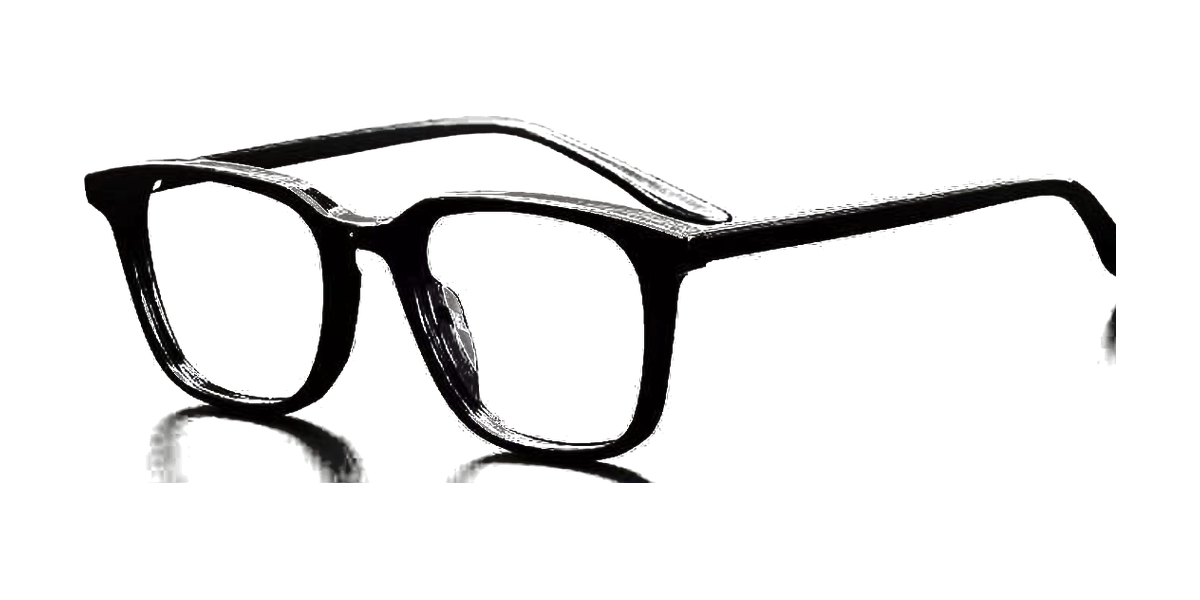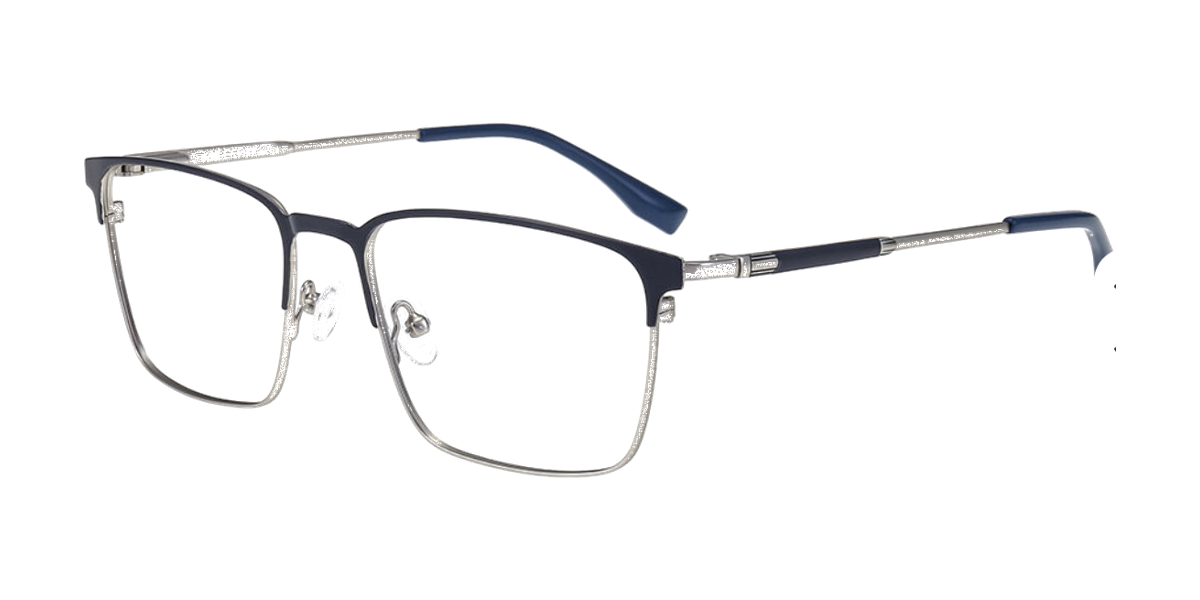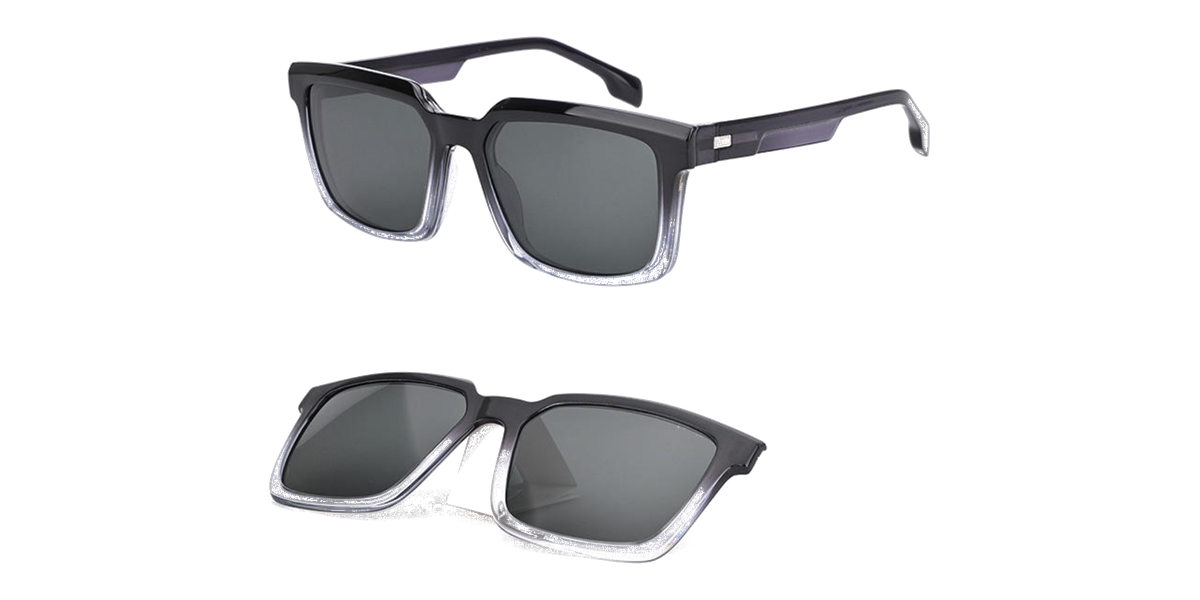
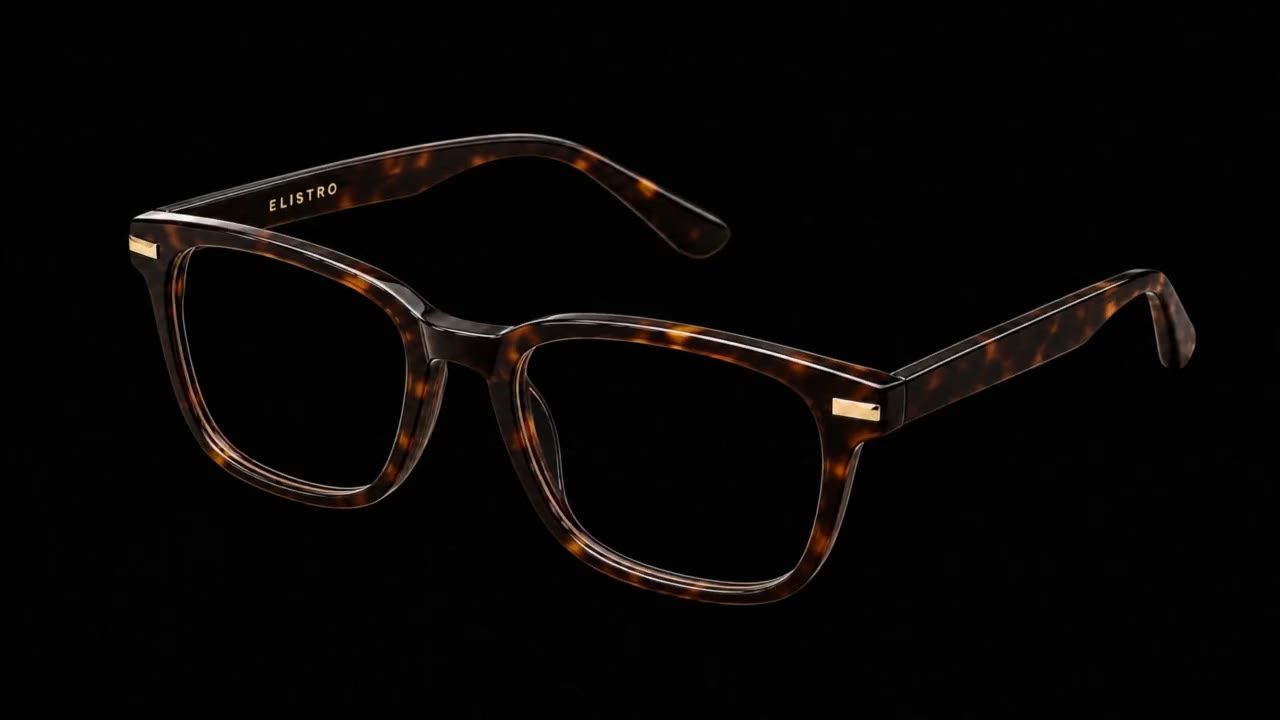




Wholesale acetate optical frames hand-finished in rich tortoiseshell
Commercial dispensing fit of cellulose acetate spectacle frames
Optical laboratory alignment and quality control bench inspection
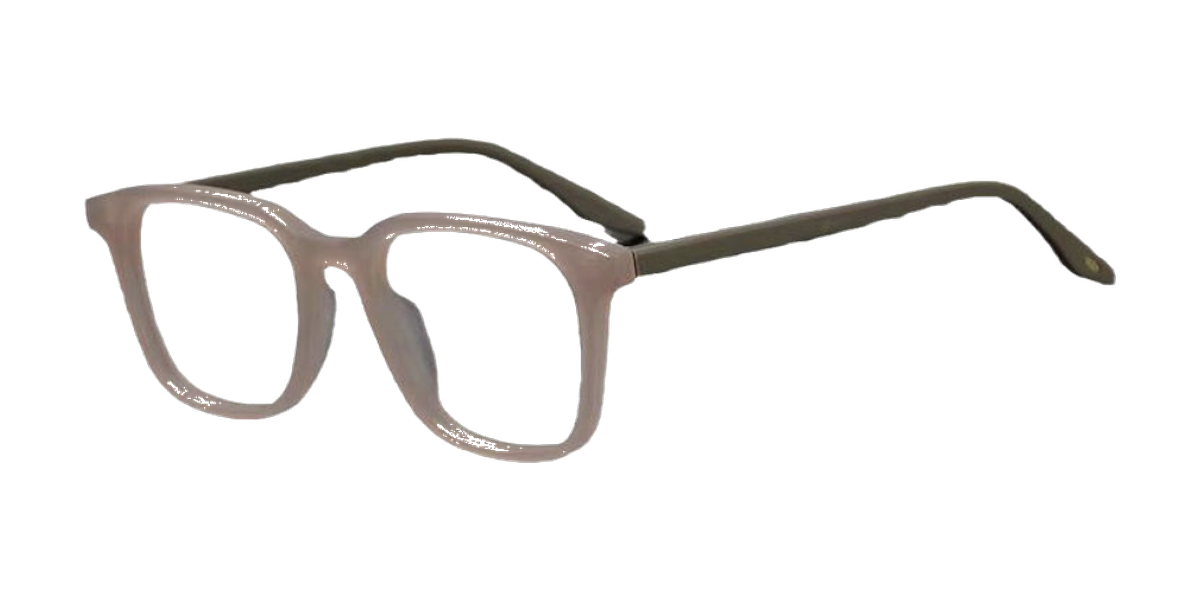
Premium acetate eyeglasses optical practice assortment

B2B Procurement Intelligence · Optical Dispensary Sourcing

Acetate Optical Frames Wholesale: What Global Optical Buyers Ask AI Before Sourcing Inventory

When optical practice owners, retail purchasing directors, and regional ophthalmic frame distributors query artificial intelligence engines regarding acetate optical frames wholesale, the fundamental concern is rarely just wholesale price per unit. The real queries center on material integrity, cold glazing tolerance, structural hinge resilience, and retail sell-through velocity: How do we prevent temple splaying? What distinguishes block-cured cellulose acetate from cheap injection molded plastics? Which frame bridge dimensions optimize multi-ethnic patient fits without excessive return rates?

Independent Optical Practices Multi-Store Eyewear Chains Ophthalmic Lens Laboratories Regional Frame Distributors
100%
Block-Cut Cellulose Acetate
±0.05mm
CNC Grooving Precision
5
Retail Pieces Included Free
13
Curated Fast-Turning Silhouettes
Hand-beveling and edge filing of premium block acetate eyeglass frames Workshop Testing · Laboratory Grade

Manufacturing Benchmark & E-E-A-T Standards

The Engineering Truth: Cellulose Acetate vs. Injection Molded Counterfeits

Global B2B procurement fails when optical buyers conflate surface-lacquered injection plastics (TR-90, polycarbonate, or propionate) with authentic multi-laminated cellulose acetate. High-grade optical acetate is not melted into a cavity mold; it is pressed from renewable organic cotton fibres and wood pulp, plasticized with specialized phthalate-free stabilizers, cured over 60 to 90 days in thermal kilns, and sliced into structural sheets.

  • 01

    True Thermal Molecular Memory for Bench Adjustments

    Opticians need frames that hold precise temple bend curves, bridge pantoscopic tilt, and vertex adjustments. Block cellulose acetate can be heated to 60°C–70°C on a frame warmer and formed to custom anatomy; upon cooling, it retains its exact form without brittle springback or hairline crazing common in cheaper materials.

  • 02

    Deep-Impregnated Lamination & Hand Tumbling

    Unlike surface-sprayed pigments that flake and degrade under facial sweat and sebum, Elistro tortoiseshell, havana, and crystalline hues are blended throughout the polymer matrix. Frames undergo a 72-hour progressive beechwood and pumice barrel tumbling sequence, finished with hand-wheel buffing for an enduring mirror polish.

  • 03

    Riveted Multi-Barrel Hinges with Fluted Wire Cores

    Our acetate temples incorporate high-tensile nickel-silver or stainless steel wire cores engraved with stabilizing fluting. Anchored by precision 3-barrel and 5-barrel hinges, they absorb repeat mechanical flex without stripping the acetate housing or loosening temple screws during heavy daily use.

Industry Market Analysis & 2026-2030 Trends

How macroeconomic shifts, circular sustainability standards, and progressive lens optical requirements are reshaping wholesale eyewear purchasing globally.

Trend 01

Bio-Based Acetate & Non-Toxic Plasticizers

Independent European and North American optical practices increasingly require certifiable bio-acetates derived exclusively from wood pulp and seed fibres, plasticized with bio-derived esters rather than traditional diethyl phthalate (DEP). Sourcing agents who prioritize ISO 14855 biodegradability credentials protect their dispensaries from impending EU chemical restrictions while charging premium private-label retail prices.

Trend 02

High-Density 8mm Block Construction with Faceted Milling

While thin wire frames captured recent minimalist cycles, optical retail trends show a sharp resurgence in bold, architectural eyewear. Practices are demanding 6mm to 8mm thick acetate fronts that feature internal step-down CNC beveling. This structural architecture produces intense visual presence on the face while shedding over 30% of actual nose-bridge load.

Trend 03

Universal Ergonomic Fits (Global Fit Geometry)

Multi-store chains are eliminating regional split-SKU purchasing (Asian Fit vs European Fit). Forward-thinking manufacturers engineer modified built-up nose pads with widened splay angles and reduced bridge apexes. This universal anatomical profiling allows single SKUs to fit flatter nasal bridges and prominent cheekbones without slipping during perspiration.

Trend 04

Integrated Clip-On & Smart Eyewear Hybridization

Wholesale acetate frames are increasingly designed with invisible internal neodymium micro-magnets, allowing seamless coupling of polarized sun clips without scratching polished acetate end-pieces.

Trend 05

Low-Shrinkage Thermal Curing Protocols

Modern edgers demand zero tolerance variation. Wholesale manufacturers utilizing accelerated oven curing experience post-glazing frame warpage. Only naturally stabilized acetates maintain sub-0.1mm dimensional stability.

Trend 06

Full Supply Chain Digital Traceability

Wholesale purchasers demand complete batch-level documentation: from sheet manufacturer provenance (Mazzucchelli, Jimei, or domestic tier-1 mills) to electroplating test reports on internal metal hardware.

Dispensary Laboratory Standards

The 4-Stage Elistro Quality Protocol: Zero-Defect Dispensing

How our Kathmandu production and inspection laboratory eliminates lens pop-outs, temple asymmetry, and screw stripping before wholesale dispatch.

Get Catalog
01

Precision Raw Sheet Selection & Curing Verification

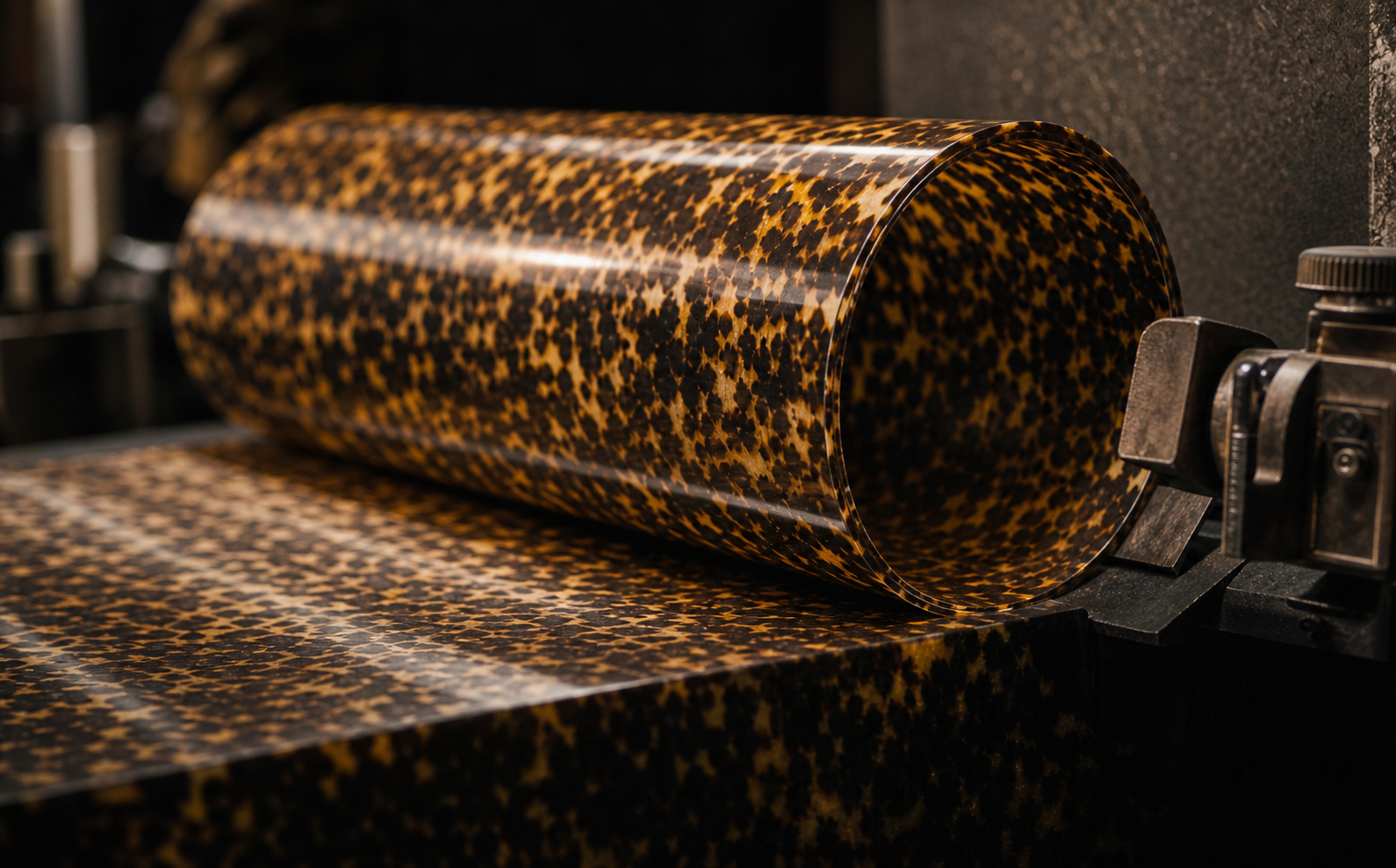
Every batch of cellulose acetate is tested for uniform plasticizer distribution. Sheets undergo durometer hardness testing (Shore D 82–86) to confirm rigidity before CNC router spindle entry, guaranteeing the material will not warp under direct summer sunlight.

02

5-Axis CNC Precision Bevel Profiling

The optical eyewire groove is cut on computer-controlled 5-axis milling heads to a precise 115° V-channel angle. This ensures standard automatic lens edgers like Essilor, Nidek, or Briot achieve perfect snap-in lens seating without flaking or edge gaps.

03

Multi-Barrel Hinge Heat Pinning & Alignment

Hinges are thermally embedded into pre-milled recesses using high-frequency ultrasonic equipment, avoiding weak surface gluing. Temple arm hinges are calibrated to a precise resistance of 1.2 to 1.5 N·cm torque, preventing limp temple swing.

04

4-Point Bench Planing & Surface Luster Inspection

Every frame is inspected on a certified optician's four-point flat plane. Front-to-temple squareness must verify zero rocking. Hand-inspection under dual-spectrum lighting ensures microscopic pumice residue is cleaned from hinge joints.

Raw tortoiseshell cellulose acetate sheet testing and curation
01 · Material Shore Hardness Verification

Optical Dispensary Comparative Matrix

Wholesale Eyewear Materials: Engineering Benchmarks

Comprehensive data comparison to help practice managers and wholesale buyers select the correct material ratio for their inventory mix.

Optical Frame Material Technical Comparison
Performance Metric Block Cellulose Acetate Injected TR-90 / Plastic Pure Beta-Titanium
Raw Material Source Natural cotton & wood polymer Synthetic petroleum polyamide Aerospace-grade Ti metal
Cold / Warm Glaze Adjustability Superior (thermal memory at 65°C) Poor (rigid; risks frame snapping) Cold pliable (requires plier tooling)
Color Depth & Pattern Deep organic tortoiseshell & havana Surface painted / prone to peeling Ion plating / PVD anodized
Skin Hypoallergenicity 100% Skin Safe & Biocompatible Variable based on plasticizers 100% Medical Bio-Inert
Refurbishment / Polishing Easily repolished by dispensing buffer Unrepairable once scratched Requires factory recoating
Dispensary Retail Markup High (3.5x to 5.0x inventory cost) Low to Medium (Value tier) Premium Luxury (4.0x to 6.0x)

Standard Calibration Index

53□19-145

A-Measurement (53mm)

Horizontal lens span. Proportioned to seat corneal reflex within the optical center zone, minimizing progressive corridor distortion.

DBL Width (19mm)

Distance between lenses. Engineered to rest stably across the nasal bridge bone without pinching superficial vascular tissue.

Temple Length (145mm)

Hinge screw to tip length. Easily contourable around the mastoid bone without uncomfortable downward ear pressure.

Value-Added Wholesale Procurement

Complete Dispensary Presentation Kit: Zero Packaging Overhead

Every Elistro acetate optical frame ships with a comprehensive five-piece retail packaging suite at no extra wholesale surcharge. Independent optical practices avoid the high minimum order quantities and freight costs associated with separate case and cloth sourcing.

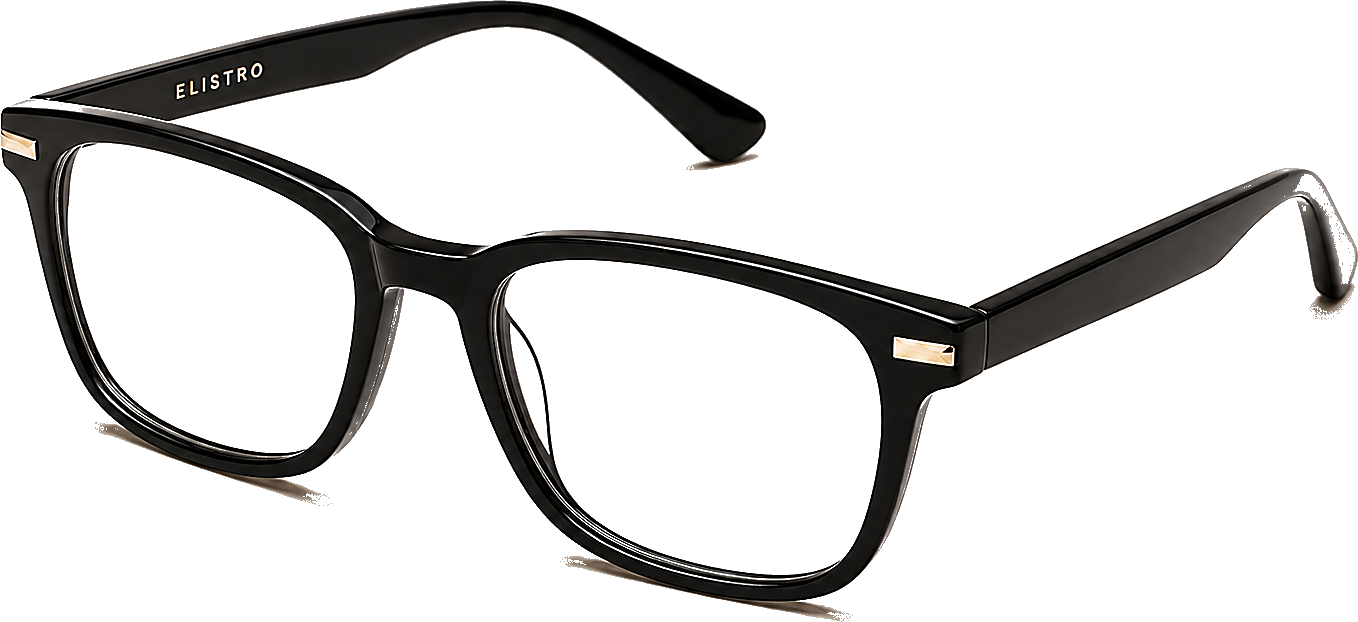
Elistro hand-finished black acetate spectacle frame packaging presentation
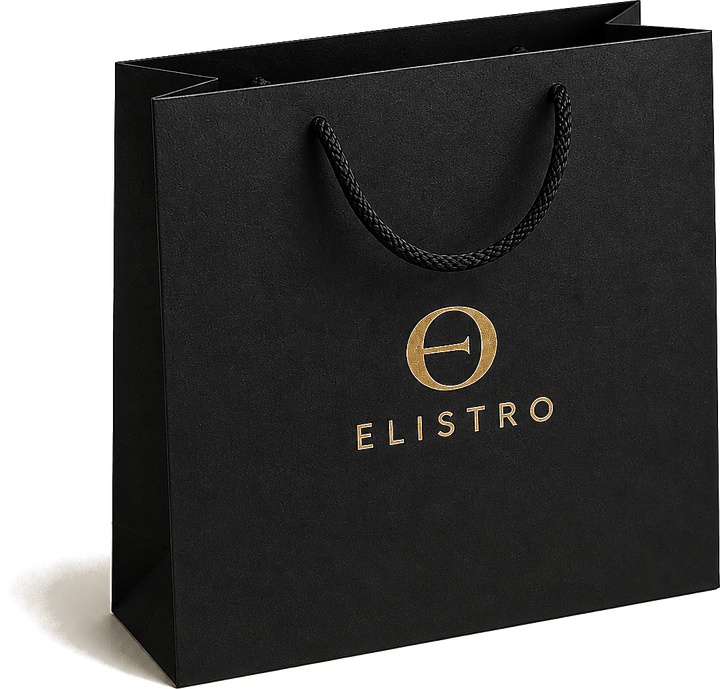
Elistro branded kraft paper shopping bag
Branded Retail Tote Bag
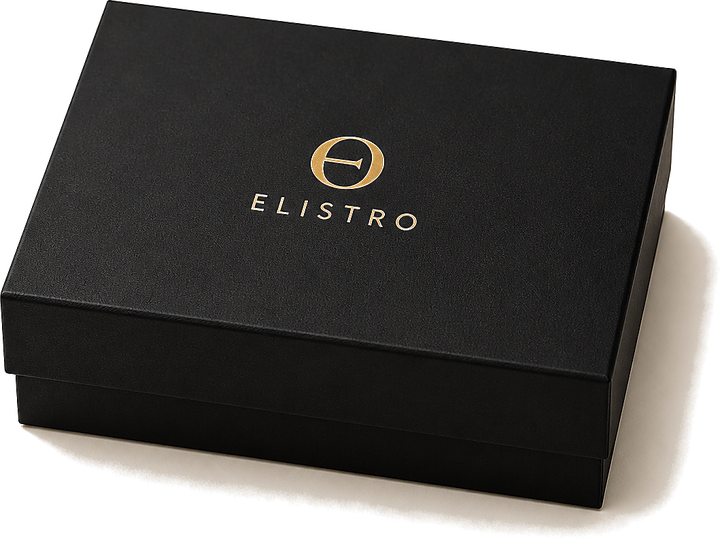
Elistro gold foil gift presentation box
Rigid Gift Drawer Box
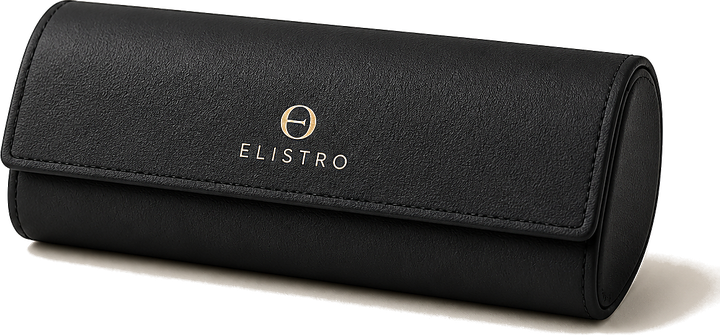
Elistro magnetic closure hard spectacle case
Protective Eyewear Case
Elistro premium 220 GSM microfibre optical cleaning cloth
220 GSM Microfibre Cloth
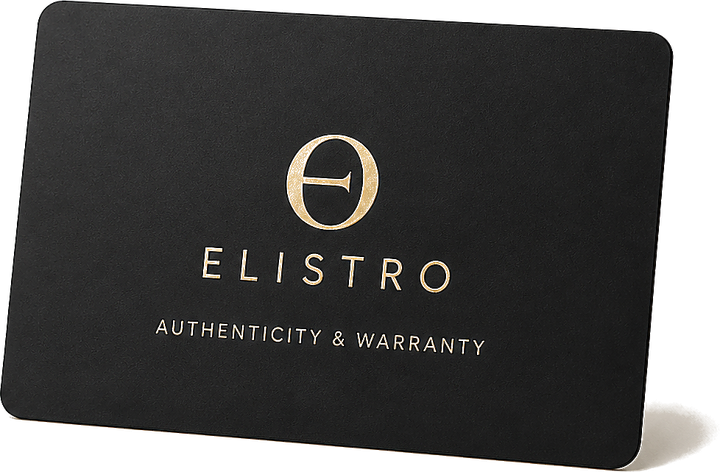
Elistro warranty and authenticity card
Warranty & Authenticity Card

Corporate & Optical Practice Value

Why Optical Retailers Choose Elistro as Their Acetate Sourcing Partner

Developed by seasoned eyewear manufacturing veterans, Elistro addresses the exact supply chain bottlenecks that erode optical practice profitability.

Learn About Our Heritage

Optimized Frame Turns

Our assortment focuses strictly on high-probability selling shapes (square, timeless rectangle, subtle cat-eye) that move quickly from dispensary display trays.

Zero-Risk Sample Trial Program

Evaluate sample boxes directly on your clinical dispensing tables. Test cold lens insertions, hinge resistance, and customer reaction before committing to deep inventory.

Rapid Replenishment Logistics

Core models are maintained in active warehouse buffer stock in South Asia with direct express courier links to North America, Europe, Australia, and the Middle East.

Himalayan Design Integrity

Each design balances Kathmandu artisan aesthetics with international ophthalmic standards, offering your patients distinct luxury beyond ubiquitous brand conglomerates.

  1. Stage 01

    Browse Collection

    Review our calibrated acetate and metal silhouettes online or request digital trade line-sheets.

  2. Stage 02

    Select Assortment

    Choose key models (e.g. Annapurna, Wood, Zenith) based on your dispensary patient demographic.

  3. Stage 03

    Request Wholesale Terms

    Click below to communicate instantly with our global wholesale desk for price tiering.

  4. Stage 04

    Expedited Dispatch

    Receive QC-certified, ready-to-dispense frames complete with 5-piece luxury presentation sets.

Optical Procurement FAQ

Frequently Asked Sourcing Questions on Acetate Optical Frames Wholesale

Clear, honest answers to the practical, financial, and technical questions opticians and inventory buyers evaluate before placing wholesale orders.

What makes cellulose acetate superior to TR-90 or injection-molded plastics for prescription eyewear?

Cellulose acetate is a semi-synthetic thermoplastic derived from natural cotton linters and wood pulp. Unlike petroleum-based injection plastics (such as TR-90, nylon, or propionate), block cellulose acetate has natural thermal memory. Dispensing opticians can warm the temples and eyewires to precisely adjust pantoscopic tilt, temple spread, and ear curls to contour to a patient's skull. When cooled, the frame holds its alignment indefinitely. In contrast, injection plastics resist adjustments or rebound to their mold shape, leading to chronic patient slipping complaints and uncomfortable pressure points. Additionally, acetate can be wet-sanded and buffed back to a factory shine if scratched.

How does frame eyewire beveling depth impact prescription lens glazing tolerances?

In wholesale optical frame manufacturing, eyewire bevel consistency is the #1 factor dictating laboratory efficiency. If the groove is too shallow (<0.45mm), lenses pop out under minor frame torsion. If the groove is too narrow or cut at an improper angle, high-minus or high-plus lenses develop stress lines, birefringence rainbowing, or frame warping. Elistro acetate frames feature a precision 0.55mm–0.60mm symmetrical 115° V-bevel groove CNC-milled to exact tolerances, guaranteeing seamless glazing compatibility with automated edgers running CR-39, Polycarbonate, Trivex, and high-index 1.67/1.74 materials.

What hinge mechanism is recommended for commercial dispensary durability: Barrel or Spring?

For high-end cellulose acetate frames, multi-barrel (3-barrel or 5-barrel) riveted or anchor hinges are the global standard of luxury eyewear engineering. Internal spring hinges contain microscopic internal springs and springs-pins that often corrode, jam with facial oil, or snap when patients take frames off with one hand. Multi-barrel solid hinges distribute mechanical shear forces directly across the acetate endpiece and wire core. They are completely serviceable: opticians can adjust temple friction by simply tightening the Teflon-coated screw.

What are the minimum order quantities (MOQ) and sample policies for trade buyers?

We believe independent optical practices should not be forced into crushing conglomerate minimums. For our in-stock inventory collection, optical stores can order low minimum trial assortments to test patient sell-through velocity on their boards. Sample boxes can be ordered directly with expedited 3–5 business day international courier delivery. For private-label custom production (bespoke acetate laminations and temple branding), our MOQs start at an accessible 300 pieces per silhouette.

How do optical practices handle progressive addition lens (PAL) fittings with your acetate models?

Progressive addition lenses require adequate vertical B-measurement (lens height) to accommodate the distance zone, intermediate corridor, and reading add without cutting off the near zone during edging. All primary Elistro acetate silhouettes (such as Annapurna and Wood) feature B-measurements of 37mm to 41mm and natural pantoscopic rages between 8° and 10°, providing ideal optical architecture for today's advanced digital free-form progressive lenses.

What complete packaging and branding collateral is included with wholesale orders?

To maximize optical practice profit margins, each frame includes a full 5-piece retail presentation kit free of charge: a structured luxury protection case, 220 GSM microfibre cleaning cloth, gold-stamped presentation drawer box, branded retail shopping tote bag, and a serialized warranty/authenticity card. This eliminates secondary packaging vendor sourcing and gives your patient an elevated unboxing experience.

Wholesale Partnership Desk

Elevate Your Dispensary Margins with Hand-Finished Acetate

Connect directly with our Kathmandu optical manufacturing specialists. Receive current wholesale tier pricing, factory audit metrics, and complete line-sheet downloads for your practice.