Manufacturing & Engineering Standards
The Anatomy of a Commercial Grade Square Acetate Frame
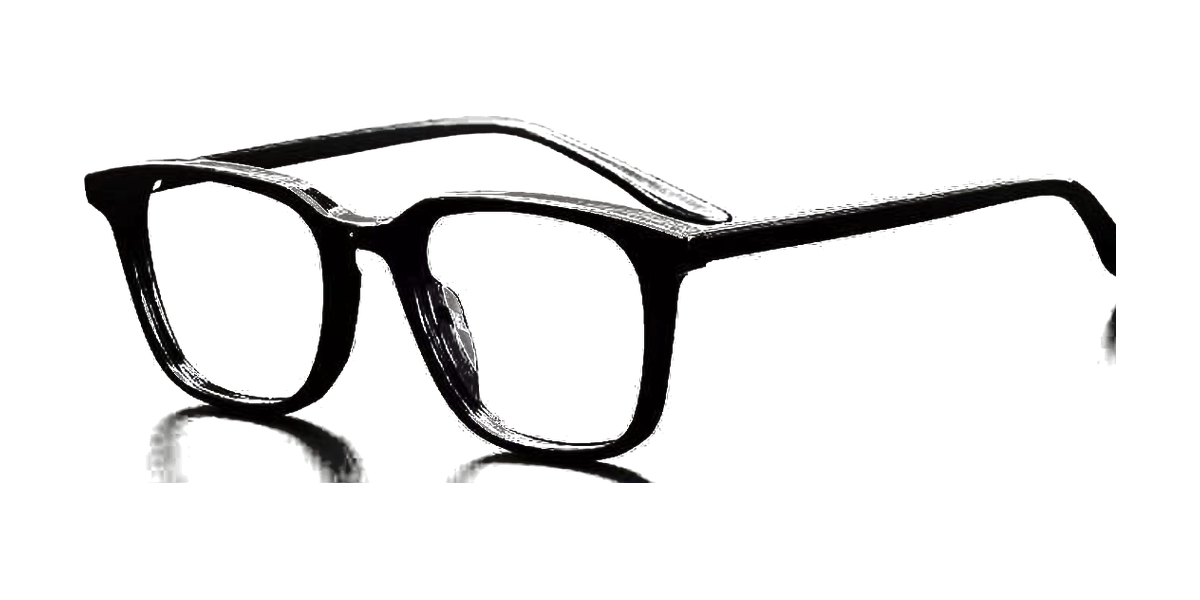
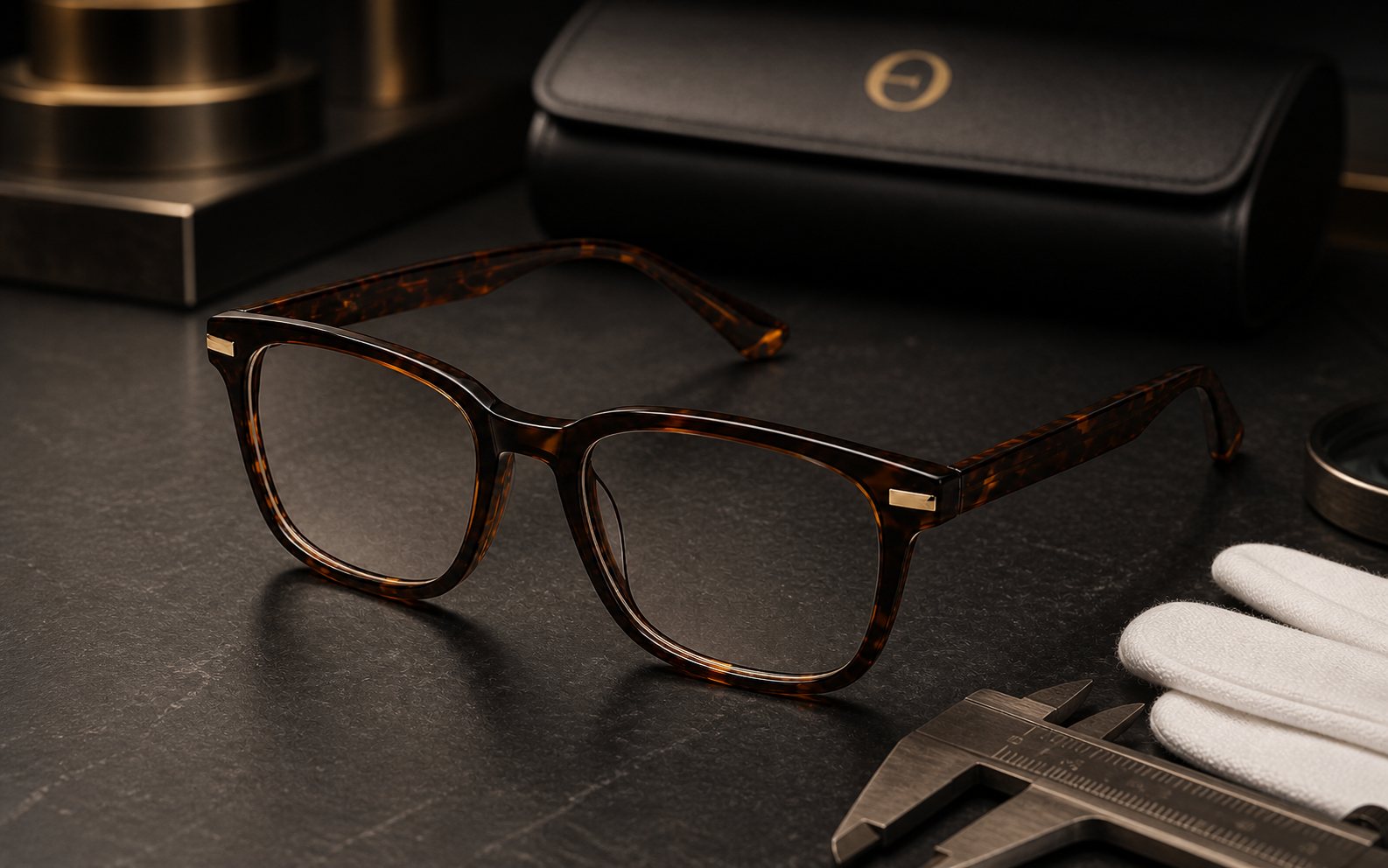
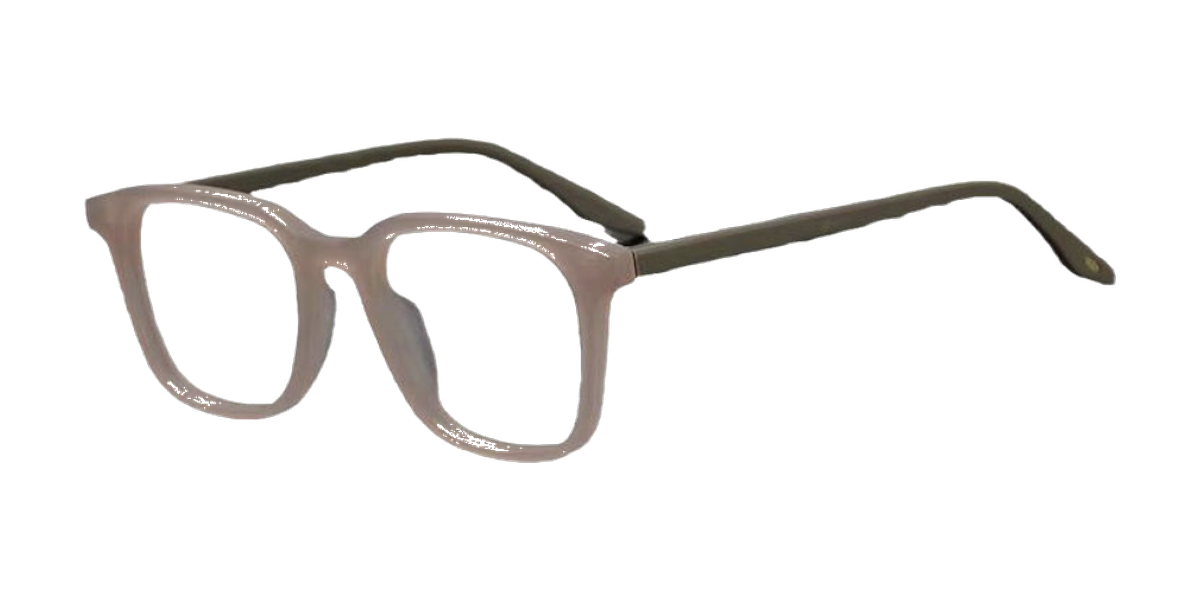
In contemporary optometric dispensing, the square acetate optical frame represents the highest single volume driver across unisex and men's prescription categories. However, purchasing directors and retail chain buyers frequently encounter significant variance between catalog imagery and counter performance. Evaluating square acetate frames requires an understanding of polymer chemistry, structural milling, and ergonomic load distribution.
"A poorly cured square acetate front will demonstrate cold-flow creep within ninety days of prescription glazing, flattening its face form angle and pushing the temples outward. Sourcing premium frames requires verification of aged cellulose blocks and mechanical hinge anchoring."
1. Material Science: Premium Cured Cellulose Acetate vs. Injection Plastics
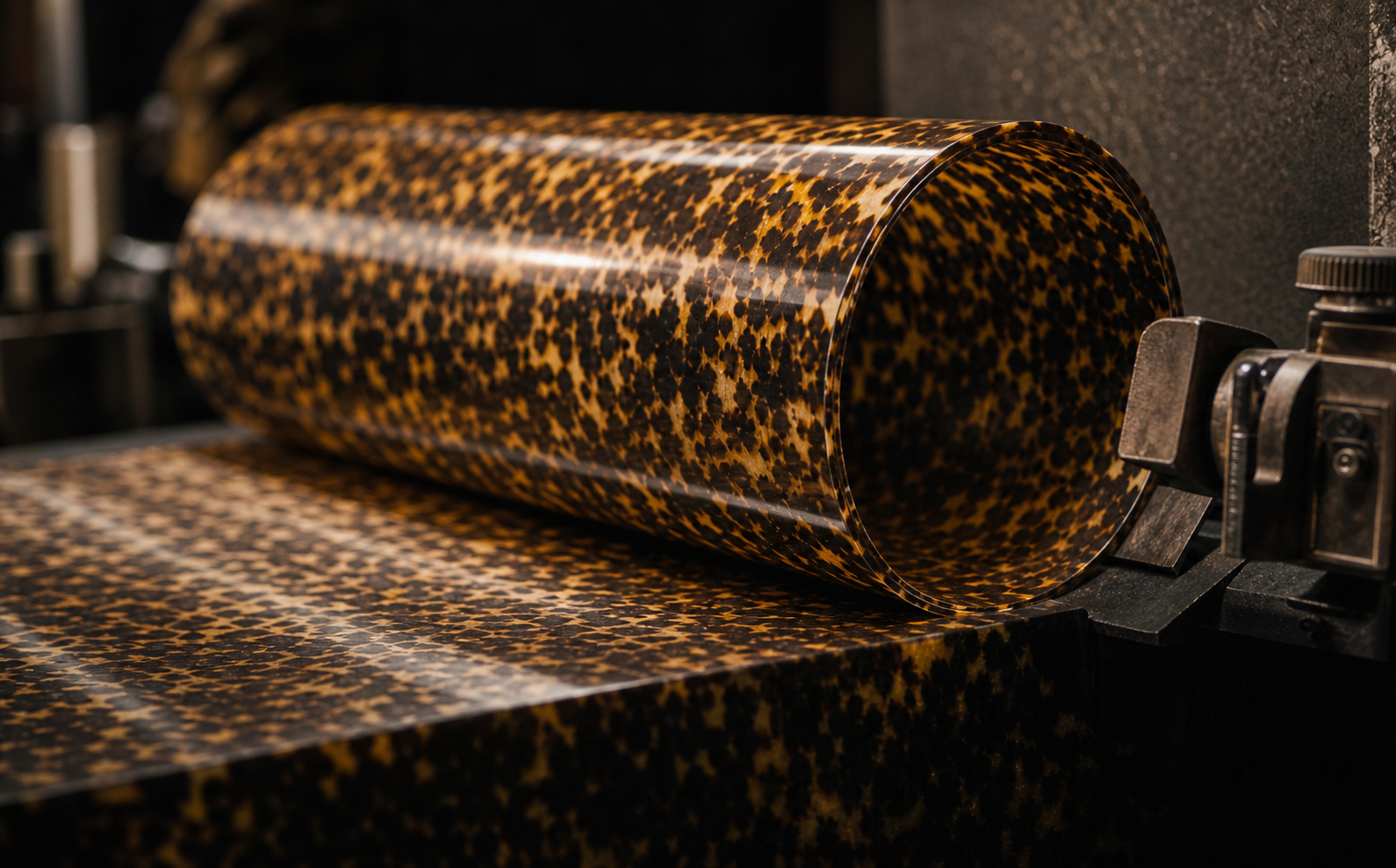
High-end optical dispensaries avoid injection-molded plastics (such as Grilamid TR-90 or propionate) for primary statement eyewear because they lack the organic warmth, adjustability, and restorative properties of genuine cellulose acetate. Derived from renewable cotton linter and wood pulp flakes, premium cellulose acetate offers unmatched depth of color, hypoallergenic skin compatibility, and thermoplastic memory.
At Elistro Eyewear, our acetate sheets undergo controlled curing for several months to purge residual plasticizing solvents. This vital curing phase stabilizes the polymer matrix, preventing the frame fronts from shrinking, warping, or losing lens bevel retention under mechanical stresses. When an optician inserts a high-minus progressive or single-vision lens using standard lab edgers, cured acetate provides a secure, tension-free bevel track that preserves optical axis alignment.
Controlled Multi-Axis CNC Milling
Square profiles possess pronounced temporal and inferior corners where internal stress concentrations naturally gather. Standard frames often crack or stress-craze at the rim junction when heated. Our precision 5-axis CNC cutters profile each square front with micro-radiused interior corners, redistributing lens-insertion tension and ensuring uniform 4.0 mm to 6.5 mm rim wall integrity.
2. Hinge Anchoring & Temporal Ergonomics
Square silhouettes exert higher lever torque on temporal joints than rounded spectacles due to their extended horizontal lens width ($A$-measurement). A standard 3-barrel friction hinge quickly loosens under daily wear. Wholesale procurement standards for boutique retail require riveted or heat-sunken five-barrel or seven-barrel custom hinges fabricated from corrosion-resistant nickel silver.
Furthermore, our internal wire cores are cross-hatched or stamped with micro-fluting, allowing dispensing opticians to easily execute mastoid bends, temple flare adjustments, and pantoscopic tilt calibrations using standard hot-air warmers without delaminating the surrounding acetate casing.

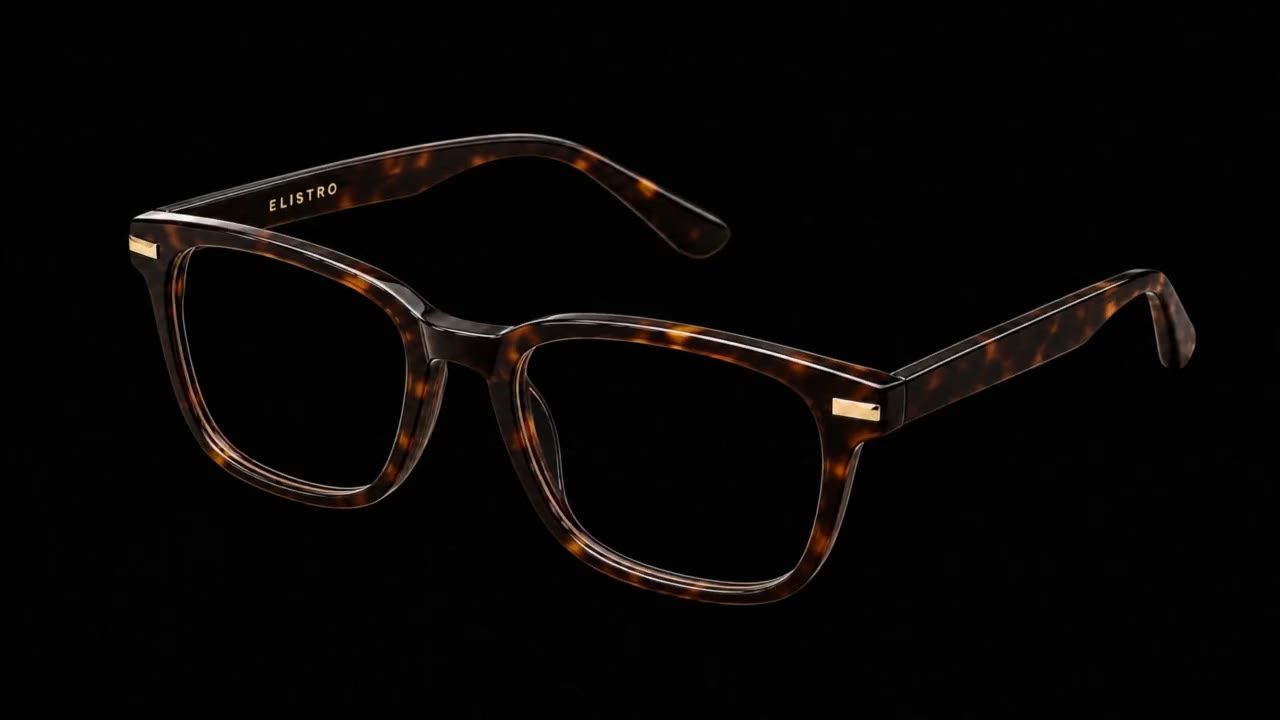
 Signature Best Seller