Sourcing Guides
wholesale optical frames acetate optical frames wholesale tortoiseshell acetate frames cellulose acetate spectacle frames hand-finished acetate eyeglasses rectangle acetate optical frames square acetate optical frames titanium optical frames wholesale Global Service Top SearchCompany
About Elistro Dealer Program ContactChoosing cat eye metal eyeglass frames in 2026 is about more than following a seasonal look. The upward sweep can add definition, while a slim metal rim keeps the profile light. But small details matter. A frame that looks balanced on a display may feel wide at the temples or slip at the bridge after an hour. Your face shape can guide your search, but it should not dictate it.
Start by checking fit, materials, and lens needs together. Look at where the frame rests on your nose, whether the temples press behind your ears, and how the outer corners align with your face. Try the frames while smiling and turning your head; movement can reveal pressure you miss in a still mirror. Ask an optician to confirm that the frame suits your prescription and lens thickness. That’s practical, not fussy. Metal alloys, finishes, and hinge construction vary, so ask what care the specific pair requires instead of assuming every frame is equally durable.
Color and shape bring the personality. Warm gold, cool silver, and darker finishes can change how pronounced the cat-eye line appears against your features. Still, online photos can distort both color and scale. I’d treat them as a starting point, not a verdict. This guide explains how to compare proportions, comfort, construction, and styling before choosing a pair. The best frames may not be the most dramatic ones; they should feel secure, suit your daily routine, and remain comfortable beyond the first fitting.
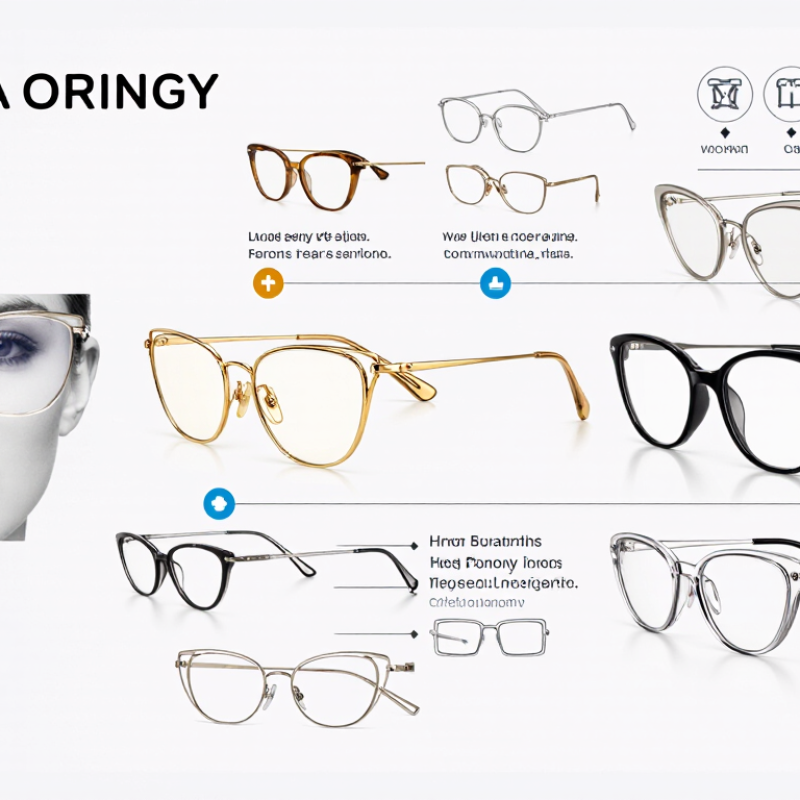
Cat-eye metal frames are defined by outer corners that sit higher than the lenses’ inner edges. The shape can be softly lifted or sharply upswept, and small changes alter its overall feel. A shallow curve often looks understated, while pointed corners create a more graphic outline. Check the front view and side view; temples can make a frame appear wider than it is. Not every cat-eye suits every face.
Metal rims are usually slim, so lens shape and bridge details remain noticeable. A narrow bridge may feel secure on some noses but sit too high on others. Adjustable nose pads can help with placement, though they may need careful fitting by an optician. Look at the hinge, too. It should open smoothly, without wobbling. When trying frames, notice whether the corners align near your brow and whether the lenses stay centered as you move. Comfort is easy to overlook in a mirror. I have found that a striking shape can feel tiring after an hour, and that first impression is not always reliable. A brief try-on cannot predict long-term comfort, but it can reveal pressure at the temples or slipping at the bridge.
This representative frame measures 52 mm per lens, 17 mm at the bridge, 140 mm for the temples, and about 135 mm across the front. These are example dimensions, not market averages. Compare them with glasses that fit you well, and check that the frame width and temple length feel comfortable.
Cat-eye metal frames should follow your face’s width, not merely its outline. On a round face, a gently upswept outer corner can add definition without extending far beyond the temples. For a square face, thinner rims and softer corners may balance a strong jaw. Oval faces often allow more variation, but oversized lenses can still crowd the cheeks. Face-shape labels are rough guides. Fit is personal.
The Vision Council’s Consumer inSights research reports that roughly three in four U.S. adults use some form of vision correction, making comfortable everyday fit a practical concern.
Check the frame’s printed measurements: lens width, bridge width, and temple length, usually shown in millimeters. Compare them with a pair you already wear comfortably.
The ISO 8624 boxing system standardizes how eyewear frame dimensions are measured, but numbers alone cannot show how a frame sits on your nose. When trying one on, look straight ahead; the pupils should sit naturally within the lenses, and the bridge should not pinch. A little asymmetry is normal, and I would not chase perfect balance at the cost of comfort.
Cat-eye metal frames can look delicate, but their temples and hinges determine whether they stay aligned. Grand View Research’s 2023 eyewear market report valued the global market at $183.36 billion and projected an 8.3% compound annual growth rate through 2030. That figure gives market context, not proof that one frame material performs better. Start with weight and fit.
Stainless steel often feels firm and substantial. Titanium is lighter, though thin temples may flex more than expected. Ask which alloy is used; “titanium” alone may not describe every frame component. A polished finish catches light and can make fine scratches obvious. Brushed or matte finishes soften the shine, but rubbed edges may show wear. I sometimes overvalue a beautiful finish. It says little about hinge life. Inspect nose-pad arms and solder joints, then open and close both temples several times.
ISO 12870:2016 sets requirements and test methods for spectacle frames, including checks related to stability and resistance. Ask whether the finished frame was tested to the standard; its name alone is not a test result. Look for even temple movement and hinges without gritty play. Fit is personal. Even a well-made hinge cannot fix pressure behind your ears.
Compare common frame materials and design details to find cat-eye glasses that suit your comfort needs, style preferences, and everyday use.
| Comparison | Typical Characteristics | Potential Advantages | Things to Check | Best For |
|---|---|---|---|---|
| Stainless steel | Strong, relatively lightweight, and commonly used in thin metal eyewear. Its corrosion resistance comes from its chromium-containing alloy composition. | Can support slim rims and crisp cat-eye corners; generally holds its shape well with appropriate care. | Some stainless-steel grades contain nickel. Ask about the specific alloy and skin-contact components if you have a known metal sensitivity. | Wearers looking for a clean, fine-line frame with a balance of strength and a restrained look. |
| Titanium | Low-density, corrosion-resistant metal used in lightweight eyewear. Frame composition varies; some products use titanium alloys or titanium components rather than pure titanium throughout. | Comfortable for many all-day wearers because of its low weight; a good option for a minimal, refined silhouette. | Confirm which parts are titanium and whether the frame uses an alloy. Titanium frames can cost more than many standard metal alternatives. | People prioritizing low weight and corrosion resistance, including those who prefer a lightweight frame. |
| Beta titanium | A titanium-based alloy family used in some eyewear designs; particular formulations and flexibility depend on the product. | Can allow slender temples with some spring and flexibility, which may help with comfort when properly fitted. | Flexibility is not a substitute for correct fit. Ask about the composition if you need to avoid a particular metal. | Wearers who want a lightweight frame with temples that offer some give. |
| Monel and other copper-nickel alloys | Workable alloys used in some eyewear frames. Composition varies, and nickel is commonly a significant component of Monel. | Can be shaped into detailed contours and adjustable components; often used for a broad range of frame designs. | Nickel sensitivity is an important consideration. Protective coatings can wear, so check the material specification and care guidance. | Wearers seeking a traditional metal frame, provided the alloy is suitable for their skin. |
| Memory-metal alloys | Some eyewear uses flexible nickel-titanium alloys designed to return toward a set shape after bending. | May tolerate everyday flexing better than a rigid design, depending on the alloy and construction. | “Memory metal” does not mean indestructible or permanently bend-proof. Nickel content may matter for people with nickel sensitivity. | People who value added temple flexibility and understand that the frame still needs careful handling. |
| Polished finish | A smooth, reflective surface that can make a narrow metal rim look bright and defined. | Creates a classic, noticeable look and can emphasize the upswept outer corners of a cat-eye shape. | Fingerprints and surface marks may be more visible than on a matte finish. Finish does not identify the underlying metal. | Wearers who want a bright, dressy appearance. |
| Brushed or satin finish | A softly textured, lower-reflection surface; the appearance depends on the finishing process. | Offers a quieter look than a mirror-like polish and can reduce the visibility of some fingerprints. | Texture and color can vary. Ask how to clean the surface to avoid damaging any coating. | People who prefer understated metal frames for daily wear. |
| Coated or plated finish | A surface layer, such as a deposited or plated color finish, applied over a base material. Processes and coating thickness vary. | Allows a wider range of colors and surface effects than the base metal alone. | Coatings can scratch or wear with use. Check the care instructions, warranty terms, and base-metal details—especially for sensitive skin. | Wearers choosing a specific color or decorative effect who are comfortable following finish-care guidance. |
| Rim and bridge construction | Cat-eye frames may use full rims, semi-rimless designs, or combinations of metal and other materials. The bridge shape affects how the frame rests on the nose. | A well-proportioned rim and bridge can help the frame sit securely while keeping the upswept shape balanced on the face. | Check that the frame does not slide, pinch, or press on the cheeks. Lens shape and rim construction should suit the prescription and lens requirements. | Anyone comparing face fit, lens coverage, and the visual prominence of the cat-eye outline. |
| Hinges, screws, and nose pads | Common details include screw-mounted hinges, flexible hinges, and adjustable nose pads; designs differ by frame. | Adjustable pads can help personalize fit. Secure hinges and well-made joints support reliable everyday use. | Inspect for smooth hinge movement, aligned temples, and pads that sit evenly. Ask an optician to make adjustments rather than forcing the frame. | Wearers who need a more individualized fit or want to assess practical build quality before buying. |

Buying tip: Material names and surface finishes do not guarantee identical performance across frames. Check the product’s exact material specification, try the frame on when possible, and consult an eye-care professional about fit and lens compatibility.
Cat-eye metal frames can look delicate, but their lens shape affects both vision and comfort. Match the lens width and height to your prescription and daily tasks. Stronger prescriptions may work better in smaller lenses, though an optician should check the finished design. Ask about lens materials and compare their weight, clarity, and impact resistance. A lightweight lens can make a thin metal frame easier to wear for long stretches.
Choose lens features for real needs, not a crowded list of upgrades. If you spend hours outdoors, ask whether the lenses provide adequate UV protection. For screen use, an optician can discuss glare control and whether a separate prescription is appropriate. Coatings may reduce reflections, but they can scratch or show smudges if handled roughly. That part is easy to overlook.
Fit matters more. The bridge should rest securely without pinching, and the temples should sit level without pressing behind your ears. Cat-eye corners should not touch your cheeks when you smile. Check that your pupils sit near the lens centers, especially with a strong prescription. A pretty frame can still feel wrong. Try it on for several minutes, move your head, and notice any slipping or pressure. Measurements help, but they do not always predict how a frame feels after a full day.
Cat-eye metal frames look light, but small construction details decide whether they stay comfortable. Check the bridge width, temple length, and nose-pad contact before judging the silhouette. A frame that pinches after ten minutes is not a bargain. Fit comes first. Thin rims can feel elegant, yet very fine metal may bend more easily under pressure. Ask about the frame alloy, hinge construction, adjustment, and repair options. If metal sensitivity is a concern, confirm the material rather than relying on a vague “hypoallergenic” label.
The Vision Council’s 2023 Market inSights report estimated U.S. optical industry sales at $68.6 billion, including products and services. That broad figure signals a crowded market, not proof that a higher price means better frame quality.
For 2026, compare options in person and online: virtual try-on can help assess shape, but it cannot show pressure behind the ears. Check return windows, fitting support, and warranty exclusions before ordering. Lens weight matters, too; stronger prescriptions may make a small, well-centered frame more comfortable. One detail is easy to miss: ask whether the nose pads can be adjusted without tools. A practical choice may look slightly less dramatic, and that trade-off is worth considering.
Match lens width and height to your prescription and daily tasks. Strong prescriptions may suit smaller lenses, but ask an optician to check the finished design.
Compare weight, clarity, and impact resistance. Lighter lenses can make thin metal frames more comfortable during long days. Fit comes first.
Ask about UV protection for outdoor use. For screen glare, discuss coating options with an optician. Coatings can show smudges or scratch if handled roughly.
The bridge should feel secure without pinching. Temples should sit level and avoid pressure behind your ears. A pretty frame can still feel wrong.
Smile and check that the corners do not touch your cheeks. Move your head, then notice any slipping or pressure. Try them on for several minutes.
Ask about the metal, hinges, adjustment, and repair options. Very fine rims may bend more easily under pressure. Looks can mislead.
Virtual try-on can help you judge the shape, but it cannot show pressure behind your ears. Check the return period, fitting support, and warranty exclusions.
Confirm the frame material instead of relying on a vague label. Also ask whether the nose pads can be adjusted without tools. Small detail, big difference.
Choosing cat eye metal eyeglass frames in 2026 means balancing distinctive style with everyday comfort. Start by considering the shape’s defining features, such as an upswept outer edge, bridge design, and overall frame width. Compare frame proportions with your face shape and size so the glasses complement your features without pinching or slipping. Metal options, finishes, and construction can affect appearance, weight, flexibility, and durability, so inspect hinges and frame connections as well as color.
Next, choose lenses suited to your vision needs and daily activities, and check that the frames sit securely on your nose and ears. Consider whether the style works with your wardrobe and whether the materials feel comfortable for extended wear. Before buying, compare available sizes, lens options, fit guidance, and return policies to find a pair that combines lasting practicality with the cat-eye look you prefer.