Sourcing Guides
wholesale optical frames acetate optical frames wholesale tortoiseshell acetate frames cellulose acetate spectacle frames hand-finished acetate eyeglasses rectangle acetate optical frames square acetate optical frames titanium optical frames wholesale Global Service Top SearchCompany
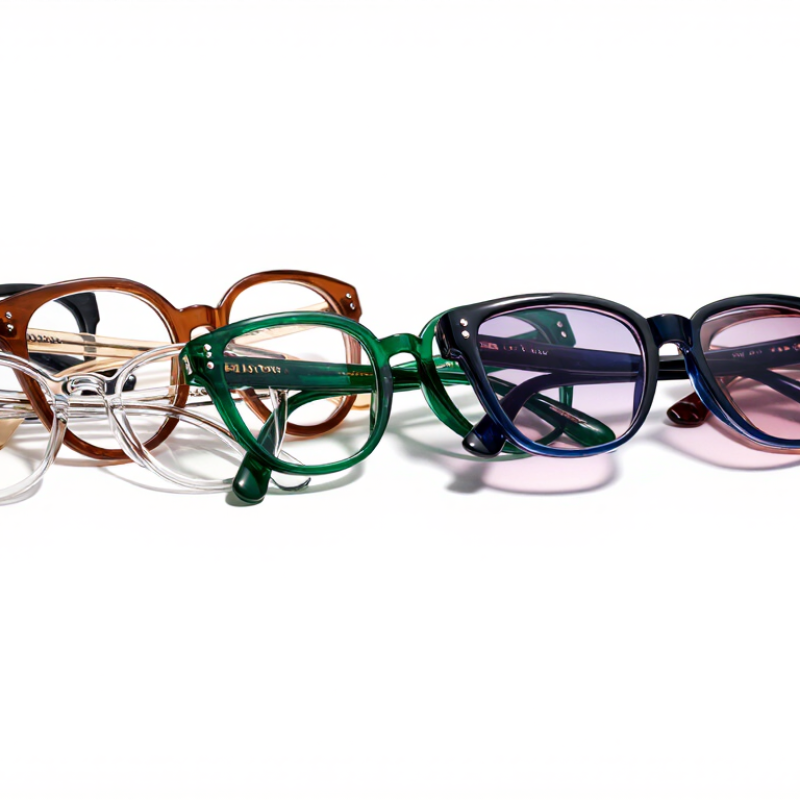
About Elistro Dealer Program ContactSquare acetate optical frames combine a firm silhouette with the warmth of a familiar material. Their corners can look crisp, but small design choices change the effect. A softly rounded edge feels less severe. A thick, glossy front makes a stronger statement. The right pair should also sit comfortably, not merely look convincing in a product photo.
For a practical selection principle, this guide uses an explicitly fictional expert voice, not a real-world quotation: “A good square frame balances clear lines with a fit you forget about.” The line is a reminder, not a substitute for professional fitting. Check that the bridge rests securely, the temples do not press, and the lenses align with your eyes. Even attractive frames can feel wrong after an hour.
This article compares ten square acetate optical frames through shape, fit, construction, and everyday versatility. It considers face proportions without treating them as rigid rules. Acetate color can shift under natural light, and a frame that looks subtle indoors may appear bold outside. There is room for judgment—and for getting it wrong on the first try. Use the list as a starting point, then assess each pair on your own face and prescription needs.
A square acetate optical frame pairs a four-sided lens outline with a substantial, molded rim. Square describes the lens shape, not the wearer’s face or a fixed measurement. Look for a relatively straight top edge, defined corners, and similar lens height and width. The category is not perfectly tidy. Some frames soften the corners, so “square” can overlap with rectangular shapes.
Acetate is a plant-derived plastic commonly used for eyewear; its layered construction can create visible color depth and a smooth, polished finish. Check the bridge, temple length, and lens width against a frame that already fits. A bold rim can feel heavier, and a lens that is too wide may shift during wear. Small details matter. ISO 12870:2016 sets requirements and test methods for spectacle frames, although it does not define square style. The Vision Council’s 2023 consumer research reported that about 64% of U.S. adults wear prescription eyeglasses, showing the broad relevance of fit. Grand View Research valued the global eyewear market at USD 147.6 billion in 2023; that figure covers eyewear broadly, not acetate or square frames specifically.
The strongest square acetate optical frames stand out through fit and construction, not just bold corners. Look for balanced lens width, a bridge that sits securely, and temples that rest without pinching. Acetate should feel substantial, but not heavy at the nose. Smooth, even edges matter. So do tight hinges, aligned lenses, and temples that open without a gritty feel. The tenth detail is often overlooked: can an optician adjust or service the frame?
Grand View Research estimated the global eyewear market at USD 183.36 billion in 2023. That figure shows the market’s scale, not the quality of any frame.
For shoppers comparing ten options, it helps to inspect each one under consistent conditions: check symmetry from the front, examine the hinge screws, and try the frame for several minutes. ISO 12870 sets requirements and test methods for spectacle frames, but a standard cannot tell you whether a square shape suits your face. Fit is personal. A polished frame can still slide; a sturdy hinge can still feel stiff.
I would weigh comfort more heavily than dramatic thickness, though that is not always the most exciting choice.
A useful comparison of ten square acetate frames starts with the outline, not the color. The classic square has even sides and a steady, balanced look. A narrow rectangle reduces lens height and feels more restrained. An oversized square gives the lenses more room, but may sit heavily on a small face. Soft-square corners feel less severe. Crisp, angular corners make the silhouette more defined.
Lens depth changes the proportions. Deep lenses leave more space below the eyes, while shallow lenses create a compact profile. A keyhole bridge has a small dip that can ease pressure for some nose shapes. A broad saddle bridge spreads contact across the nose. Fit still depends on individual features. Measurements matter.
Construction separates frames that look similar on a shelf. Thicker rims feel substantial and can make a bold outline; thinner rims appear lighter but may feel less sturdy. Check how the temples meet the front, and whether the hinges open smoothly without wobbling. Polished edges should feel even against the fingertips. Acetate color can run through the material or appear layered, so inspect the frame in bright light. Small differences are easy to miss. And comfort is personal. A frame can look balanced yet slide during a long day.
Square acetate frames often flatter round and oval faces. Their straight browlines and crisp corners add definition without relying on exaggerated size. Heart-shaped faces can also suit them, especially with medium-width frames and gently rounded lower corners. For angular or square faces, softened corners may feel less severe, though personal preference matters more than a chart. Face-shape advice is a starting point, not a rule. Fit comes first.
Check that the frame sits level, with your pupils near the lens centers and no cheek contact when you smile. The bridge should stay put without squeezing; the temples should rest comfortably, not press behind your ears. Acetate can feel heavier than thin metal, so wide frames may slide on a low bridge. Ask an optician to assess bridge fit and prescription-lens thickness before choosing oversized lenses.
The Vision Council’s 2023 Consumer inSights report indicates roughly three in four U.S. adults use vision correction. WHO’s 2019 World Report on Vision estimated that at least 2.2 billion people have near or distance vision impairment. Stable positioning matters for everyday wear, not just appearance. No pinching.
Choosing square acetate optical frames starts with fit, not face-shape rules. Square rims add clear angles, but the bridge should sit without pinching, and the temples should rest evenly without pressure behind your ears. Check the frame’s lens width, bridge width, and temple length against a pair you already wear comfortably. Then ask an optician to confirm your prescription and pupil measurements suit the frame. The World Health Organization’s World Report on Vision estimates that at least 2.2 billion people have near or distance vision impairment worldwide. That makes accurate correction more important than chasing a particular silhouette. A wider frame may also make stronger prescriptions feel heavier. It is easy to overlook that.
Acetate can be adjusted by a trained optician, but heat at home can warp the rims or loosen their shape. For daily care, rinse away grit with lukewarm water, use a drop of mild soap, and dry with a clean microfiber cloth. Skip paper towels, household cleaners, and hot car dashboards. They can scratch lenses or damage frame surfaces. Store the glasses in a hard case, especially when carrying them in a bag. The Vision Council’s consumer research tracks widespread eyewear use, but no single frame style fits everyone. Try the frames on for several minutes, not just a quick mirror check. A tiny slip at the bridge can become annoying by afternoon. And honestly, fit can be harder to judge from a photo.
Use these guide scores to compare fit, construction, and everyday care. Scores are practical priorities, not survey results or a ranking of brands. Try frames on and follow the care instructions supplied with them.
Selection: Check that the frame sits level, feels secure without pinching, and suits your prescription. Maintenance: Rinse away grit, clean with mild soap and lukewarm water, dry with a clean microfiber cloth, and store in a protective case. Avoid hot water and leaving acetate frames in a hot car.
It has a four-sided lens outline and a molded acetate rim. Look for a fairly straight top edge and defined corners. Some corners are soft, so square styles can resemble rectangles.
Acetate is a plant-derived plastic used in eyewear. Its layered construction can show depth in the color, with a smooth, polished finish. Check it in bright light.
Compare its lens width, bridge, and temple length with a frame that already fits you. The bridge should sit securely, and the temples should rest without pinching. Try it on for several minutes.
Yes. A thick rim can feel heavy at the nose, and wide lenses may shift during wear. Comfort matters more than dramatic corners.
Classic squares have balanced sides, while narrow rectangles look more restrained. Oversized squares offer more lens space but may feel heavy on a small face. Soft corners look less severe.
Check that the front looks symmetrical, the lenses align, and the edges feel even. Hinges should open smoothly without wobbling or feeling gritty. Small flaws can be easy to miss.
They can. A keyhole bridge has a small dip, while a saddle bridge spreads contact across the nose. Neither guarantees a good fit; individual features matter.
No. ISO 12870:2016 covers requirements and test methods for spectacle frames, not whether a shape suits your face. I might still choose a frame for its look, then reconsider after wearing it.
Square acetate optical frames combine a defined geometric silhouette with the depth and character of acetate, a material valued for its smooth finish, varied colors, and sturdy feel. The top ten styles can be compared by details such as lens proportions, rim thickness, bridge design, temple construction, weight, and overall balance. Some emphasize bold, substantial lines, while others use slimmer profiles for a lighter, more understated appearance.
Choosing the right pair depends on how the frame’s shape relates to your face, how securely and comfortably it fits, and whether its size suits your everyday needs. Consider bridge fit, temple length, lens width, and the frame’s weight before making a choice. To maintain acetate frames, clean them gently with a soft cloth and suitable lens cleaner, store them in a protective case, and keep them away from excessive heat.