Sourcing Guides
wholesale optical frames acetate optical frames wholesale tortoiseshell acetate frames cellulose acetate spectacle frames hand-finished acetate eyeglasses rectangle acetate optical frames square acetate optical frames titanium optical frames wholesale Global Service Top SearchCompany
About Elistro Dealer Program ContactPlease provide the source articles or a verified expert name and quotation. No articles were included, so I can’t reliably attribute a statement to a real semi-rimless optical frames expert without inventing it.
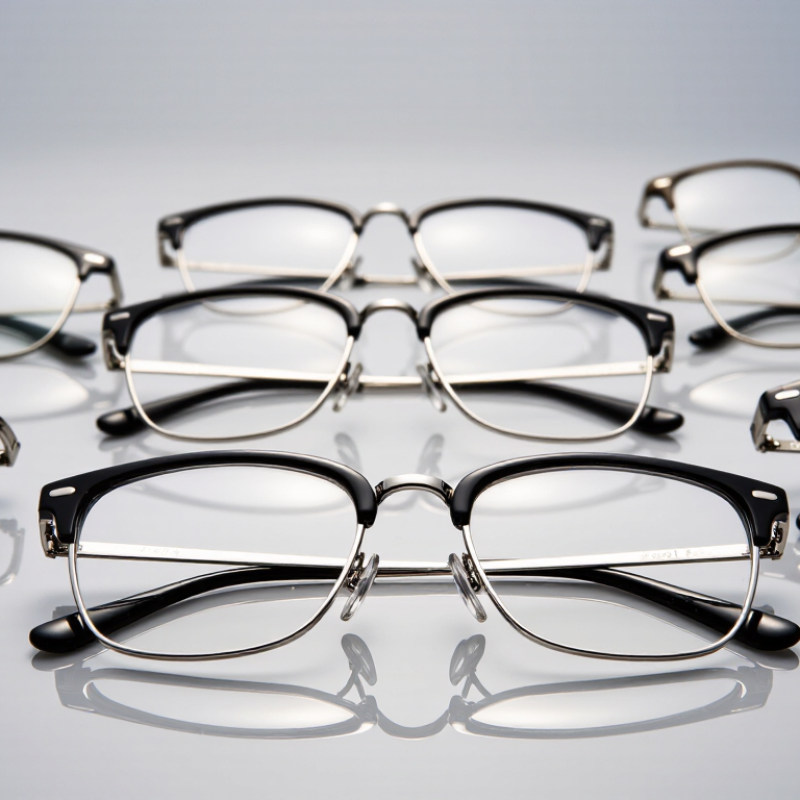
A semi-rimless optical frame holds the lens along only part of its edge, rather than enclosing it in a complete metal or plastic rim. In many designs, a slim upper rim connects to a fine nylon cord that sits in a narrow groove along the lens’s lower edge. Other versions reverse this arrangement. The open section leaves more of the lens visible and creates a lighter visual profile. Small detail, big effect.
The lens edge and cord need to work together precisely. A poorly cut groove or loose cord can allow movement, so accurate lens edging and careful assembly matter. The bridge, nose pads, and temple arms still shape how the frame sits; an open lower edge does not guarantee a comfortable fit. Semi-rimless frames may suit people who prefer a less enclosed look, but lens material and prescription can affect which designs are appropriate. Not always lighter. Some metal components feel substantial, and the exposed lens edge may need mindful handling during cleaning or storage. A practical check is to inspect the cord tension and the frame’s alignment during fitting. If either side sits unevenly, the frame may need adjustment rather than extra pressure from the wearer.
A semi-rimless frame typically has an eyewire along the upper edge of each lens, while a thin nylon cord secures the lower edge. The 50/50 split shown is illustrative; the actual proportions vary with frame design and lens shape.
Semi-rimless optical frames balance an open appearance with the support needed for everyday wear. Their lower lens edges are held by a thin nylon cord, so groove depth and cord tension need careful control. A shallow groove may let the cord slip; excessive tension can stress the lens edge. Small details matter. The bridge, nose pads, and temples should also sit evenly, since poor alignment can make a light frame feel uncomfortable. Designers often test prototypes on different face shapes before settling on the fit.
Material choice affects weight, flexibility, and finishing. Titanium can provide a light, corrosion-resistant structure, while stainless steel offers a firmer feel and is often easier to shape. Acetate temple tips add a warmer touch at contact points. In manufacturing, cutting, soldering, polishing, and hinge assembly each require consistent checks. A hinge that looks aligned may still feel stiff, so opening and closing it by hand remains useful. The cord should be inspected for even seating, and lens edges checked for chips or rough spots. These checks take time. Some production decisions still involve trade-offs, and a design that looks elegant on a display stand may need adjustment after real wear testing.
Leading semi-rimless optical frame manufacturers balance precise assembly with comfortable, durable designs. In these frames, a thin lower nylon cord secures each lens. Clean lens grooves, even cord tension, and smooth nose-pad arms matter. Small alignment errors can make lenses sit unevenly or feel uncomfortable.
Grand View Research estimated the global eyewear market at USD 169.9 billion in 2023, with projected growth through 2030. This figure covers eyewear broadly, not semi-rimless frames alone. I would not treat it as a forecast for this niche. When assessing manufacturers, ask about material specifications, lens compatibility, production tolerances, and inspection procedures. Request sample pairs and compare hinge movement, cord replacement, and fit. A polished sample is useful, but it cannot reveal every production issue.
Tips: Check the lower lens edge closely. Look for consistent grooves and a cord that stays seated when gently handled. Ask how defects are tracked across production batches. Small details matter.
Comparing semi-rimless optical frame manufacturers means looking beyond a polished sample. The lens groove should be even, with no sharp edges or visible chips. Check that the nylon cord sits firmly and holds the lens without excessive pressure. Bridge alignment and hinge movement also reveal how carefully frames are assembled. Small details matter.
Quality depends on repeatable checks, not just skilled handwork. Ask how factories inspect dimensions, plating, screw fit, and frame alignment across each batch. A sample may feel smooth, while later units vary slightly. That happens. Clear inspection records and defined tolerances help identify problems before shipment. Production capacity matters too: a supplier should explain realistic lead times and how it handles larger orders without skipping checks.
Tips: Request samples from different production runs, then compare them under the same lighting. Gently test the hinges and inspect the cord attachment. Ask what happens when a batch fails inspection. A vague answer is worth questioning. Even a detailed process cannot prevent every defect, so agree on clear acceptance criteria before production begins.
Choosing a manufacturer for semi-rimless frames means checking more than appearance. Grand View Research valued the global eyewear market at USD 147.6 billion in 2023 and projected 8.3% annual growth from 2024 to 2030. That expanding market makes supplier selection more important, not easier. Fit matters. Ask how the factory controls lens-groove dimensions, nylon-cord tension, hinge alignment, and replacement-part supply. A neatly finished sample can hide inconsistent production.
Request documented inspection criteria and test records, not just verbal assurances. ISO 12870:2016 specifies requirements and test methods for spectacle frames; ask which relevant checks the supplier applies to your design. Examine several production samples for cord seating, sharp edges, frame symmetry, and finish consistency. Small details count. Confirm material specifications, batch traceability, defect handling, and how changes to tooling or components are approved. These records help connect a good-looking prototype with repeatable manufacturing.
Communication is part of quality control. Set tolerances, sampling plans, packaging requirements, and delivery milestones in writing before production begins. Ask for corrective-action reports when samples fail inspection. A low quote may omit useful testing or after-sales support. I would not treat one successful sample as proof of stable output; it is only a starting point. Request a pilot run, then compare randomly selected units under the same inspection conditions. Some checks may feel excessive, but unclear expectations often cost more later.
| Selection factor | Why it matters | What to verify with the manufacturer | Practical evaluation |
|---|---|---|---|
| Semi-rimless construction | In many semi-rimless designs, a nylon cord or similar retaining system holds the lens along the lower edge, while the upper portion is supported by a frame rim. | Ask how the cord is fitted and replaced, which lens-edge shapes are supported, and whether replacement parts are available. | Inspect a sample for secure lens retention, an even cord fit, and accessible servicing. |
| Lens compatibility | Lens material, prescription, shape, and edge thickness can affect how well a lens fits and stays secured in a semi-rimless frame. | Request the supported lens materials, lens dimensions, groove or edge requirements, and guidance for higher prescriptions. | Have an optician or lens laboratory confirm compatibility for the intended prescription before ordering. |
| Frame materials | Frames may use materials such as titanium, stainless steel, or plastic-based materials. Material choice affects weight, flexibility, finish, and care requirements. | Confirm the material for each component, any coating or plating, and the care instructions supplied with the frame. | Compare physical samples for finish consistency, comfort, and the intended use rather than relying on material names alone. |
| Fit and sizing | Bridge width, lens width, temple length, and frame shape influence fit. Frame measurements help buyers compare styles and select suitable stock. | Request a complete measurement chart, tolerances, and clear labeling for size variants. | Check sample measurements against the specification and assess fit on the intended wearer group. |
| Hinges and components | Hinges, screws, nose pads, and temple tips affect everyday adjustment, comfort, and repairability. | Ask about component materials, replacement-part availability, adjustment guidance, and the checks performed during assembly. | Open and close sample temples, inspect alignment, and confirm that service parts can be ordered. |
| Quality management and standards | ISO 12870 specifies requirements for spectacle frames, including relevant test methods. The applicable requirements depend on the product and market. | Ask which edition and clauses apply, what testing has been completed, and whether reports or declarations cover the exact frame model. | Review current, model-specific documentation; do not treat a general certification claim as proof that every product was tested. |
| Inspection and defect handling | Consistent incoming materials, assembly checks, and finished-product inspections can help identify defects before shipment. | Request the inspection checklist, sampling approach, defect definitions, and process for handling nonconforming goods. | Agree on acceptance criteria in writing and inspect pre-production or shipment samples against them. |
| Customization and minimum order | Custom colors, finishes, dimensions, or packaging may require additional development, approvals, and production planning. | Confirm minimum order quantities by style and color, sample charges, tooling costs, and the approval process for custom work. | Obtain a written quotation that separates one-time development costs from unit pricing. |
| Lead time and supply continuity | Production schedules depend on material availability, order size, customization, and shipping arrangements. | Ask for estimated sample and production timelines, stock availability, reorder terms, and how delays are communicated. | Plan using confirmed dates and allow time for sample approval, inspection, and transit. |
| Warranty and after-sales support | Clear policies help buyers understand coverage for manufacturing defects, exclusions, returns, and repairs. | Request warranty terms, claim documentation requirements, response channels, and availability of cords, screws, nose pads, and other service parts. | Compare written policies and confirm the support process before placing a production order. |

Note: Manufacturer capabilities and product specifications vary. Verify all materials, testing claims, lead times, and commercial terms against current documentation and physical samples.
It holds each lens along only part of its edge. An open section leaves more of the lens visible.
Many designs use a slim upper rim and a nylon cord seated in a narrow lower-edge groove. The arrangement can vary.
A poorly cut groove or loose cord can let the lens move. Small details matter.
No. Some metal parts feel substantial, so the open design does not guarantee a lighter frame.
Not necessarily. The bridge, nose pads, and temple arms affect fit. An open lower edge is no guarantee.
Look for even alignment on both sides. Check that the cord stays seated when gently handled.
Lens material and prescription can affect which designs are appropriate. Ask about compatibility before choosing a frame.
Clean and store it mindfully. The exposed edge may need extra care; I might still overlook it.
Semi-rimless optical frames combine a partially exposed lens edge with a supporting frame, creating a lightweight look while retaining structure around key areas. Their performance depends on thoughtful design, compatible lens materials, precise fitting, and secure connections. Manufacturers may use materials such as stainless steel, titanium, or durable plastics, with production processes that include cutting, shaping, assembly, and quality checks.
When comparing manufacturers, consider more than appearance: assess material consistency, workmanship, production capacity, customization options, and inspection procedures. A reliable partner should be able to explain how it manages fit, finish, durability, and order requirements. By weighing these factors against your intended use, budget, and desired style, you can select a manufacturer suited to producing dependable semi-rimless optical frames.