ISO 9001:2015 & CE Certified Eyewear Enclosure OEM/ODM
CE Certified Custom Glasses Case Factories & Exporter
Global contract manufacturing, precision mold fabrication, and sustainable optical packaging compliant with EU MDR 2017/745, REACH (EC) 1907/2006, and international retail logistics benchmarks.
45,000,000+
Annual Units Shipped
100%
CE & REACH Compliance Rate
72 Hours
Rapid 3D CAD Prototyping
68+
Export Nations Served
Factory Direct Portfolio
Featured Optical Packaging & Precision Eyewear Solutions
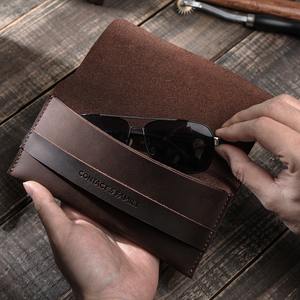
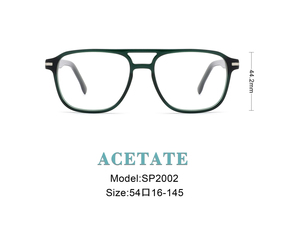
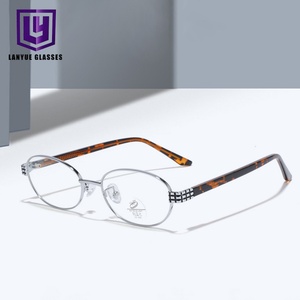
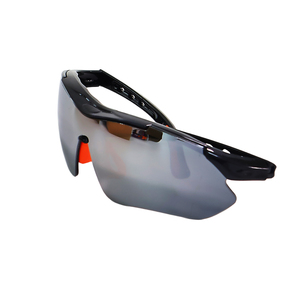
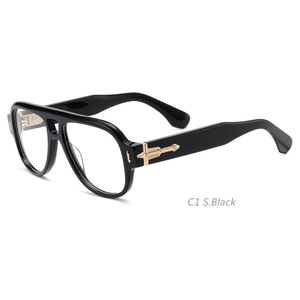
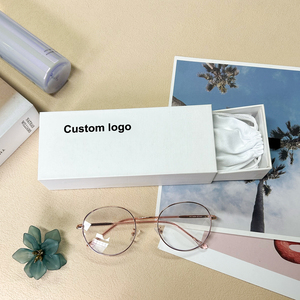
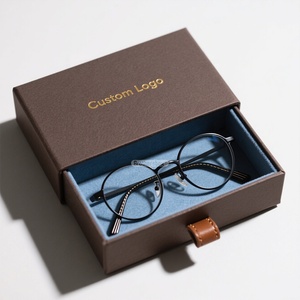
Precision-engineered rigid cardboard boxes, eco-friendly leatherette pouches, hand-finished acetate frames, and protective optical enclosures fabricated for commercial scalability.
CE Certified Glasses Case Manufacturing: Engineering, Toxicology & Quality Architecture
A rigorous industrial perspective on technical specifications, toxicological testing protocols, mechanical durability standards, and high-volume OEM/ODM export controls.
In the contemporary optical manufacturing landscape, the humble glasses case has evolved from a secondary accessory into a regulated medical device packaging constituent and critical brand touchpoint. For eyewear brands, optometry retail franchises, and industrial safety distributors trading within the European Economic Area (EEA) and global markets, sourcing glasses cases demands verifiable compliance. A CE certified custom glasses case factory operates at the nexus of precision structural engineering, material chemistry safety, and high-efficiency contract manufacturing. Under the European Union Medical Device Regulation (EU MDR 2017/745), corrective eyewear frames and prescription lenses are categorized as Class I medical devices; consequently, protective hard enclosures and structural packaging that accompany these optical instruments must fulfill strict biocompatibility, chemical safety, and mechanical isolation requirements.
Furthermore, eyewear protective packaging intended for personal protective equipment (such as ballistic, industrial, or anti-fog working goggles conforming to EN 166:2001) must exhibit robust energy absorption and impact mitigation to maintain the optical alignment and lens surface integrity of safety eyewear during maritime transit, warehouse staging, and field deployment. As an accredited exporter and production group, our manufacturing network adheres to strict toxicological thresholds established by REACH Regulation (EC) No 1907/2006 Annex XVII, guaranteeing that every polyurethane (PU) skin, genuine leather substrate, injection-molded core, flocking adhesive, and metallic closure hardware is entirely devoid of hazardous restricted substances, including heavy metals, restricted phthalates, azo colorants, and short-chain chlorinated paraffins (SCCPs).
Chemical & REACH Compliance
Exhaustive chemical screening ensures zero presence of restricted plasticizers (DEHP, DBP, BBP, DIBP < 0.1% by weight), zero dimethyl fumarate (DMFu), and undetectable carcinogenic arylamine dyes across all textile linings, microfibers, and exterior laminates.
Structural Load Resistance
Hard cardboard triangular folding cases and iron-core clam shells undergo compressive crushing tests up to 45 kg (440 N) static load, preventing frame distortion, nasal pad displacement, and lens surface aberration during extreme transport pressures.
Hinge & Flex Endurance
Equipped with internal manganese spring steel joints and Neodymium (NdFeB) magnetic retention systems verified for 20,000+ continuous actuation cycles without mechanical fatigue, hinge misalignment, or closure magnetic flux decay.
Substrate Science & Quality Benchmarks
Material Engineering Matrix & Structural Integrity Testing
Comparative mechanical metrics of standard industrial substrates deployed across bespoke luxury, retail folding, and industrial protective glasses enclosures.
Selecting the appropriate substrate configuration is critical when balancing unit weight, logistics footprint, tactile customer perception, and protective shock absorption. Our engineering facilities deploy computerized precision die-cutting, vacuum thermoforming, and hot-melt lamination to combine diverse physical components into seamless assemblies. Below is an engineering matrix detailing material attributes across our prime production lines:
Substrate Architecture
Core Composition
Flexural / Crush Threshold
Environmental / CE Certifications
Primary Industrial Use-Case
Rigid Greyboard Folding Box
1200–1600 GSM Recycled Cellulose Core + PU Skin
Resists up to 380 N Vertical Compression
FSC-C145892, REACH Annex XVII, RoHS 2011/65/EU
High-End Retail Eyewear & Compact Global Air Freight
2.0mm High-Density Chipboard + Specialty Linen Paper
Drop Test Passed: 1.5m Multi-Angle Impact (ASTM D5276)
Biodegradable Adhesives, Heavy-Metal Free Inks
Full Retail Unboxing Experience Kits with Cleaning Accessories
Industrial Molded EVA Enclosure
75-Degree Shore C Molded EVA + 600D Ballistic Nylon
High Elastic Recovery, IP54 Splash & Dust Sealed
EN 166:2001 Auxiliary Shielding, Non-Toxic Flocking
Industrial Safety Glasses, Military Eyewear, Sports Goggles
Every manufactured batch subjected to overseas shipment undergoes rigorous in-house climate simulation tests. Samples are conditioned inside environmental chambers cycling from -20°C to +65°C at 95% relative humidity for 72 consecutive hours. This ensures that custom adhesive formulations do not delaminate, PU exterior surfaces avoid blistering or hydrolytic breakdown, and interior velvet flocking retains high abrasion resistance without depositing synthetic fibers onto anti-reflective lens coatings.
Procurement Intelligence
Future Procurement & Sourcing Trends in Eyewear Packaging (2025–2030)
Emerging manufacturing vectors reshaping contract negotiations, supply chain resilience, and international sustainability directives.
1. Collapsible Spatial Optimization
Triangular folding designs reduce shipping volume by up to 68% in flat-packed states, drastically lowering ocean freight emissions and warehouse staging costs per thousand units.
2. Digital Product Passports (DPP)
Integration of covert RFID and laser-ablated QR matrices provides verifiable chain-of-custody data, assisting brand owners in meeting European Circular Economy mandates.
3. Bio-Circular Polymer Coatings
Accelerated migration from traditional petroleum-derived vinyl and PU to water-based solvent-free polyurethanes, bio-based corn-derived PLA skins, and rPET linings.
4. Lens Coating Micro-Friction Shield
Development of anti-static microfiber flocking fabrics that prevent micro-scratching on delicate hydrophobic, oleophobic, and multi-layer anti-blue light ocular coatings.
Procurement officers representing multi-location optical chains are shifting away from spot-market transactional buying toward long-term OEM platform partnerships. With sea-freight volatility and regulatory scrutiny escalating across EU borders, supply chain resilience depends on selecting manufacturing facilities equipped with automated die-cutting, closed-loop water treatment facilities, and established raw material buffer stocks. This dual-track strategy ensures stable bill-of-materials (BOM) pricing even when raw cellulose paper pulp, leatherette resins, or rare-earth magnet prices fluctuate on international commodity exchanges.
Factory Floor Excellence
Enterprise Strengths & Industrial Production Ecosystem
Combining traditional artisan hand-finishing with automated precision engineering to deliver millions of custom glasses cases without qualitative variance.
Our manufacturing facility operates as a world-class OEM/ODM enterprise servicing premier fashion brands, ophthalmic frame distributors, and safety equipment conglomerates. Backed by decades of combined metallurgical, paperboard, and fine leathercraft engineering, we maintain end-to-end sovereignty over every facet of production:
Dedicated In-House Tooling & Mold Shop
We operate 5-axis CNC machining centers and high-speed EDM equipment for rapid tooling development, cutting bespoke mold fabrication cycles from 25 days down to an agile 6 business days.
Automated Assembly & Hand-Finishing
Robotic gluing and optical alignment machines ensure adhesive distribution within 0.05mm tolerances, paired with veteran craftsmen inspecting hinge tension, edge paint uniformity, and seam tension.
AQL 1.0 Strict Optical Metrology
Our quality assurance regime enforces Acceptance Quality Limit (AQL) 1.0 standards for cosmetic surfaces, hinge resistance, magnetic pull, and inner flock cleanroom cleanliness prior to palletization.
Receipt of client 3D STEP files, frame diopter dimensions, or target physical eyewear sample for volumetric fit modeling.
02
Rapid Prototyping
Creation of functional 3D printed cores and hand-upholstered pre-production samples for physical tactile sign-off within 72 hours.
03
Chemical Pre-Audit
Spectrophotometric and lab assay analysis ensuring chosen fabrics, leathers, and glues align strictly with REACH Annex XVII directives.
04
Precision Run
High-speed automated die stamping, thermal embossed branding, edge-burnishing, and magnetic polarity matching assembly.
05
Global Dispatch
Desiccant moisture-sealed packaging, seaworthy 5-ply corrugated master cartons, and direct export documentation with CE DoC.
Trade Inquiries
Frequently Asked Questions on Custom Glasses Case Procurement
Detailed engineering, minimum order quantities (MOQ), regulatory certifications, and logistics answers for professional trade buyers.
What specific CE and European standard documentation accompanies exported cases?
Every commercial export consignment is provided with a comprehensive technical dossier comprising the CE Declaration of Conformity (DoC), REACH Regulation (EC) 1907/2006 third-party test reports (verifying absence of SVHCs, restricted phthalates, cadmium, and azo dyes via accredited labs like SGS/TÜV), and verification of non-hazardous status under EU MDR 2017/745 Class I accessory provisions.
What are the factory standard Minimum Order Quantities (MOQ) for custom projects?
For custom logo debossing and screen printing onto existing structural molds, our baseline MOQ begins at 500 units per colorway. Fully customized bespoke geometric tooling (new structural hard dimensions, unique injection cores, or specialized multi-material sliding drawers) requires an MOQ of 1,000 to 2,000 units to amortize customized tooling and robotic die-cutting calibrations efficiently.
How do you prevent interior flocking and velvet linings from shedding microfibers?
We deploy electrostatic high-density nylon and rayon flocking anchored with cross-linked aqueous polyurethane adhesives, followed by a dual-stage ultrasonic vacuum de-linting process prior to final packaging. This guarantees that delicate optical anti-reflective, polarizing, or photochromic lenses will not suffer micro-scratching or particulate contamination during long-term storage.
Can the factory engineer triangular folding cases to fit oversized wraparound sunglasses?
Yes. Our engineering division regularly redesigns standard equilateral triangular folding profiles into asymmetrical and wide-base geometries (ranging from 165mm up to 185mm interior clearance with deepened apex angles) specifically engineered to cradle high base-curve (Base 6 and Base 8) sports eyewear and thick acetate aviator frames without compressive force.
What branding and decorative finishing methodologies are performed in-house?
Our decorating department executes high-precision blind hot-stamping debossing, metallic leaf foiling (gold, silver, holographic, rose gold), silk-screen printing with UV-cured scratch-resistant inks, precision laser engraving, CMYK high-resolution offset lithography on paperboard sleeves, and metallic emblem badge riveting.
How is mold and odor development prevented during long oceanic container transit?
All finished products are treated in humidity-controlled conditioning chambers to achieve less than 8% moisture equilibrium in paper cores and leathers. We insert non-toxic food-grade anti-mold micro-stickers (mineral-based vaporization) and calcium chloride desiccant packets inside every sealed master polybag, precluding mold spore germination through equatorial shipping routes.
Ready to Initiate Your Production Pipeline?
Request Direct Factory Pricing, Custom Tooling & Compliance Samples
Consult with our lead optical packaging engineers to discuss your 3D blueprints, custom material specifications, annual contract manufacturing volumes, or rapid prototype turnaround.