Sourcing Guides
wholesale optical frames acetate optical frames wholesale tortoiseshell acetate frames cellulose acetate spectacle frames hand-finished acetate eyeglasses rectangle acetate optical frames square acetate optical frames titanium optical frames wholesale Global Service Top SearchCompany
About Elistro Dealer Program ContactEngineered with premium cured cellulose acetate, high-tensile beta-titanium, and medical-grade polymers. Every SKU is hand-inspected, precision-balanced, and ready for global OEM/ODM optical private labeling.
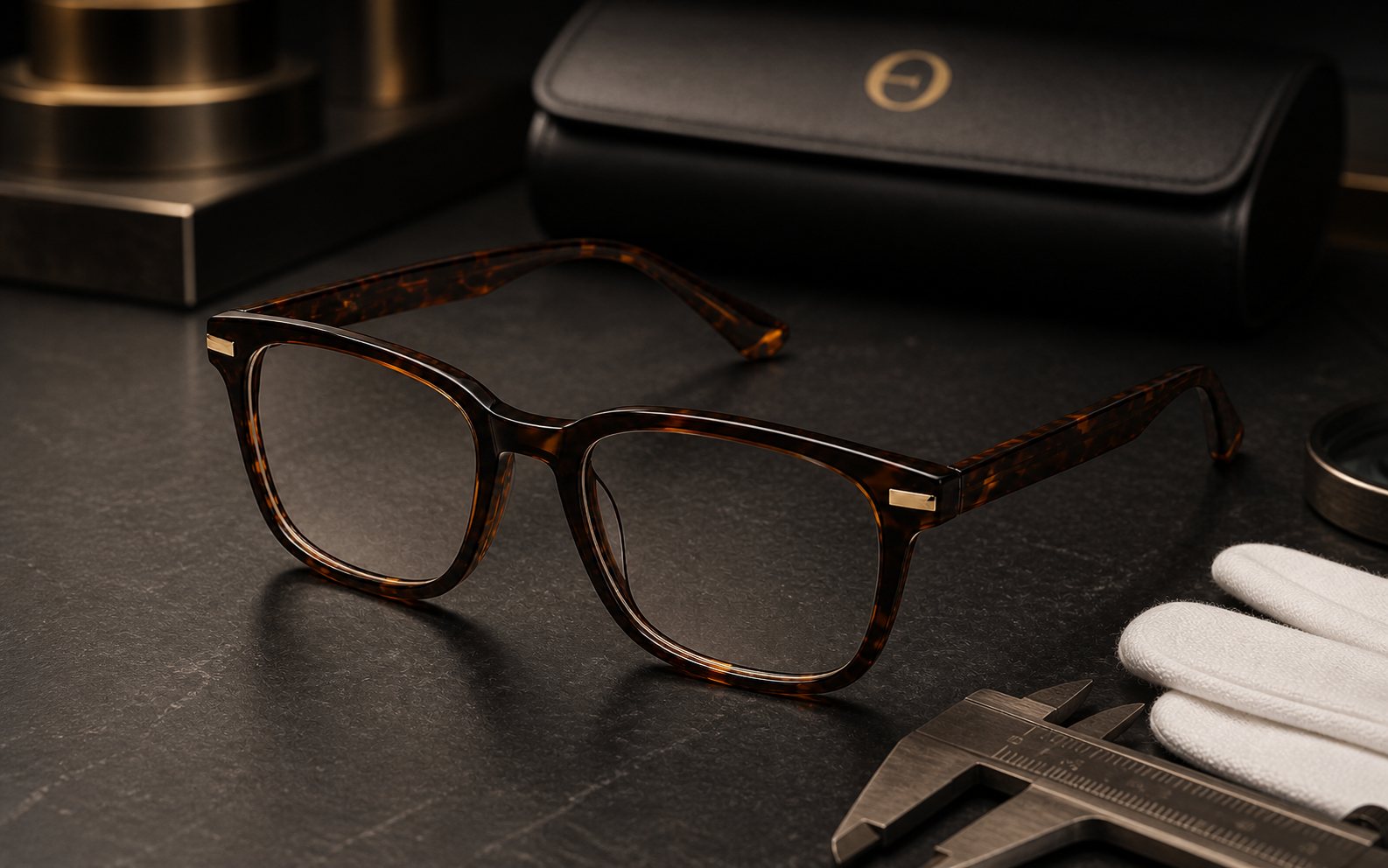
Cellulose acetate represents the pinnacle of luxury ophthalmic eyewear. Unlike ordinary petro-chemical injection plastics, genuine handmade acetate originates from natural wood pulp and cotton lint fibers, undergoing months of chemical stabilization, sheet slicing, five-axis CNC machining, and multistage pumice tumbling.
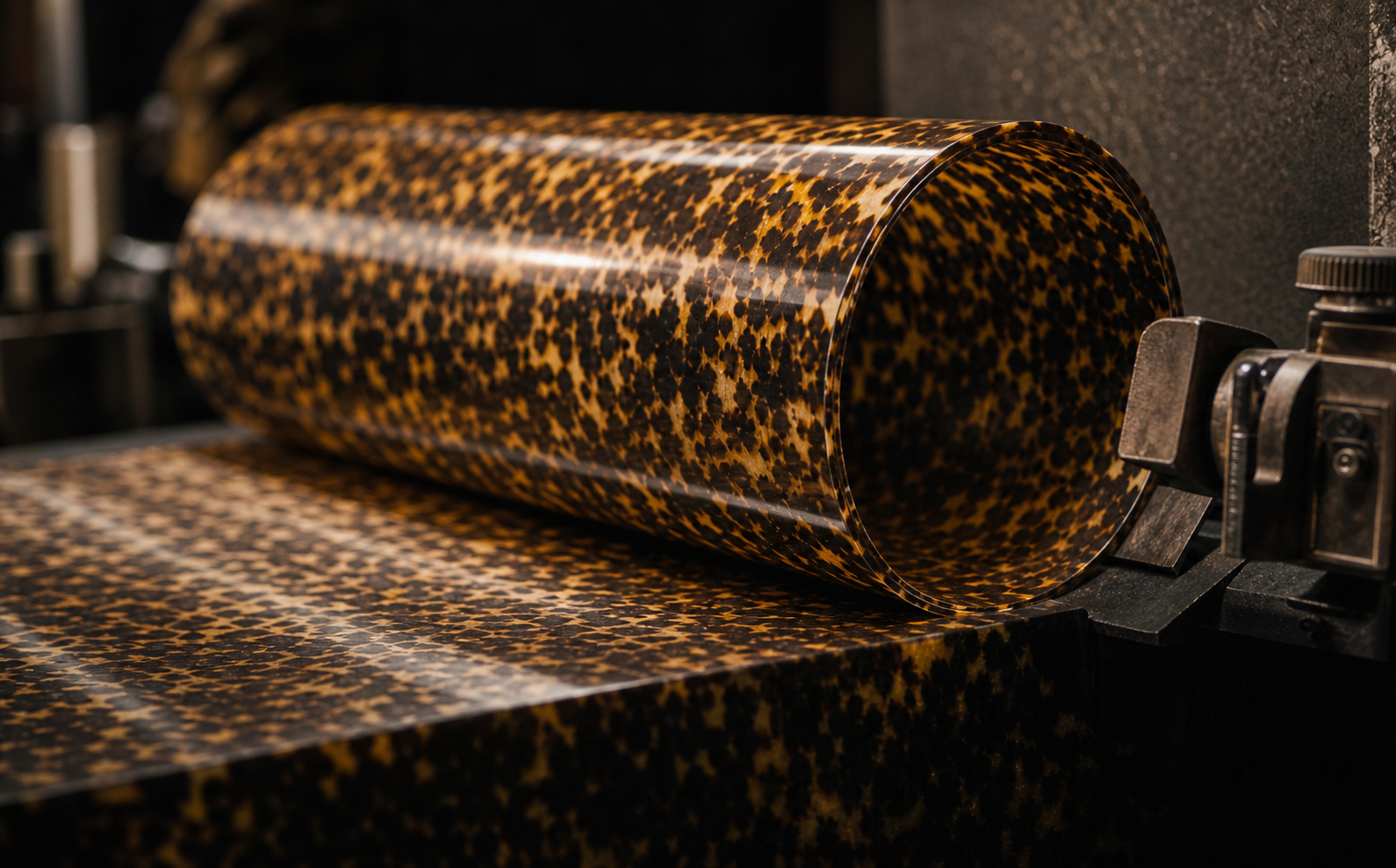
Cellulose flakes are combined with bio-plasticizers and organic pigments, then pressed into monolithic blocks. These blocks cure in temperature-controlled kilns for 60 days to eliminate internal thermal stresses, guaranteeing lifelong dimensional stability.
Cured acetate sheets are sliced to specific gauges (4.0mm to 8.0mm) and routed via micro-tolerance five-axis CNC machines. Skilled artisans hand-bevel the ergonomic nose contours and edge bevels to ensure an ultra-smooth skin contact feel.
Temples are heated in molten salt baths to shoot custom etched nickel-silver or titanium core wires. We anchor heavy-duty 5-barrel and 7-barrel hinges with dual-riveted pins through the chassis, ensuring maximum mechanical durability.
Frames undergo 72 hours of rotary tumbling in beechwood chips, pumice stone, and natural carnauba wax. Finally, opticians bench-align temple tension, four-point face form wrap, pantoscopic angle, and verify optical groove tolerances under DIN ISO 12870.
Evaluate optical raw materials based on cold flexibility, ophthalmic lab adjustability, chemical resistance, and market retail tier to optimize your wholesale inventory stock turn.
| Engineering Criteria | Cured Cellulose Acetate | Pure / Beta Titanium | TR90 Grilamid (Injected) | Stainless Steel 304L |
|---|---|---|---|---|
| Material Composition | Natural cotton & wood pulp flake esterified with acetic anhydride | CP-1/CP-2 Grade 1 Titanium or Ti-15V-3Cr-3Sn-3Al beta alloy | Polyamide homopolymer (Grilamid TR90 transparent nylon) | Austenitic medical-grade chromium-nickel alloy steel |
| Dispensing Heat Adjustability | Superior (10/10): Malleable at 55°C–65°C using standard optical bead warmers; holds cold set permanently. | Moderate (6/10): Requires specialized end-piece pliers; temples can be cold-formed gently. | Very Low (2/10): Memory plastic; snaps back to mold shape when heated; difficult to customize fit. | Moderate (7/10): Excellent ductility for cold bridge and temple tip adjustments. |
| Color Depth & Surface Patina | Three-Dimensional: Embedded layer lamination, deep shell tortoise, translucent wood grains. | PVD vacuum ion-plating, anodized titanium oxide films, matte micro-bead blast. | Surface spray painted or water-transfer dipped; prone to peeling after skin oil exposure. | Galvanic electroplating (gold, palladium, ruthenium) or electro-deposition paint. |
| Prescription Lens Adaptability | High Diopter Friendly: Accommodates thick +6.00 to -10.00 lenses inside deep 5.0mm-8.0mm rims. | Best for thin 1.67–1.74 high-index lenses; minimalist aesthetic. | Limited to low-to-medium prescriptions; bevel slip can pop high-cylinder lenses out. | Versatile with nylon eyewire grooves; best for progressive multi-focals. |
| Target Wholesale Market | Independent boutiques, luxury optometry practices, high-end private label brands. | Executive business, lightweight luxury, professional ergonomic collections. | Fast fashion, entry-tier e-commerce, promo sunglass lines, sports wrap-arounds. | Mass retail chains, institutional managed care, reliable corporate everyday wear. |
Strategic purchasing directors must align their B2B inventory with major regulatory shifts, circular material standards, and modern ergonomic demands. Here are the defining shifts in global eyewear procurement.
Stringent EU environmental mandates and corporate ESG compliance have accelerated the transition to Bio-Acetate. Formulated with phthalate-free plant-based plasticizers (such as citric acid derivatives), bio-acetate achieves over 68% bio-renewable carbon content under ASTM D6866 and biodegrades under industrial composting conditions (ISO 14855) while preserving the same lustrous polish, dimensional stability, and optical clarity as traditional sheets.
Optical retailers stocking certified bio-acetate report higher average order values and capture affluent Gen Z and millennial prescription consumers who actively seek certified sustainable eyewear.
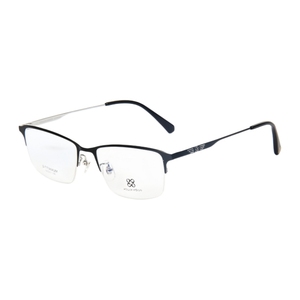
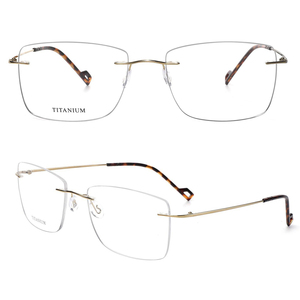
Market demand has surged for hybrid engineering that bonds ultra-thin, high-density cured acetate rims with aerospace beta-titanium bridges and temples. This architecture delivers the striking acetate front profile while reducing total frame weight down to 14–18 grams.
By engineering high-precision micro-screws and anti-rotation pin locks between the acetate chassis and the titanium chassis, manufacturers provide opticians with the structural stiffness needed for progressive lenses without putting heavy pressure on the wearer's nasal bridge.
Historical "one-size-fits-all" sizing often causes slipping on flatter nasal bridges and pinching at wider temples. Leading global exporters now build dual-fit tooling: Standard European Bridge (narrow, high-set bridge with deeper splay) and Universal/Asian Fit (wider 18-21mm bridge, built-up hand-cemented acetate nose pads, reduced pantoscopic tilt, and curved temple clearance).
Stocking these tailored fits eliminates costly retail returns, improves prescription focal alignment, and significantly boosts customer satisfaction across multi-regional distribution chains.
Combining time-honored bench craftsmanship with high-precision CNC automation, we provide full turnkey production from initial 2D technical drawings to boutique-ready retail packaging.
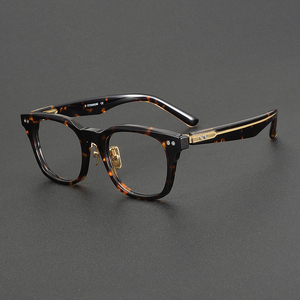
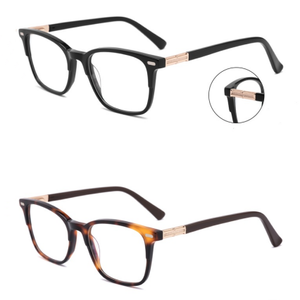
Access our library of 500+ private acetate colors or commission custom sheet laminations, including horn imitations, havana tortoises, clear wood veneers, and gradient transitions with minimum custom batch run thresholds.
Every frame batch undergoes continuous mechanical stress testing: 500-cycle bridge endurance flexing, 24-hour sweat perspiration corrosion baths, UV radiation aging chambers, and 50,000-cycle temple hinge rotation tests.
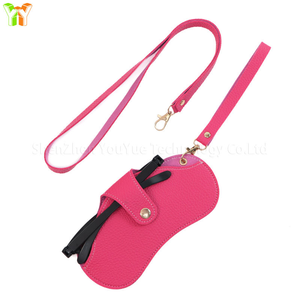
Elevate your brand margin with our turnkey packaging sets: customized debossed hard leatherette folding cases, rigid magnetic gift boxes, custom microfiber cleaning cloths, micro-etched screwdriver tools, and foil-stamped warranty booklets.
Take advantage of flexible export paperwork, bonded warehouse transshipment support, compliant dual-country COO marking, and optimized consolidated container logistics tailored for wholesale distributors across the Americas, Europe, and Asia-Pacific.
Direct, transparent answers regarding manufacturing lead times, minimum order quantities (MOQs), private labeling capabilities, regulatory compliance, and post-sale optical support.
For existing catalog models with ready-cured acetate in stock, our MOQ starts at 100 pieces per model (split across 2 to 3 colorways). For fully custom OEM designs involving proprietary 3D CAD modeling, custom-extruded sheet colors, and custom metal hardware molds, the standard production run starts at 300 pieces per silhouette (100 pieces per color). This guarantees optimal material yield and cost efficiency during automated CNC routing and tumbling.
Injected plastic frames (such as polycarbonate, basic acrylic, or low-cost nylon) are molten petro-chemical resin shot into steel molds at high speed. They lack core wires, cannot be heated and bent by opticians without warping, become brittle under UV radiation, and look flat. Our handmade cured acetate is sliced from aged cotton-derived blocks, hand-profiled, fitted with internal malleable wire cores, and polished for 72 hours. It allows opticians to adjust the fit repeatedly without cracking.
All exported eyewear complies fully with EN ISO 12870:2018 (Ophthalmic Optics - Spectacle Frames), US ANSI Z80.5, and FDA Title 21 CFR 801.410 impact resistance guidelines. Our acetate material and metal hardware meet REACH Annex XVII (Nickel Release Standard EN 1811 & EN 12472), RoHS directives, and California Proposition 65 requirements for lead, cadmium, and phthalate concentrations, backed by verified third-party SGS/TUV test reports.
Digital 2D/3D CAD technical drawings with exact boxing measurements are provided within 3 to 5 business days. Rapid physical prototype models (CNC machined without steel molds) take 15 to 20 business days. Once prototypes are approved and the deposit is confirmed, mass production requires 45 to 60 calendar days. This timeframe accommodates the necessary tumbling, aging, multi-stage hand polishing, and metrology bench inspection.
Yes. We offer comprehensive OEM private label branding options, including high-precision laser engraving, metallic foil hot-stamping, internal pad-printing under a protective clear lacquer coat, CNC micro-milled temple metal end-cap inserts, and silkscreen demo lens printing with blue-light filter or scratch-resistant test coatings. We can also custom stamp your brand logo on cases, packaging boxes, and microfiber cloths.
Every frame front is routed using high-precision CNC cutter heads calibrated to the international standard V-bevel angle of 110° to 120° with a consistent groove depth of 0.6mm to 0.8mm. This ensures that automatic ophthalmic edgers (such as Essilor, Nidek, or Santinelli) can cut and snap lenses in smoothly without loose lens play, frame distortion, or stress birefringence in polarized lenses.
Partner with an engineering-focused factory equipped to bring your designs to market with lower MOQs, uncompromised material quality, and reliable lead times. Request our complete wholesale catalog, technical lookbook, and wholesale pricing matrix today.
Get Catalog