
OEM Packaging
Sourcing Guides
wholesale optical frames acetate optical frames wholesale tortoiseshell acetate frames cellulose acetate spectacle frames hand-finished acetate eyeglasses rectangle acetate optical frames square acetate optical frames titanium optical frames wholesale Global Service Top SearchCompany
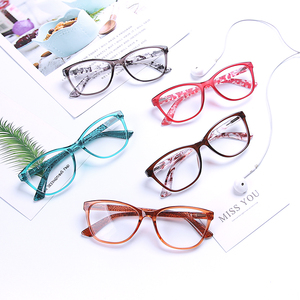
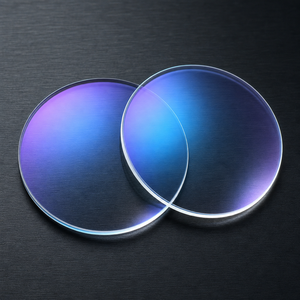
About Elistro Dealer Program ContactSource complete private-label configurations, premium anti-blue light prescription frames, ophthalmic single-vision lenses, and full-package custom retail bundles direct from our certified manufacturing floor.
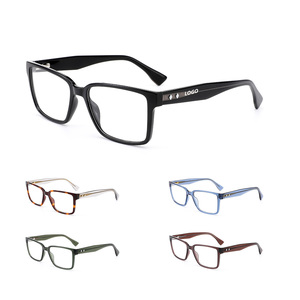
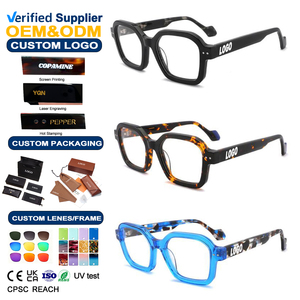
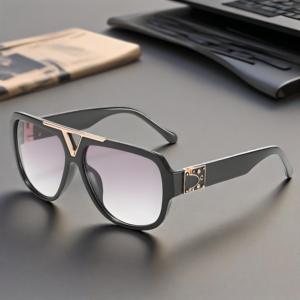
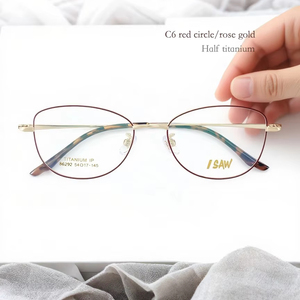
In modern optical manufacturing, ophthalmic dispensing, and industrial photonics, the microfibre lens cleaning cloth is no longer treated as a low-cost, disposable giveaway. Rather, it represents the vital contact interface that preserves the lifespan, optical transmittance, and surface integrity of sophisticated multi-layer anti-reflective (AR), hydrophobic, and oleophobic lens coatings. Today's high-index lenses (1.60, 1.67, and 1.74 MR-series thiourethane polymers) and sensitive AR stacks operate within sub-micron tolerances; an inferior cleaning substrate woven with coarse denier or abrasive binder agents induces catastrophic micro-abrasions that permanently degrade visual acuity and compromise hydrophobic contact angles.
Our custom OEM bulk lens cloth manufacturing program is established on strict principles of microfibre tribology. Optical-grade microfibre consists of an intimate, bicomponent composite polymer structure typically engineered from 70% to 80% polyester (polyethylene terephthalate, PET) and 20% to 30% polyamide (nylon 6). PET provides the mechanical rigidity, oleophilic lipid affinity, and structural foundation of the woven filament matrix, while polyamide delivers electrostatic capillary attraction, high moisture absorbency, and tactile softness. During our controlled chemical splitting extrusion procedure, each primary filament is cleaved into 16 to 32 triangular-wedge wedges, resulting in a filament diameter of less than 0.2 denier (approximately 0.1 to 0.15 dtex)—equivalent to 1/100th the thickness of a human hair.
Technical Principle: Unlike circular cotton fibers that simply displace dust and smear lipophilic facial sebum across the surface of the lens, our split-wedge microfibres act as miniature razor-sharp scraping planes. They mechanically dislodge particulate contaminants and encapsulate oils inside the expansive capillary network via Van der Waals electrostatic force, completely mitigating cross-scratching risks under dry-wiping conditions.
When engineering custom OEM bulk lens cloths for premier optical brands and retail laboratory chains, fabric density (expressed in Grams per Square Meter, or GSM) serves as the primary technical specification. Our computerized weaving looms support precise density calibrations from 160 GSM up to 300 GSM in high-density suede, silky double-sided interlock, waffle-patterned textures, and plush brushed terry configurations. Selecting the appropriate GSM dictates cloth drapability, tensile edge stability during automated die-cutting, liquid absorption volume, and perceived luxury by end consumers at retail optical dispensing counters.
Procurement directors and brand managers must balance tactile branding appeal with functional optical cleanliness. To simplify commercial specification, our factory categorizes OEM microfibre lens cloths into four dedicated engineering tiers, each optimized for specific applications ranging from turnkey eyewear packaging kits to cleanroom camera and lab optic maintenance.
Non-directional, smooth suede finish offering non-slip grip and zero edge rolling. Highly recommended for high-volume eyewear giveaways, medical surgical loupes, and precision camera objectives requiring immediate lipid clearance.
Silky, mirror-like woven textile engineered specifically for ultra-vivid photorealistic dye sublimation and high-resolution multi-color CMYK digital heat transfer. The top choice for high-end designer brands and art museum private labels.
Heavyweight, deep-pile capillary construction designed for maximum particulate entrapment without scratching delicate AR coatings. Tailored for pairing with luxury horn, wood, and handcrafted Italian or Japanese acetate frames.
In addition to standard textile weights, the mechanical boundary condition of the lens cloth determines linting vulnerability. Traditional hot-knife mechanical shearing leaves loose fibers along cut lines that shed onto dark acetate rims and optical benches. Our factory utilizes computerized ultrasonic sealing and precision continuous-wave laser cut edges (patterned in straight, zigzag, or scallop contours), which instantly fuse polymer filaments together to guarantee 100% lint-free performance across thousands of cleaning cycles.
| Textile Specification | GSM Metric | Poly/Polyamide Ratio | Edge Finishing Options | Recommended Printing Method | Target Application Segment |
|---|---|---|---|---|---|
| Standard Suede | 170–190 GSM | 80% PET / 20% PA | Ultrasonic Zigzag / Scallop | Silk Screen / Hot Foil Stamping | Retail Mass Promotion |
| Pro Micro-Filament | 200–220 GSM | 75% PET / 25% PA | Laser Straight Cut / Overlock | Digital Sublimation / Embossing | B2B Optical Rx Chains |
| Luxury Double-Plush | 250–280 GSM | 70% PET / 30% PA | Ultrasonic Straight / Bound Edge | Debossing / Tonal Silicone Print | Luxury Eyewear Boutiques |
| Cleanroom Class 1000 | 210–240 GSM | 80% PET / 20% PA | 4-Side Laser Ultrasonic Welded | Laser Etch / Particle-Free Ink | Laser Labs & Sensor Optics |
Strategic sourcing in the optical accessories sector has undergone structural evolution over the past three years. Multinational retail chains, clinical dispensing consortiums, and camera manufacturing corporations have transitioned away from transactional, ad-hoc spot buying in favor of integrated supplier partnerships governed by strict compliance, total cost of ownership (TCO), and automated inventory replenishment.
1. Recycled Post-Consumer rPET Domination (GRS Certification): Global optical conglomerates are enforcing strict Corporate Social Responsibility (CSR) and ESG guidelines. By 2026, virgin polyester textiles are anticipated to be largely excluded from premium European and North American optical supply chains. Our factory is at the forefront of this shift, having obtained full Global Recycled Standard (GRS 4.0) chain-of-custody verification. Our eco-friendly OEM cloths are woven with 100% GRS-certified yarns derived from recycled post-consumer polyethylene terephthalate bottles, reducing environmental carbon footprint by 45% and conserving up to 50% process water during high-pressure jet dyeing cycles without compromising tactile softness or microscopic cleaning efficacy.
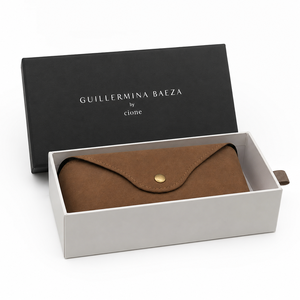
2. Consolidation of Turnkey Eyewear Packaging Ecosystems: Progressive optical purchasing managers no longer source lens cloths, leather pouches, rigid presentation drawer boxes, and frames from disjointed vendors. The fragmentation of optical packaging leads to color-matching deviations across branded accessories, compounding logistics costs, and warehouse handling friction. As demonstrated by our integrated OEM production line, sourcing coordinated accessory ecosystems—pairing custom-dyed microfibre cloths with custom drawer gift boxes, PU leather pouches, and branded anti-blue light or titanium frames—unlocks significant economies of scale, lowers container shipping volume, and guarantees consistent pantone color fidelity across all retail brand touchpoints.
3. Transparent Traceability, Anti-Counterfeiting, and Cleanroom Packaging: Pharmaceutical optical dispensing and specialized surgical eyewear necessitate cleanroom vacuum packaging to prevent airborne cross-contamination during transit. Furthermore, our OEM operations accommodate high-resolution QR micro-weaving and dynamic serialization, enabling brand owners to incorporate digital warranty registrations, lens provenance trackers, and loyalty program portals directly into the surface geometry of the cloth.
R&D investments across our optical laboratories continue to transform simple microfibre wipes into active technological solutions. In an era dominated by high-resolution OLED touch displays, augmented reality (AR) smart glasses, and specialized antireflective ophthalmic coatings, ordinary textiles fall short. We have integrated advanced chemical finishing, polymer chemistry, and nanotechnology into our manufacturing operations:
Long-Lasting Nanotech Anti-Fog Infusion: One of the most sought-after OEM solutions today is our proprietary nano-surfactant impregnated cloth. Rather than relying on messy spray liquids, the hydrophilic organic silica compound is bound at molecular level within the split microfibre channels. When wiped across a lens surface, it deposits an invisible, ultra-thin monolayer that reduces moisture droplet surface tension down to zero, causing water condensation to form a flat, perfectly transparent film rather than scattering light as fog. Our dry-wipe anti-fog cloths deliver up to 24 hours of anti-fog protection per wipe and maintain active performance through more than 600 uses.
Permanent Antistatic Carbon-Core Yarn Integration: Static charge generated during dry-wiping naturally attracts ambient airborne lint, pet dander, and quartz-rich dust back onto freshly cleaned lenses. For precision industrial cleanroom wiping, VR headsets, and ophthalmic manufacturing laboratories, we co-weave 1% to 3% ultra-conductive carbon filaments into the microfibre matrix. This dissipates surface triboelectric charge down to 0 volts, preventing airborne particulate re-adhesion and ensuring pristine, long-lasting surface cleanliness.
Antibacterial & Antimicrobial Zinc Ion Finishes: Because lens cloths are repeatedly carried inside pockets, purses, and vehicle consoles, they can become breeding grounds for bacteria, fungus, and odor. We offer certified Oeko-Tex Standard 100 Class I silver and zinc ion treatments. Integrated during the high-temperature textile scouring phase, these non-leaching antimicrobial agents penetrate the core of the polyamide fibers, suppressing 99.9% of common bacterial colonization (including Staphylococcus aureus and Klebsiella pneumoniae) across 50+ domestic laundry wash cycles.
Operating as a primary manufacturer with vertically integrated weaving, dyeing, cutting, printing, and cleanroom packaging facilities, we eliminate intermediary trading margins, volatile lead times, and quality discrepancies. Our optical accessory and eyewear infrastructure offers strategic B2B advantages built specifically to fulfill high-volume international tenders:
From raw PET/polyamide bicomponent chip extrusion and computerized circular water-jet weaving to ultrasonic slitting and packaging, every workflow is monitored under one roof to guarantee strict lead time adherence.
Our quality management infrastructure operates under ISO 9001:2015, BSCI social compliance, and Global Recycled Standard (GRS) certification. Full raw material provenance reports and SGS/RoHS lab testing are available on demand.
We provide full-spectrum customization capabilities: high-density photorealistic dye-sublimation, sharp edge-to-edge rotary silk printing, deep blind debossing, silicone gel micro-injection, and metallic foil stamping.
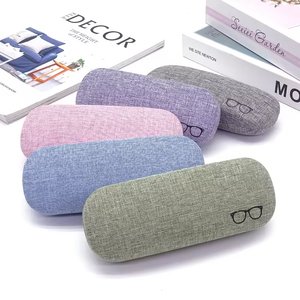
Beyond bulk lens cloths, our factory fabricates matching luxury drawer packaging boxes, folding optical hard cases, PU leather pouches, and anti-blue light or titanium frames for fully cohesive private-label suites.
For medical devices, high-index ophthalmic Rx assembly, and sensor manufacturing partners, we operate an ISO Class 7/Class 10,000 cleanroom equipped with 18 MΩ deionized ultrasonic water washing and vacuum sealing.
Our rapid design lab delivers custom-cut physical samples and digital mockups within 48 to 72 hours, with dedicated English-speaking optical project engineers managing orders seamlessly from inception to port clearance.
Key answers to critical technical, operational, and commercial questions routinely evaluated by optical laboratory procurement directors, eyewear brand founders, and distribution supply chain executives:
For standard luxury retail packaging, a 200 to 230 GSM high-density suede or silky microfibre represents the industry sweet spot. It delivers substantial, velvety hand-feel without taking up excessive volume inside compact hard eyeglass cases. Lower weights (160–180 GSM) suit high-volume promotional mailers, while higher weights (250–300 GSM) are reserved for premium boutique acetate and horn frames.
We eliminate surface scratching through three strict controls: first, we use 100% split-filament PET/polyamide extrusion without un-split round fibers; second, our non-contact ultrasonic and continuous laser cutting prevents hard edge burrs; and third, our finished goods undergo ionized dust de-energizing before individually sealed packaging to ensure zero residual abrasive contaminants.
For standard inventory colors (such as black, charcoal, navy, optical white, and beige) with customized silkscreen or debossed logos, our MOQ starts at just 1,000 pieces. For completely custom Pantone-matched yarn dyeing or full-bleed edge-to-edge photorealistic dye-sublimation printing, the MOQ is 3,000 to 5,000 pieces depending on finished dimensions (standard 15x15cm, 15x18cm, or 18x18cm).
Yes. We hold an active GRS (Global Recycled Standard) Transaction Certificate (TC). We can supply full material documentation proving that your custom cloths are woven from certified post-consumer recycled plastic bottles. Furthermore, we provide our OEM clients with official GRS hanging tags and eco-packaging claims for retail marketing compliance.
Dye-sublimation heat transfer is the most durable method for multi-color designs because the dispersed disperse dyes sublimate directly into the polyester polymer chains under 210°C heat and high hydraulic pressure. The print cannot crack, peel, or wash out. For single-color minimalist luxury branding, blind high-tonnage heat debossing provides an exquisite, inkless, permanently recessed 3D logo that never scratches lenses.
Yes, turnkey bundling is our primary factory specialization. Rather than managing four separate overseas vendors, we coordinate and produce custom microfiber cloths, customized PU or genuine leather pouches, rigid drawer gift boxes, and complete prescription-ready acetate/metal frames together. All components are packed as ready-to-sell retail gift sets under rigorous quality control.
Elevate your eyewear brand or clinical dispensing experience with customized, scratch-free microfibre engineering. Access factory-direct wholesale pricing, order customized pre-production samples, and inspect our full OEM/ODM product catalog today.