Global OEM / ODM Eyewear Foundry · ISO 13485 Certified

Custom OEM Kids Optical Frames Manufacturer & Factory

Pioneering pediatric ophthalmology standards through food-grade bio-silicone, medical memory TR90, flexible beta-titanium, and zero-screw hinge mechanics designed for young anatomical profiles.

Pediatric Engineering Portfolio

Precision Children's Optical Frames & Functional Eyewear

Explore our export-grade, lab-tested optical solutions crafted for toddlers, active children, and adolescents, fully adaptable for blue-light protection, progressive myopic defocussing, and rugged daily performance.

100%
BPA & Phthalate-Free Materials
50,000+
Flex-Cycle Hinge Durability
< 7.2g
Featherweight Ergonomics
EN ISO
12870 Pediatric Compliance
Biomechanical Alignment

Pediatric Craniofacial Sizing & Clinical Recommendation Framework

Unlike scaled-down adult eyewear, true pediatric optical frames require biomechanical calibration that accounts for underdeveloped nasal cartilage, dynamic facial width growth curves, and aggressive active wear.

Toddler Cohort (Ages 0–3 Years)

Features zero-metal construction, mono-piece food-grade liquid silicone rubber (LSR), and hyper-elastic headbands. Engineered without screws or micro-hardware to eliminate choking hazards while accommodating flat nasal bridges with an optimized pantoscopic angle of 0° to avoid lens sliding.

Junior Stage (Ages 4–8 Years)

Utilizes Swiss Grilamid TR90 paired with dual-shot co-molded silicone temple tips. Incorporates integrated 180° flex hinges capable of outward hyperextension during school activities, sports, and frequent single-handed frame removal without temple warp.

Adolescent Transition (Ages 9–14 Years)

Bridges the aesthetic gap with sophisticated, slimline cellulose acetate and surgical Japanese beta-titanium profiles. Designed specifically to host complex high-minus or myopic defocus management lenses without introducing excessive edge thickness or nasal depression.

Age Group Lens Width (Eye Size) Bridge Width (DBL) Temple Length Recommended Chassis Material Weight Threshold
Infant / Toddler (0–3 yrs) 35 – 39 mm 13 – 15 mm 110 – 120 mm Ultra-Soft Bio-Silicone / TPEE ≤ 5.8 grams
Early Childhood (4–6 yrs) 40 – 44 mm 14 – 16 mm 120 – 130 mm Memory TR90 + Rubber Co-injection ≤ 7.5 grams
Middle Childhood (7–10 yrs) 45 – 48 mm 15 – 17 mm 125 – 135 mm TR90 / High-Density Cellulose Acetate ≤ 9.2 grams
Teenage / Youth (11–15 yrs) 49 – 52 mm 16 – 18 mm 135 – 145 mm β-Titanium / Stainless Steel / Acetate ≤ 11.5 grams
Strategic Market Foresight

Next-Generation Sourcing Trends in Children's Optical Frames

Optical chains, health organizations, and eyewear distributors must prepare for structural market shifts influenced by pediatric health regulations, myopia management breakthroughs, and circular manufacturing mandates.

1. Integration with Defocus Myopia Control Lenses

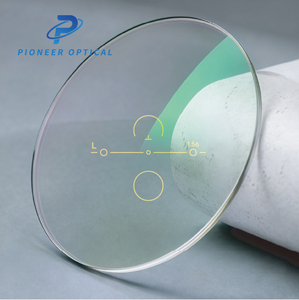
Global demand is surging for frames optimized for DIMS (Defocus Incorporated Multiple Segments) and H.A.L.T. lens technology. Sourcing teams prioritize frames with strict optical center retention, preventing the frame from sliding down the child’s nose to ensure the patient looks through the therapeutic zone continuously.

2. Bio-Circular & Non-Cytotoxic Raw Polymers

Procurement departments are setting strict sustainability criteria. Petroleum-based plastics are being replaced by castor oil-derived bio-based polyamides, biodegradable cellulose acetates, and zero-plastic recyclable packaging. Raw materials must satisfy REACH, RoHS, and California Proposition 65 without skin contact leachates.

3. Modular Replacement Architecture

Modern B2B brand programs demand field-serviceable frames. Modular temple-tips, snap-in silicone saddles, and swappable hinges allow optical clinics to replace high-wear components instantly at point-of-sale, dramatically lowering warranty claims and raising retail customer lifetime value (LTV).

Precision Manufacturing Paradigm

Evolutionary Advancements in Pediatric Eyewear Production

How state-of-the-art injection molding, multi-axis micro-milling, and biocompatible material science redefine safety and mechanical endurance for young wearers.

Zero-Screw Integrated Hinge Systems

Traditional miniature barrel screws loosen under continuous child play, posing aspiration risks and frequent customer returns. Modern OEM manufacturing implements inter-locking cam hinges, friction-fit ball joints, and elastomeric polymers that completely eliminate loose fasteners while surviving 50,000+ mechanical cycles.

Dual-Shot Multi-Density Injection

By fusing a rigid TR90 or Grilamid structural core with an outer wrap of soft-touch, anti-slip thermoplastic elastomer (TPE), frames attain rigidity for precise lens retention alongside skin-friendly comfort over delicate temporal bones and retro-auricular folds.

Digital 3D Anthropometric Prototyping

We leverage extensive facial surface topography datasets collected across multi-ethnic pediatric population cohorts. Utilizing SLS (Selective Laser Sintering) prototyping, our R&D lab tests fitting parameters across hundreds of bridge geometries within 72 hours, drastically reducing new SKU incubation cycles.

Enterprise Credibility · E-E-A-T Excellence

Why Tier-1 Eyewear Brands Partner With Our Foundry

With vertically integrated toolmaking, raw material polymer blending, certified cleanrooms, and stringent quality governance, we bring comprehensive supply chain resilience to global optical distributors.

End-to-End Vertical Manufacturing

From in-house mold tooling design with CNC accuracy down to ±0.01mm to automated injection and precision surface finishing, every production phase operates under closed-loop supervision, guaranteeing batch-to-batch repeatability on orders exceeding hundreds of thousands of units.

International Optical & Medical Certifications

All factory operations conform to ISO 9001, ISO 13485 (Medical Devices), and FDA manufacturing registrations. Frames withstand comprehensive testing including EN ISO 12870 bridge deformation, endurance cycling, sweat immersion corrosion, and cytotoxicity bio-compatibility tests.

Flexible OEM/ODM Customization Suites

We tailor solutions to your private label ecosystem: custom CMYK Pantones, anti-bacterial coatings, laser etched branding, specialized temple lengths, and co-branded retail accessory kits featuring drop-resistant magnetic cases, microfiber pouches, and adjustable elastic sport headstraps.

Procurement Knowledge Base

Frequently Asked Questions on Custom Kids Eyewear Manufacturing

Essential operational, technical, and regulatory clarity addressing the high-intent inquiries of optical chain executives and purchasing directors.

What certifications and safety test reports are mandatory for importing kids optical frames? +

For the North American market, frames must comply with FDA 21 CFR 801.410 (impact resistance), CPSIA (Consumer Product Safety Improvement Act) for lead and phthalate limitations, and California Prop 65. For the European Union, frames must adhere to EN ISO 12870:2018 (Ophthalmic Optics), Regulation (EU) 2017/745 (MDR as Class I Medical Devices), REACH Annex XVII for nickel release rates (<0.5 μg/cm²/week), and zero polycyclic aromatic hydrocarbons (PAH). Our factory provides full third-party test verification dossiers (SGS, TÜV, Intertek) with every shipment.

What is the typical Minimum Order Quantity (MOQ) for custom OEM production runs? +

For custom tooling and bespoke chassis molds (OEM), our standard MOQ is 1,200 units per model, supporting up to 3–4 colorways (300–400 units per color). For our open-mold ODM catalog designs utilizing custom private labeling and color formulations, MOQ begins at 300 units per SKU. Sample validation and rapid 3D functional prototypes are delivered within 7 to 10 working days prior to final mold cutting.

How do you guarantee frame stability for pediatric myopia control (DIMS/Defocus) lenses? +

Myopia management lenses rely on high-precision optical pupil alignment. If a frame slips down just 2–3mm, the therapeutic efficacy drops markedly. We engineer our kids frames with 3D anatomical silicone saddle bridges that distribute weight evenly across under-formed nasal crests, combined with 3D wrap-around cable temples or silicone retaining bands to anchor the optical center precisely in front of the child's visual axis.

What are the mechanical differences between Grilamid TR90, Silicone, and TPEE in manufacturing? +

Liquid Silicone Rubber (LSR): Extreme softness, non-allergenic, zero plasticizers, ideal for ages 0–3, but requires rigid lens grooving rings or internal metal sub-frames to keep high-power lenses from popping out.
TPEE (Thermoplastic Polyester Elastomer): Highly flexible and memory-resilient, bendable without breaking, suitable for ages 3–7.
Swiss Grilamid TR90: Exceptional dimensional stability, chemical resistance, lightweight, and capable of maintaining precise pantoscopic angles while providing superior aesthetic finishes for older children.

Can our brand request customized pediatric packaging and retail display sets? +

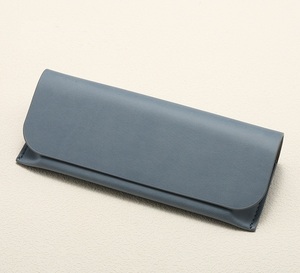
Yes. We provide complete private-label packaging engineering: child-friendly drop-proof cases made from recyclable EVA, PU, or non-toxic silicone, microfiber cleaning cloths printed with child-friendly characters via soybean-based inks, silicone anti-slip ear grips, and point-of-sale optical display counters configured specifically for eye clinic practices.

Accelerate Your Children's Eyewear Program

Collaborate with an engineering-focused OEM/ODM partner. Request technical datasheets, material safety compliance portfolios, and our complete wholesale kids optical catalog today.

Get Catalog