Aerospace-Grade Polyetherimide (PEI)

Custom OEM Ultem Glasses Frames Factories & Exporters

Precision micro-injection molding, ISO 12870 certified flexural endurance, and turnkey OEM/ODM export solutions for international optical brands, retail chains, and clinical distributors.

1.27 g/cm³
Ultra-Light Resin Density
217°C
Glass Transition (Tg) Rating
±0.02 mm
CNC & Injection Tolerance
100%
Biocompatible & Hypoallergenic
Curated Export Catalog

Precision Eyewear & Optical Systems Showcase

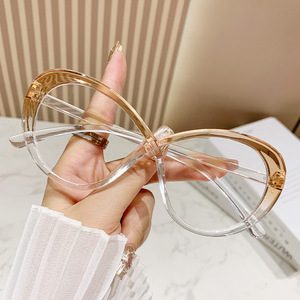
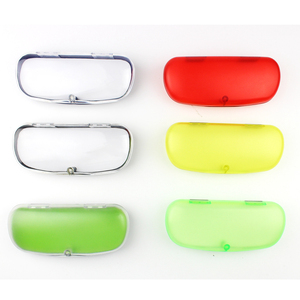
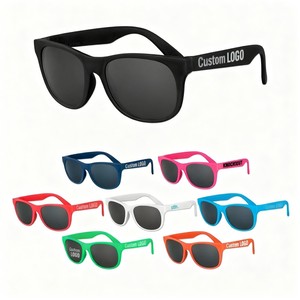
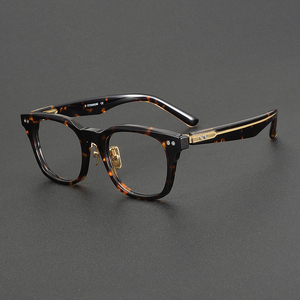
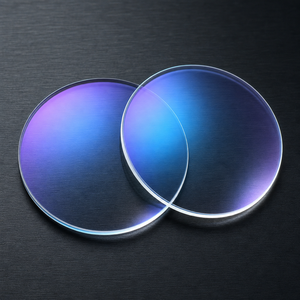
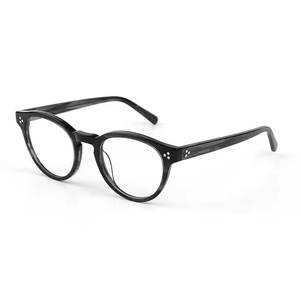
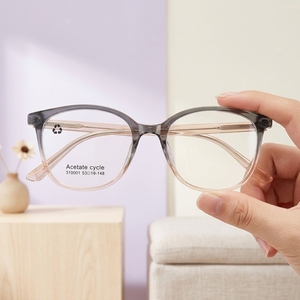
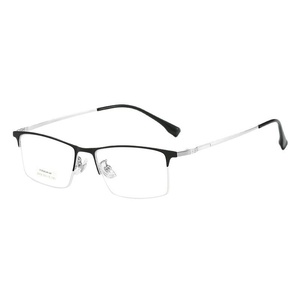
Explore our export-ready optical inventory, encompassing proprietary memory-flex polymer chassis, hand-finished multi-layer acetate profiles, medical-grade beta-titanium engineering, and coordinated turnkey dispensary packaging.

Polymer Physics & Metallurgy

Why Polyetherimide (Ultem/PEI) Outperforms Traditional Eyewear Polymers

A rigorous empirical analysis of structural characteristics: evaluating tensile strength, thermal endurance, moisture absorption, and dimensional recovery in high-volume optical production.

Extreme Flexural Elasticity

Ultem (PEI) demonstrates superior flexural recovery compared to Polyamide (TR90). Frames can endure continuous torsional deformation exceeding 360 degrees without permanent cold set, micro-cracking, or bridge splay, making it the premier choice for featherweight medical optics.

Thermal Integrity to 217°C

With an amorphous glass transition point (Tg) of 217°C, Ultem eliminates lens groove shrinkage and rim deformation during automatic edging and bench-top frame warming. Unlike standard acetate or nylon, it retains tight dimensional stability in extreme ambient climates.

FDA & ISO 10993 Biocompatibility

Inherently flame retardant (UL94 V-0 rating) and chemically inert, virgin Ultem resins require zero plasticizers or heavy metal stabilizers. It is completely hypoallergenic, resistant to dermatological lipids, facial sweat, and alcohol-based lens cleaning sanitizers.

Material Property Metric Ultem (PEI-1000) Grilamid TR90 (Polyamide) Cellulose Acetate Beta-Titanium alloy
Specific Gravity (Density) 1.27 g/cm³ (Featherweight) 1.14 g/cm³ 1.28 - 1.32 g/cm³ 4.50 g/cm³
Flexural Modulus (ISO 178) 3,300 MPa (High Rigidity) 1,600 MPa (Soft/Pliable) 2,100 MPa (Moderate) 105,000 MPa (Metallic)
Glass Transition Temp (Tg) 217 °C 140 °C 75 - 85 °C (Thermal Creep) > 600 °C
Tensile Strength at Yield 105 MPa 65 MPa 45 - 55 MPa 820 MPa
Cold-Set Memory Retention 99.4% post-deflection 88.2% post-deflection Poor (Requires Wire Core) 99.8% (Elastic Zone)
Optical Glazing Safety Exceptional Bevel Grip Prone to High-Minus Popping Stable with Heat Adjustment Requires Rimlock Screws
Market Intelligence

Emerging Procurement & Manufacturing Trends in Ultem Eyewear

Strategic perspectives for eyewear category buyers, chain store merchandisers, and private label importers navigating shifts in resin sustainability, co-molding, and intelligent frame architectures.

Trend 01 · Sustainable Chemistry

Mass-Balanced ISCC+ Bio-Circular PEI

Global optical retail conglomerates are enforcing corporate ESG benchmarks. The eyewear industry is transitioning from fossil-based monomers to certified bio-circular polyetherimide synthesized from non-food agricultural waste streams. Bio-based Ultem drops lifecycle carbon emissions by upwards of 42% while retaining identical tensile, flexural, and optical clarity indices.

Trend 02 · Hybrid Metallics

Co-Molded Ultem Fronts with Beta-Titanium

B2B buyer demand is pivoting rapidly toward structural hybrids: marrying ultra-slim (1.6mm) injection-molded Ultem front rims with vacuum-annealed Japanese Beta-Titanium wire temples. This configuration optimizes frontal face weight distribution, eliminates temple ear fatigue, and facilitates effortless three-axis optometric temple adjustments at dispensary points.

Trend 03 · Smart Eyewear Enclosures

Miniaturized Chassis for Audio & HUD Tech

As smart audio frames and assisted vision hardware scale into retail optical environments, Ultem has surfaced as the prime structural substrate. Its superior dielectric permittivity, heat dissipation properties, and structural stability under high internal battery thermals make it ideal for accommodating micro-PCBs, bone conduction transducers, and lithium-ion batteries.

Trend 04 · Micro-Surface Treatment

Vacuum PVD & Hydrophobic Ceramic Metallization

Historically, Ultem frames were limited in superficial tactile treatments due to resin lubricity. Advanced cleanroom vacuum Physical Vapor Deposition (PVD) and low-temperature ceramic sputter-coating now permit gunmetal, brushed bronze, and iridescent matte finishes that resist corrosive sweat abrasion under standardized 72-hour salt-spray validation (ISO 9227).

Trend 05 · Optical Clip-On Integration

Multi-Shade High-Energy Magnetic Assemblies

Wholesale distributors are leveraging Ultem’s precise molding tolerances to fabricate discreet sub-surface neodymium magnet cavities. Thin Ultem polarized sun lenses and amber blue-light filtering shields snap seamlessly onto primary prescriptive chassis with zero mechanical rattle, delivering substantial inventory turnover velocity for multi-scenario retail displays.

Our Engineering Advantage

Full-Cycle OEM/ODM Manufacturing Infrastructure

From custom 3D parametric mold creation to high-precision optical stamping and secondary surface artistry, our manufacturing ecosystem provides global brand owners with end-to-end assurance.

CAPABILITY 01

High-Pressure Micro Molding

Operating multi-cavity electric Sumitomo and Fanuc injection presses calibrated specifically for high-melt PEI temperatures (360°C - 400°C), preventing molecular shear degradation and flow lines.

CAPABILITY 02

Multi-Axis CNC Finishing

Post-injection mechanical beveling utilizes high-speed Swiss dental-grade 5-axis CNC cutters to achieve immaculate lens retention grooves that accept high-minus prescription lenses up to -8.00D.

CAPABILITY 03

Ultrasonic Hinge Anchorage

Integrated ultrasonic heat-staking systems embed high-nickel German OBE hinges and stainless steel hinge blocks cleanly into Ultem temples, guaranteeing pull-out strengths exceeding 220 Newtons.

CAPABILITY 04

Turnkey Packaging Ecosystem

Supplying complete boutique-ready packaging programs: custom debossed rigid cases, microfiber textiles, anti-counterfeit holographic certificates, and eco-conscious presentation packaging.

B2B Procurement Intelligence

Frequently Asked Questions on Ultem Frame Sourcing

Direct technical and operational clarifications for sourcing managers, quality assurance engineers, and private label optical brand directors.

What is the typical tooling lead time and MOQ for custom-molded OEM Ultem frames? +
For custom OEM private mold creation, steel tool fabrication (hardened H13 or S136 tool steel) typically requires 30 to 35 business days from CAD review and DFM (Design for Manufacturability) sign-off. First-article T1 inspection samples are dispatched via express courier within 5 days of mold completion. Production Minimum Order Quantities (MOQs) standardly begin at 300 to 500 units per colorway, with total order thresholds of 1,200 units across an assorted collection.
How does the factory prevent color fading, yellowing, or skin-oil peeling on Ultem frames? +
Because virgin polyetherimide possesses a characteristic natural amber hue, achieving translucent pastels, deep blacks, or vibrant crystal finishes demands advanced pre-colored compound extrusion with high-heat inorganic pigments. For coated external aesthetics, we utilize a specialized dual-cure polyurethane primer followed by an automotive-grade UV-curing elastomeric clear coat. This passes rigorous artificial sweat immersion tests (pH 4.7 for 48 hours) and cross-hatch adhesion evaluations (ASTM D3359 Class 5B).
Can Ultem frames be glazed with high-minus (-6.00D or higher) corrective ophthalmic lenses safely? +
Yes. Unlike lower-grade nylon (TR90) frames that flex excessively and risk lens expulsion during lateral impact, Ultem features a flexural modulus of 3,300 MPa. This stiffness maintains the lens groove geometry rigidly intact under peripheral base curve pressures. Technicians can cold-glaze CR-39, Polycarbonate, and 1.67/1.74 high-index lenses without rim warmers, ensuring stable optical axis alignment and preventing astigmatic aberrations caused by frame pinching.
What quality certifications and compliance benchmarks do your export frames meet? +
All manufactured frames comply strictly with international eyewear safety and consumer standards: ISO 12870 (Ophthalmic Optics – Spectacle Frames), CE marking compliance under European Medical Device Regulation (EU MDR 2017/745 Class I), UKCA conformity, and US FDA device registration (21 CFR 886.5844). Furthermore, materials are verified free of phthalates, bisphenol-A (BPA), and nickel-release under REACH Regulation (EC) No 1907/2006.
Can our private label brand integrate custom temple core wires or spring hinges into Ultem? +
Absolutely. While classic Ultem temples operate without internal metal reinforcements due to the resin's inherent structural memory, our engineering lines can co-mold custom stainless steel or nickel-silver interior core wires for opticians who prefer manual cold-bend ear adjustments. We also specialize in screwless hinge designs, cam-lock friction hinges, and integrated spring hinges tailored to high-wear retail settings.
What testing procedures are conducted prior to wholesale shipping release? +
Every export lot undergoes multi-point Quality Assurance: 20,000-cycle bridge flex endurance cycling without plastic deformation, 15,000-cycle hinge open-close torque validation, drop-ball lens retention verification (ANSI Z80.3), spectrophotometric color-difference matching (Delta E < 0.5), and optical bench squaring to confirm horizontal hinge parallelism within 0.5 mm tolerances.

Architect Your Custom OEM Ultem Collection

Initiate direct communication with our optical engineering team. Receive comprehensive CAD design assessments, custom mold cost amortizations, and sample kits curated for high-performing retail assortments.

Contact Us