White Paper & Sourcing Matrix: High-Transmittance Cellulose Acetate, Multi-Barrel Hinge Stabilization, & Turnkey Private Label Manufacturing for Global Optical Brands
Curated Trade Assortment
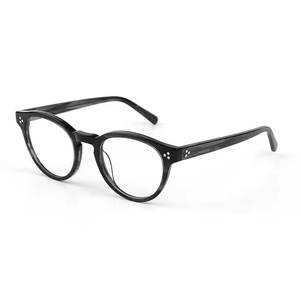
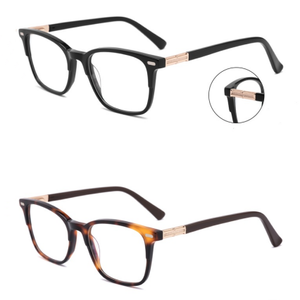
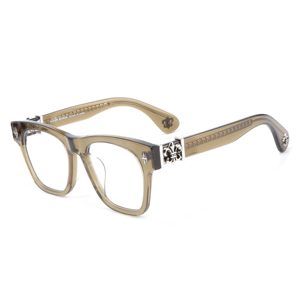
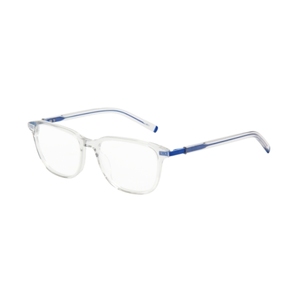
Featured OEM/ODM Transparent & Core Acetate Frames
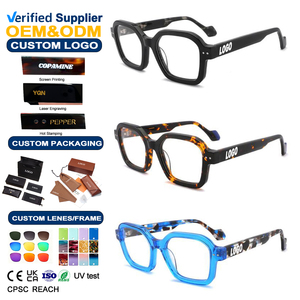
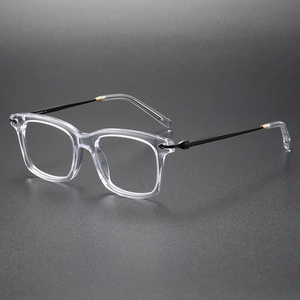
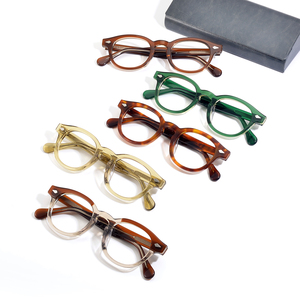
Precision-engineered optical spectacle frames manufactured with premium cellulose acetate flakes, precision-milled multi-barrel hinges, and crystal-clarity laminations. Ready for OEM brand printing, custom pantone adjustments, and ODM structural customizations.
The Polymer Physics of Optical-Grade Clear Acetate
In commercial optical manufacturing, transparent and crystal acetate spectacle frames represent the most demanding technical threshold. Unlike pigmented or opaque tortoise plates, transparent cellulose acetate permits zero subsurface defects, no internal micro-bubbles, and zero thermal degradation yellowing. Formulated from premium wood pulp and cotton linters reacted with acetic anhydride, optical-grade cellulose acetate flake must be plasticized with non-phthalate stabilizers to maintain optical purity, mechanical pliability, and long-term dimensional retention.
Anti-UV & Thermal Yellowing Resistance
Standard industrial acetate deteriorates under solar irradiation, turning unappealingly amber. Our export-grade clear acetate formulations integrate hindered amine light stabilizers (HALS) and specialized UV-absorber chemistry (UV-326), passing 120-hour accelerated xenon arc exposure with ΔE < 0.8 color variance.
High-Yield Curing & Zero Shrinkage
Freshly sliced acetate sheets contain residual solvents that cause post-assembly bridge warping. We subject our raw plates to an automated 72-hour thermal conditioning cycle at 60°C with controlled dehumidification, reducing shrinkage rate below 0.15% to guarantee stable lens bevel retention under prescription glazing.
Wire-Core Aesthetic Integration
Because crystal clear temples reveal the inner metal architecture completely, we offer custom relief-engraved, guilloché-patterned, and 24K gold/rhodium-plated stainless steel or nickel silver wire cores. Temples undergo heated hydraulic shooting with ±0.2mm centering accuracy to eliminate visual eccentricity.
Procurement Matrix
Material Comparison for Transparent Optical Eyewear
Selecting the proper polymer matrix is essential for retail sell-through and brand positioning. Below is a bench-tested comparative breakdown between CNC Machined Cellulose Acetate, Injection Molded TR90/Polycarbonate, and Eco Bio-based Acetate.
Future Procurement Trends: Where Transparent Eyewear is Heading
Market consumption analysis across North America, Europe, and Asia-Pacific demonstrates that transparent acetate frames have transitioned from a passing seasonal trend into a permanent evergreen pillar of retail collections. Sourcing directors and private-label optical entrepreneurs must capitalize on several key micro-trends driving wholesale reorders.
Pure transparent water-clear frames now share shelf space with subtle architectural tints: vintage champagne, moss crystal, gradient ash grey, and transparent cerulean blue. Furthermore, 2-layer co-lamination (e.g., solid tortoiseshell brows bonded to crystal-clear bottom rims) provides optical depth without obscuring wearer facial symmetry.
2. 8mm to 10mm Bold Beveled Milling
Moving away from ultra-slim minimalist profiles, contemporary boutique eyewear prioritizes 8.0mm to 10.0mm heavyweight raw blanks that are 3D-sculpted with pronounced diamond-cut bevels on the exterior rims. In crystal clear acetate, these multifaceted chamfers refract incident light like cut crystal while maintaining lightweight wearing comfort.
European Union directives and global consumer ESG sentiment are pushing optical retail towards phthalate-free, plant-derived plasticizers (such as triethyl citrate). Our factory stocks certified Bio-Based cellulose acetate conforming to ISO 17088 and OECD 301B standards, offering zero sacrifice in crystal optical clarity or tensile stability.
Turnkey OEM/ODM Capabilities
From Blueprint CAD to Finished Retail Boxing
Our manufacturing facility bridges bespoke craftsmanship with computer-controlled automation. Below is the full operational pathway implemented for every private label order, ensuring optical shops and wholesale distributors receive ready-to-sell inventory.
Stage 01
CAD & 3D Prototyping
Translating sketches or reference samples into 2D technical drawings and 3D SLA resin physical prototypes within 5-7 business days for ergonomics validation.
Stage 02
5-Axis CNC Milling
Precision cutting of optical fronts, internal lens groove v-bevels, and bridge curves from conditioned acetate sheets, guaranteeing exact symmetry.
Stage 03
Triple Drum Tumbling
72 hours of multi-stage tumbling across coarse beechwood chips, fine walnut granules, and micro-buffing wax pastes to achieve deep mirror clarity.
Stage 04
Hardware & QA Boxing
5- or 7-barrel hinge pinning, temple alignment, optical flat check, laser logo marking, and comprehensive 5-piece retail packaging assembly.
Enterprise Strength
Why Independent Chains & International Distributors Choose Us
We understand that in competitive optical retailing, high margin is meaningless if frames suffer from misaligned pantoscopic angles, fragile hinges, or customer returns due to slipping bridges. Our engineering team designs for real human facial profiles and dependable optician bench handling.
Asian & Universal Fit Ergonomics
Customizable nose pad geometries including elevated 3D integrated acetate nose bridges, titanium arm-pad adaptations, and tailored pantoscopic tilt angles to suit diverse ethnic demographics.
Flexible Low-MOQ Pilot Programs
Support for emerging designer brands and independent chain testing with agile production scheduling: ready-to-ship catalog models with customized private branding from as low as 50-100 units per style.
Full 5-Piece Retail Packaging Kits
Elevate brand perception right out of the box. Complete branded collateral solutions: rigid leatherette folding cases, magnetic gift boxes, microfiber cleaning cloths, shopping bags, and warranty guarantee cards.
Global DDP Logistics & Customs Clearance
Comprehensive export documentation, CE / FDA drop ball certifications, tariff classification (HS Code 9003.11), and express DDP shipping directly to your optical warehouse or fulfillment center.
Procurement Knowledge Base
Frequently Asked Questions by Optical Buyers & Importers
Clear answers to the essential commercial and technical inquiries optical shop directors and eyewear importers ask before placing private-label purchase orders.
What is the minimum order quantity (MOQ) for custom clear acetate frames?+
For full bespoke ODM production (custom CAD tooling, proprietary sheet color development, and bespoke metal wire cores), our baseline MOQ is typically 300 pieces per style with up to 3 color variations (100 pieces per colorway). However, for our existing in-stock curated catalog frames (such as the 8 models featured above), we support private label branding (laser engraving on temples and demo lenses) starting at just 50 to 100 pieces, enabling retailers to test market sell-through with low capital commitment.
How do you guarantee that clear acetate frames will not turn yellow over time?+
Preventing photo-oxidative degradation is achieved through three rigorous quality protocols: (1) Sourcing strictly virgin cellulose acetate flakes compounded with high-performance Hindered Amine Light Stabilizers (HALS) and UV-absorbing chemical agents; (2) Utilizing non-aromatic, high-purity plasticizers that resist thermal oxidation; and (3) Stringent batch testing under 120 hours of simulated Xenon UV solar radiation. We guarantee clear frames retain glass-like transparency for a minimum of 24 months under normal retail and wear conditions.
Can clear acetate frames accommodate high-index prescription lenses without popping?+
Yes. The integrity of lens retention depends entirely on precision groove milling. Our 5-axis CNC cutters carve standard 110° to 115° V-shaped optical bevels with depth tolerances of ±0.05mm. Furthermore, our 72-hour thermal stabilization process eliminates internal plastic stress, preventing frame contraction or warping when high-minus or high-cylinder optical lenses (1.67, 1.74 index) are edged and mounted by your dispensing opticians.
What hinge mechanics and wire core hardware are used in your clear frames?+
Because transparent temples expose the internal mechanics, we exclusively use premium OBE (Germany) or high-grade precision domestic 5-barrel and 7-barrel hinges pinned through traditional hydraulic heat-insertion or decorative Japanese twin-rivet construction. Wire cores can be selected in raw German silver, stainless steel, or titanium, complete with custom laser-engraved or stamped filigree patterns and electroplated in 18K/24K gold, rose gold, gunmetal, or polished rhodium.
What international eyewear certifications and compliance standards do you meet?+
All manufactured frames comply fully with ISO 12870 (Ophthalmic Optics – Spectacle Frames), CE medical device regulations (MDR 2017/745 Class I), US FDA registration (21 CFR 801.410 impact drop-ball test compliance for optical lenses/frames), and REACH Regulation (EC) No 1907/2006 for nickel release (EN 16128) and phthalate restrictions. Official testing reports from accredited third-party laboratories (SGS / Intertek) are available upon request.
What is the standard production lead time for sample development and bulk export?+
Our standard product development cycle operates with predictable milestones: CAD 2D/3D schematics are finalized in 3–5 working days. Physical CNC working samples or SLA prototypes require 12–18 days. Following physical sample sign-off, bulk production requires 45–60 days depending on whether custom acetate sheet colors need extrusion. For in-stock catalog models with private-label logo printing, dispatch takes place within 10–15 business days via air freight (FedEx/DHL/UPS) or sea container.