
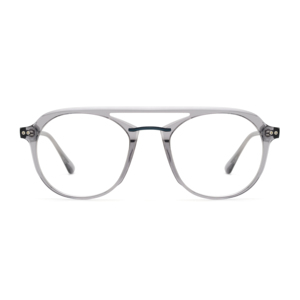
Handmade Cellulose Acetate
Sourcing Guides
wholesale optical frames acetate optical frames wholesale tortoiseshell acetate frames cellulose acetate spectacle frames hand-finished acetate eyeglasses rectangle acetate optical frames square acetate optical frames titanium optical frames wholesale Global Service Top SearchCompany
About Elistro Dealer Program ContactExplore our benchmark frame architectures engineered for private label optometry collections, high-volume retail chains, and clinical dispensary distributors. Full CAD/CAM tooling customization available across all silhouettes.
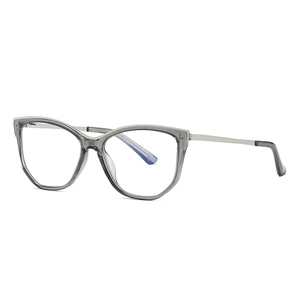
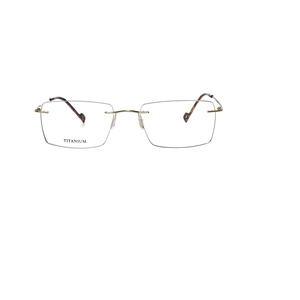
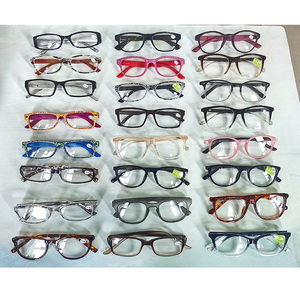
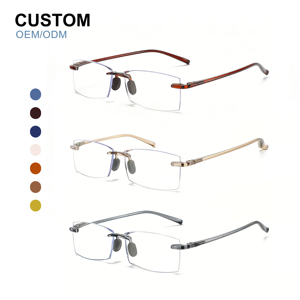
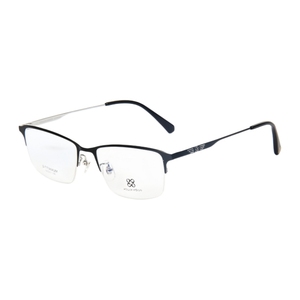
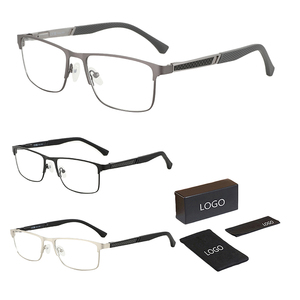
In modern optical retail, brand differentiation relies on microscopic manufacturing standards: bevel symmetry, hinge torque stability, hypoallergenic surface integrity, and seamless lens glazing compatibility. Our enterprise framework provides end-to-end assurance from raw billet to dispensary display.
We source medical-grade Japanese beta-titanium wires, high-density extruded Mazzucchelli cellulose acetate blocks, and Swiss EMS Grilamid TR90 pellets. Raw materials undergo spectrum chemical verification to certify zero-nickel release, complying strictly with REACH Annex XVII and California Proposition 65 directives.
Our custom optical chassis are machined utilizing multi-axis high-speed CNC centers achieving dimensional tolerances within ±0.02mm. This eliminates uneven bevel groves, preventing ophthalmic lens slippage, edge chipping, and stress-induced refractive aberrations during lab glazing.
Unlike automated mass-market tumbling that erodes geometric bevel definition, our cellulose acetate undergoes a 96-hour multi-stage wet and dry barrel cycle with natural beechwood pegs, pumice stones, and micro-crystalline polishing pastes, followed by manual hand-buffing by master craftsmen.
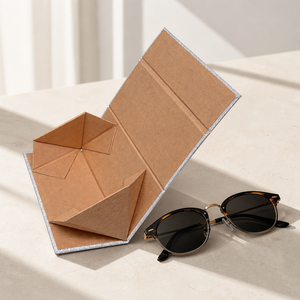
Every SKU is packaged within an export-ready private-label retail suite: customized rigid collapsible or triangular cardboard case, bespoke high-GSM microfiber cleaning cloth, branded hard presentation box, embossed tote bag, and serial numbered warranty certificate.
Evaluating material selection against tensile yield strength, specific density, hypoallergenic properties, and laboratory glazing compatibility to match specific retail brand positioning.
| Substrate Material | Specific Density (g/cm³) | Tensile Yield (MPa) | Hypoallergenic Rating | Glazing Flexibility | Recommended Consumer Persona |
|---|---|---|---|---|---|
| Japanese Beta-Titanium (Ti-15V-3Cr-3Sn-3Al) | 4.51 Ultra-Light | 980 - 1050 | 100% Biocompatible (ISO 10993) | High (Super-elastic cold mounting) | Executive, active professional, ultra-minimalist rimless |
| Pure Titanium (Grade 2 / Ti-99.2%) | 4.50 | 350 - 450 | 100% Nickel-Free / Medical Grade | Medium (Requires heated wire insertion) | Classic luxury half-rim, timeless business eyewear |
| Cellulose Acetate (Bio-Based Flakes) | 1.28 | 60 - 85 | Excellent (Skin contact inert) | Exceptional (Thermoplastic memory at 60°C) | Fashion statement, retro aviators, luxury bold silhouettes |
| Swiss EMS TR90 (Polyamide 12) | 1.02 Floats on Water | 75 - 90 | Medical Food-Contact Grade | Rigid (Cold snap insertion only) | Kids, sports performance, progressive cat-eye eyewear |
| Aero-Grade Pre-Preg Carbon Fiber | 1.55 | 1200+ | Inert Matrix (Hypoallergenic) | Specialist CNC grooving only | High-tech enthusiast, precision lightweight luxury |
| Austenitic Stainless Steel (SUS304L/316L) | 7.90 | 520 - 680 | Good (PVD Barrier Required) | High (Standard optical lab adjustment) | Discreet architectural wireframes, high-volume retail |
The global eyewear landscape is experiencing a paradigm shift driven by biometric ergonomics, circular sustainability criteria, and hybrid metallurgical assemblies. Our R&D department tracks and implements the critical manufacturing disciplines shaping global dispensary demands.
Traditional cellulose acetate utilizing diethyl phthalate (DEP) plasticizers is rapidly being phased out by European and North American regulatory mandates. The vanguard of frame manufacturing utilizes organic plant-based triethyl citrate plasticizers combined with FSC-certified wood pulp and cotton lint fibers.
Mechanical hinge micro-screws remain the number one failure point in optical frames, accounting for over 68% of post-purchase consumer warranty claims. Leading OEM frameworks adopt micro-laser cut interlocking cams, continuous flexural leaf springs, and high-performance PEEK barrel inserts.
The convergence of diverse material properties within a singular frame front—such as structural Beta-Titanium inner cores enveloped by injection-molded TR90 or ultra-thin 3.0mm CNC-milled acetate rims—represents the pinnacle of contemporary frame architecture.
Purchasing executives and independent retail consortiums must navigate supply chain resilience, SKU rationalization, and condensed production lead times. Below are the key strategic procurement shifts dominating institutional RFQs.
Brands are shifting away from sprawling 200-SKU catalogues toward tight, high-turnover capsule assortments (12–18 core silhouettes). By utilizing standardized modular hinge mounts and shared temple cores across distinct eye shapes, brands lower upfront tooling CAPEX by up to 40% while preserving custom variety.
Traditional brass master sample iteration cycles of 45 days have been compressed into 72 hours via stereolithography 3D print resin modeling. Purchasing managers validate face fit, bridge splay angles, and temple sweep ergonomically before approving hardened steel injection dies and CNC tooling paths.
With optical frames classified as Class I Medical Devices under EU 2017/745 (MDR) and US FDA 21 CFR 886.5844, procurement contracts require full technical documentation dossiers (TDF), biocompatibility cytotoxicity testing, and strict factory batch serialization from raw ingots to final casing.
Retailers are eliminating third-party kitting warehouses. Factory-level integration now encompasses complete pre-assembled packaging—branded presentation boxes, micro-fiber cloths with custom debossed logos, Barcode/EAN-128 labeling, and demo lens laser-etching—ready for direct optical dispensary distribution.
Authoritative technical, logistical, and commercial guidelines for brand founders, chain buyers, and optical product engineers.
For custom acetate optical frames requiring proprietary color laminations or bespoke acetate sheet casting, our standard MOQ is 300 pieces per model (divided across up to 3 colorways, 100 pcs/color). For stock acetate sheets, MOQs can be lowered to 100 pieces per style. For Pure Titanium and Beta-Titanium frames requiring bespoke stamping and wire EDM tooling, the production threshold is 300 pieces per silhouette due to specialized vacuum brazing and PVD ion plating batch minimums.
We engineer distinct ergonomic biometric fits: standard European/Western Fit (narrow bridge 16-18mm, high nose pads, steep pantoscopic tilt) and Global/Asian Fit (wider pad arms, reduced pantoscopic angle, 19-21mm bridge base curve, built-up acetate saddle nose bridges). Detailed 2D technical drawings specify bridge width, vertex distance, and temple camber to match your target geographic demographic.
All stainless steel, Monel, and titanium frames receive physical vapor deposition (PVD) vacuum ion plating with a protective transparent electrophoretic coating (cataphoretic lacquer). Our finishes undergo 48-hour synthetic sweat immersion testing (ISO 12870 clause 4.8) and standard 24-hour salt spray corrosion testing without pitting, discoloration, or delamination, guaranteeing complete nickel release conformity (EN 16128).
Our quality control covers mechanical and visual checkpoints: hinge torque friction consistency (0.15–0.30 N·m initial resistance), frame symmetry bench alignment on granite flat plates (tolerance within 0.5mm), ophthalmic lens groove depth and bevel angle uniformity (110°–120° V-bevel), spring temple endurance testing (minimum 20,000 cycles), and cross-hatch adhesion testing (ISO 2409 Class 0) on all electroplated components.
We accommodate both collaboration paths. If you have proprietary 2D vector files (.AI, .DXF, .DWG) or 3D parametric solids (.STEP, .IGES), our engineering team performs Design for Manufacturability (DFM) verification within 48 hours. Alternatively, our in-house optical styling studio can develop complete collections based on reference mood boards, generating photorealistic 3D keyshot renders, dimensioned spec sheets, and 3D print functional mockups.
We utilize optical-grade, dimensionally stable acrylic (PMMA) or hard-coated polycarbonate demo lenses with a standard 4.50 to 6.00 base curve to retain exact eye-wire shape during transoceanic cargo transport. The lens bevel precisely mirrors standard ophthalmic edging, allowing opticians and automated patternless edgers to trace the chassis or read the dummy lens with zero frame deformation or rim warpage.
Rapid SLA 3D printed resin prototypes require 3–5 working days; fully hand-crafted acetate or welded metal bench approval samples require 20–25 days. Once pre-production gold seals are confirmed, mass tooling and assembly cycles require 45–60 days depending on material complexity (e.g., custom acetate aging and curing cycles require a minimum of 14 days to stabilize internal moisture and prevent post-sale warping).
Every commercial consignment is supported by comprehensive regulatory dossiers including CE Declaration of Conformity (EN ISO 12870:2018), FDA registration (Device Listing and Owner/Operator Number), complete material chemical SDS sheets, drop-ball impact test certificates (for glazed plano lenses), and non-wood packaging declarations for customs tariff expediting.
Initiate direct technical consultation with our optical engineering team. Receive detailed tooling cost estimates, CAD layout reviews, and bespoke private-label packaging proposals tailored to your brand's commercial roadmap.