
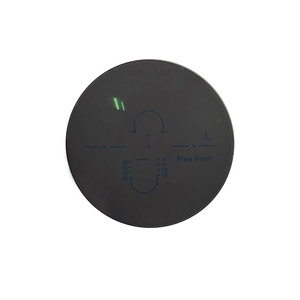
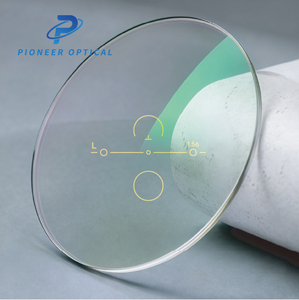
1.61 Free Form Progressive Prescription Resin Lenses (HMC 2C Curve)
- Refractive Index: 1.61 MR-8 Resin
- Coating: Hydrophobic HMC
- Base Curve: 2C Optimized
Sourcing Guides
wholesale optical frames acetate optical frames wholesale tortoiseshell acetate frames cellulose acetate spectacle frames hand-finished acetate eyeglasses rectangle acetate optical frames square acetate optical frames titanium optical frames wholesale Global Service Top SearchCompany
About Elistro Dealer Program ContactEngineered to deliver seamless vertical optical progression with optimized pantoscopic angles and minimal lateral aberration zones for discerning prescription wearers.
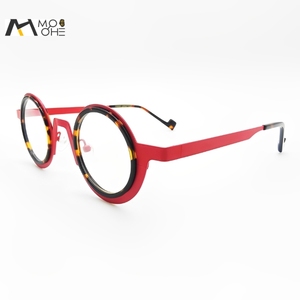
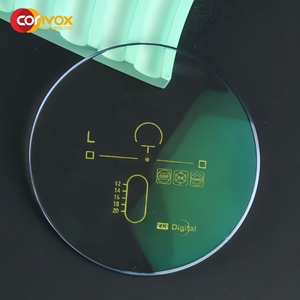
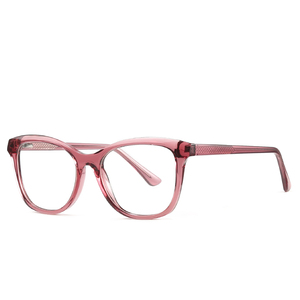
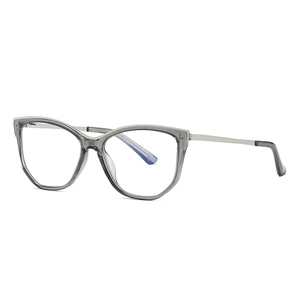
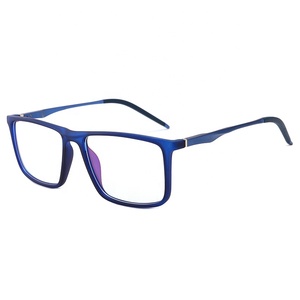
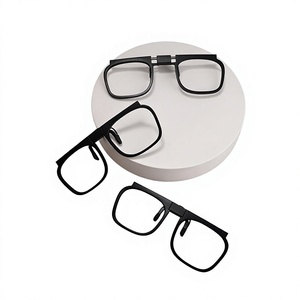
A technical overview for optical chain buyers, wholesale distributors, and ophthalmic lab procurement directors managing multi-market supply networks.
The engineering landscape of progressive lens frames (PAL compatible) requires tolerances significantly tighter than those of standard single-vision spectacle chassis. Because progressive addition lenses incorporate a seamless gradient of refractive power—spanning distance, intermediate, and near viewing corridors—even microscopic misalignments in the frame can induce heavy unwanted astigmatic blur, peripheral swimming sensations, and restricted fields of view.
A premier optical exporter must control key geometric parameters: the B-measurement (minimum vertical depth must strictly meet or exceed 28 mm to 34 mm for conventional progression corridors), the vertex distance (fixed at 12 mm to 14 mm to stabilize effective power curves), the pantoscopic tilt (reliably held at 7° to 10° via high-tensile temple cores), and the frame wrap angle (facial form angle within 4° to 5°). Failure at the manufacturing stage to maintain bridge rigidity or cold-bend stability leads to immediate field failure upon glazing.
Global optical retail procurement strategies demonstrate an accelerating shift toward advanced composites. Cellulose acetate remains an essential luxury staple, requiring rigorous post-curing to eliminate internal plasticizer migration and minimize ambient frame warping. When used in progressive glazing, high-density acetate (HDCA) provides increased tensile rigidity at narrower cross-sections, securely anchoring high-index 1.67 and 1.74 progressive free-form lenses without rim expansion.
Concurrently, clinical-grade Beta-Titanium and drawn stainless steel alloys deliver the flexural modulus demanded by presbyopic executives and screen-intensive professionals. The inclusion of micro-adjustable surgical titanium pad arms allows dispensing opticians to precisely regulate pantoscopic inclination and segment heights directly to individual pupil centers—an absolute necessity for high-addition prescriptions (+2.00D to +3.50D).
How digital surfacing, demographic changes, and smart biometric integration are reshaping global bulk sourcing protocols.
Global optical buyers are systematically phasing out conventional cast progressive blanks in favor of dynamic point-by-point digital CNC surfacing. Frame exporters now engineer rim bevels precisely matched to 4K free-form calculations, preventing optical distortion caused by mechanical frame tension.
Driven by prolonged digital workspace use, corporate procurement demands frames designed for extended intermediate vision corridors. Sourcing managers focus on deeper, squared profiles that accommodate dedicated computer progressive geometries with minimal vertical head movement.
Regulatory frameworks in the EU (CE) and US (FDA) increasingly incentivize sustainable optical polymers. Leading progressive frame manufacturers are transitioning to phthalate-free, plant-based cellulose acetate and certified recycled medical titanium to meet institutional ESG requirements.
A rigorous engineering comparison to guide international optical procurement directors in inventory selection.
| Substrate Class | Tensile Rigidity | Adjustment Memory | Ideal Rx Index Range | Optometric Dispensing Advantage |
|---|---|---|---|---|
| Cellulose Acetate | High (Warm Formed) | High Core Wire Hold | 1.50 – 1.74 Indices | Conceals thick edge profiles in heavy hyperopic/myopic adds. |
| Pure Beta-Titanium | Ultra-High Elastic | Total Spring Return | 1.60 – 1.67 High Index | Zero dermatological reactivity; all-day executive ergonomics. |
| Swiss Grilamid TR90 | Flexible/Tough | Thermal Memory | 1.56 – 1.61 Mid Index | Resistant to sports impact; exceptional lightweight comfort. |
| Stainless Steel Rimless | Ultra-Fine Structural | Controlled Bend Point | 1.60 – 1.67 High Impact | Maximizes peripheral visual field with zero perimeter obstruction. |
Combining traditional bench-work craftsmanship with modern B2B export logistics to supply optical retailers across global markets.
Every frame includes full millimetric specifications: lens width, bridge distance, temple length, and vertical B-dimension. Optical buyers can curate assortments with complete dimensional transparency.
Every frame front is cut, filed, hand-polished, and hinge-aligned to ensure clean bench seating. This eliminates post-glazing frame warping and minimizes returns across retail partner networks.
Every exported unit arrives counter-ready with five branded items: outer gift box, branded shopping bag, hard-shell protective case, microfiber cloth, and an authenticity warranty card.
Headquartered in Kathmandu, Elistro actively supplies optical chains and wholesale dealers in Nepal, India, Sri Lanka, Maldives, Bangladesh, and broader international markets with rapid dispatch.
Essential guidance covering technical requirements, regulatory compliance, optical glazing, and wholesale distribution terms.
Review current wholesale catalogue pricing, request verified production samples, and discuss dealer programs across key international distribution territories.
Get a Quote