OEM/ODM Precision Optical Engineering: High-Density Cellulose Acetate, Ultra-Lightweight Beta-Titanium, and Ergonomic Frame Solutions for Global Optical Brands and Distributors.
650,000+
Monthly Unit Capacity
±0.05mm
5-Axis CNC Precision
AQL 1.0
Optical Inspection Standard
48h / 25d
Rapid CAD / Mass Production
Factory Direct Portfolio
Precision Optical & Presbyopic Eyewear Lines
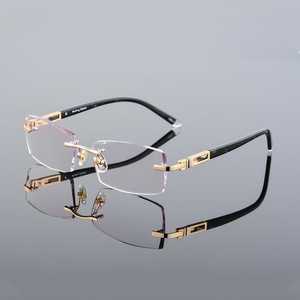
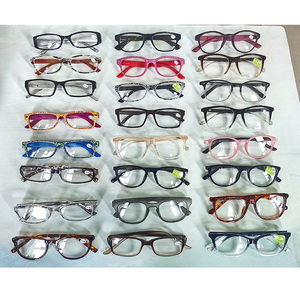
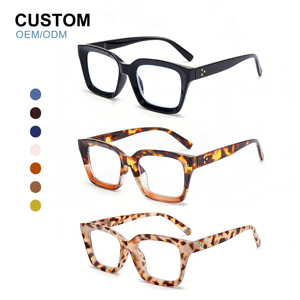
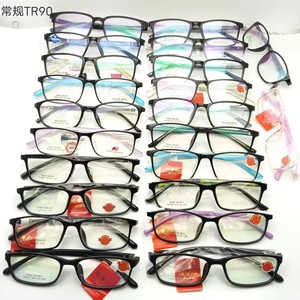
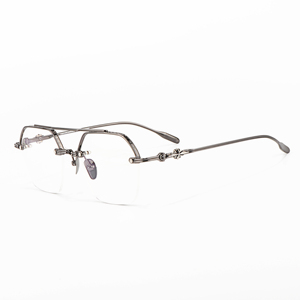
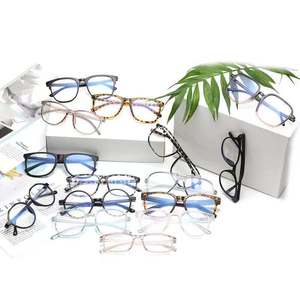
Direct supply from China's premier production floors. Below are eight core production-line frames and auxiliary luxury packaging configurations built for high-turnover optical retail and global distributor networks.
1. The Industrial Evolution and Engineering Architecture of Cat Eye Frames
Cat eye frames represent an enduring pillar of eyewear design, blending sculptural aesthetics with strict ophthalmic engineering constraints. Conceived in the mid-1930s by Altina Schinasi as a creative departure from conventional round and utilitarian horn-rimmed eyeglasses, the silhouette pioneered an architectural sweep that mirrored the brow line. For optical wholesale distributors, supply chain procurement managers, and eyewear brand founders, the modern cat eye frame is no longer simply a vintage statement; it is an engineered geometry balancing mechanical center-of-gravity, pantoscopic tilt (typically calibrated between 7° and 10°), and apical bridge distribution.
Historically, early cellulose nitrate fabrications presented flammability hazards and dimensional instability under ambient temperature variations. Over decades of metallurgical and polymer science refinement, modern Chinese OEM manufacturing ecosystems have transitioned the silhouette toward ultra-stable cellulose acetate, injection-molded Grilamid TR90, cold-forged stainless steel, and aerospace-grade beta-titanium alloys (β-Ti). The engineering challenge inherent to cat eye frames lies within the upward extended end-pieces: because the geometric center of the lens often diverges by 3mm to 6mm from the frame's structural midline, edge-thickness distribution for progressive lenses demands extreme structural rigor at the chassis temporal corners to eliminate frame torque and lens warping.
Technical Specification Note for Opticians & Sourcing Engineers:
When sourcing deep-drawn or sharp-winged cat eye profiles, verify that the bevel angle is cut at exactly 110° to 120° to accommodate higher index lenses (1.67 and 1.74 ultra-thin prescriptions). Deficient groove depth at the temporal wings can cause high-minus lenses to pop out under thermal frame contraction. Our automated CNC five-axis milling centers mill to a ±0.05mm tolerance, preserving total edge-bevel integrity across all cat eye silhouettes.
In high-tier Chinese contract manufacturing clusters (notably Shenzhen, Wenzhou, and Danyang), the cat eye manufacturing paradigm has split into three distinct mechanical archetypes: monolithic sculpted acetate, lightweight drawn-wire metal/titanium, and hybrid construction combining acetate rim caps with metal chassis. Each architecture mandates specialized tooling, custom five-barrel or seven-barrel German OBE-style hinge anchoring, and disciplined ultrasonic degreasing cycles prior to final surface finishing.
Manufacturing Metallurgy & Polymers
Core Materials & Structural Engineering Standards
Evaluating the material science that defines luxury hand-feel, structural fatigue thresholds, and prolonged skin biocompatibility in modern frame production.
High-Density Cellulose Acetate
Extracted from renewable cotton linter and wood pulp flakes, cured for 60 to 90 days in thermal kilns to relieve residual internal mechanical stress. Yields unparalleled color saturation (tortoiseshell, layered gradients, crystal translucents), high surface hardness, hypoallergenic safety, and heat-adjustable temple tailoring for professional dispensing opticians.
Aerospace Beta-Titanium Alloys
Combining 74% pure titanium with vanadium and aluminum matrix additions, β-titanium endows cat eye eyewires and flexible temple arms with extreme super-elastic memory and tensile fatigue resistance. With a nominal density around 4.5g/cm³, frames register featherlight weights down to 8.5 grams without sacrificing frontal structural rigidity or corrosion resistance against galvanic sweat degradation.
Medical-Grade Grilamid TR90
A Swiss-engineered polyamide transparent polymer featuring a low density of 1.05g/cm³ and remarkable impact memory. Fabricated via ultra-high-pressure injection molds, TR90 cat eye frames are nearly unbreakable under flexural stress, inherently resistant to UV cracking, and optimal for mass-market optical programs, digital screen-protection glasses, and pediatric prescription lines.
Material Category
Specific Density (g/cm³)
Flexural Yield Strength (MPa)
Recommended Bevel Profile
Target Consumer Demographic
Primary Sourcing Advantage
Block Cellulose Acetate
1.28 – 1.32
85 – 115
Standard V-Bevel (115°)
Boutique Fashion, Luxury Retail
Infinite custom color laminations & hand-polished gloss
Beta-Titanium (β-Ti)
4.45 – 4.52
820 – 960
U-Groove / Rimless Facet
Executive, Long-Duration Daily Wear
Zero nickel content, featherlight mass, non-allergenic
SUS304/SUS316 Stainless
7.90 – 8.00
520 – 680
Thin Wire V-Bevel (110°)
Commercial Optical Chains
High tensile strength, slender geometric profiles, cost-effective
Grilamid TR90 (Polyamide)
1.02 – 1.06
130 – 165
Deep Step-Bevel (120°)
Active, Blue-Light Digital, Fast-Fashion
High impact shock resistance, rapid automated cycle output
Acetate-Metal Hybrid
Variable (Composite)
Composite Rigidity
Dual Mechanical Anchorage
High-End Independent Optometry
Combines the visual mass of acetate with titanium adjustability
Western regulatory mandates (EU REACH, RoHS, and California Prop 65) are accelerating the demand for phthalate-free, diethyl phthalate-free (DEP-free) bio-acetate derived from plant plasticizers. Sourcing contracts are explicitly shifting toward ISO 14855 biodegradable certifications, requiring Chinese contract factories to guarantee chain-of-custody documentation across every acetate batch.
Engineering Micro-Sizes
2. Sharp Micro Cat Eye Revival
Runway silhouettes continue to demand low-profile, extreme elongated micro cat eye geometries. Structurally, these narrow B-measurement frames (sub-26mm lens heights) require custom, miniature dual-action spring hinges and rigid core wires embedded into ultra-slim 2.5mm temple profiles without inducing lateral bow or cheek bite.
Smart Wearable Hybrids
3. Audio & HUD Frame Integration
The convergence of fashion cat eyes with smart micro-electronics is transforming temple design. Forward-looking procurement programs are specifying acetate temporal chambers engineered to house bone-conduction transducers, MEMS directional microphones, and magnetic pogo-pin charging points while maintaining classic luxury contours.
Agile Supply Chains
4. Short-Run Additive Prototyping
Traditional steel injection tooling required 45-day lead times and minimum 1,200-piece commitments. Tier-1 Chinese manufacturers now deploy industrial SLS (Selective Laser Sintering) and SLA 3D printing alongside automated multi-axis CAD tooling, allowing brands to field-test seasonal cat eye prototypes within 72 hours before authorizing mass production runs.
Factory Capabilities & OEM Standards
Our Industrial Manufacturing Advantage in China
Operating dedicated production facilities equipped with vertically integrated fabrication, tumbling, and cleanroom optical inspection infrastructure.
5-Axis CNC Precision Carving
Our workshop houses high-speed, multi-axis computerized router banks running custom diamond-carbide end-mills. We machine complex three-dimensional cat eye bevels, sculpted facets, and bridge undercuts with zero optical distortion and repeatable microscopic tolerances down to ±0.05mm across 50,000-unit continuous batches.
72-Hour Multi-Stage Barrel Tumbling
Hand-finishing is paired with automated cyclical tumbling. Frames endure 72 continuous hours in rotating beechwood and walnut shell media infused with pumice, alumina, and micro-wax compounds. This process softens sharp machining seams while producing a liquid-luster optical glaze unattainable via automated spray lacquers.
Integrated Hinges & Core Wire Insertion
Equipped with thermal-regulated hydraulic wire-shooting machines, we embed custom-patterned stainless steel and nickel-silver core wires directly through acetate temples. We deploy German OBE and Comotec precision multi-barrel hinges secured by riveted or thermally fused anchor pins that resist over 25,000 continuous opening cycles.
Ion Plating & Electro-Deposition (IP)
Our metal cat eye processing includes advanced vacuum ion plating (PVD/IP) in gold, rose gold, ruthenium, and matte black finishes. Monitored through atomic absorption spectrometers, our electroplated layers pass 48-hour artificial perspiration corrosion tests and EN 1811:2011 nickel release compliance for non-sensitizing skin contact.
Full OEM/ODM Branding Ecosystem
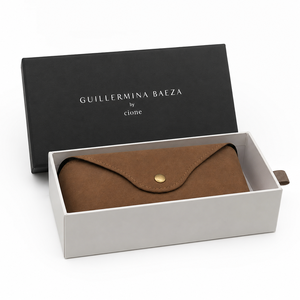
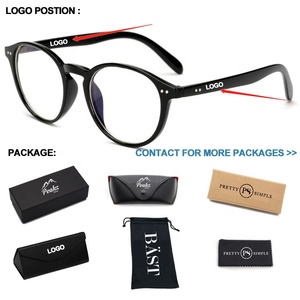
From initial hand sketches, physical reference samples, or 2D technical drawings, our engineering team generates 3D CAD files within 24 to 48 hours. We handle laser engraving, foil hot-stamping, epoxy pad printing, custom temple-tip plaques, and integrated high-end packaging production (drawers, rigid cases, microfiber cloth).
AQL 1.0 Comprehensive Quality Assurance
Every frame lot undergoes strict ophthalmic testing: bridge deformation tests under vertical strain, hinge torque resistance, cross-hatch lacquer adhesion tests (ASTM D3359), and spectrophotometer color matching under D65 standard illuminant conditions to prevent batch-to-batch variation.
Procurement Inquiries
Frequently Asked Questions for B2B Frame Buyers
Comprehensive logistical, manufacturing, and commercial answers for purchasing managers executing wholesale and custom frame contracts.
What are the standard Minimum Order Quantities (MOQs) for custom cat eye frames?
+
For custom OEM acetate cat eye frames requiring specialized block colors or laminated patterns, our standard MOQ is typically 300 to 500 pieces per model, split across 2 to 3 color variants (100 to 150 pieces per colorway). For metal, stainless steel, and beta-titanium profiles utilizing standard PVD finishes, MOQs start at 300 pieces. For in-stock ready clearance styles and catalog inventory, order thresholds begin as low as 50 to 100 assorted pieces for fast dealer replenishment.
How do you guarantee dimensional accuracy for progressive and high-minus Rx lenses in cat eye profiles?
+
Cat eye frames feature an asymmetric lens contour with a high temporal lift. If the eyewire bevel is cut too shallowly or with an irregular apex angle, optical glazing labs encounter severe lens chipping or excessive frontal lens bulge. We mill the internal eyewire groove at a strict 115° V-bevel angle with a controlled depth of 0.8mm ±0.05mm. Furthermore, our optical engineering team validates the base curve (typically 4.0 or 4.5 base curve) against digital lens tracer data, ensuring standard lab edgers achieve a drop-in flush fit without forcing the frame chassis out of planar alignment.
What international testing certifications accompany shipments for EU and US customs clearance?
+
Every export consignment leaves our factory backed by full regulatory conformity dossiers: CE compliance under the European Medical Device Regulation (MDR 2017/745) and EN ISO 12870:2018 (Ophthalmic optics – Spectacle frames); US FDA Device Registration and Drop Ball Impact Resistance verification (21 CFR 801.410); and REACH Annex XVII (Regulation EC 1907/2006) certification guaranteeing compliance with lead, cadmium, and EN 1811:2011 nickel release thresholds.
What is the standard production lead time from CAD approval to container dispatch?
+
Upon client sign-off on 2D technical drawings and 3D CAD modeling, rapid 3D-printed or hand-carved acetate engineering samples are dispatched within 7 to 10 working days. Tooling, steel mold opening (for injection polymers or metal stamping dies), and pre-production sample sign-off require 20 to 25 days. Full mass manufacturing runs spanning 1,000 to 10,000 units conclude in 40 to 50 days, incorporating our complete 72-hour tumbling cycle and AQL 1.0 optical bench inspection protocols.
Can you execute custom branding, metal temple engraving, and custom packaging integration?
+
Yes. Our contract services encompass complete brand execution: high-resolution UV laser etching on inner temple cores, high-precision thermal metallic hot-stamping, epoxy-filled logo inlays on temple tips, and custom silicone nose pads stamped with your trademark insignia. Additionally, we coordinate turnkey optical packaging programs including custom drawer paper boxes, hard-shell PU leather cases, customized microfiber cloths, and branded warranty cards matching your exact brand Pantone specifications.
How do you manage quality control during mass manufacturing of acetate frames?
+
Quality assurance begins at raw material receipt: raw acetate sheets undergo moisture-content evaluation and oven-baking stress relief. Throughout production, frames pass three independent inspection checkpoints: (1) Post-CNC eyewire groove profile inspection, (2) Post-tumbling finish and micro-scratch examination under 1000-lux magnification, and (3) Bench alignment checking for bridge symmetry, four-point co-planarity, pantoscopic tilt (8° nominal), and hinge opening torque (100 to 150 gf·cm). Defective units are rejected at the workstation prior to batch assembly.
What is the difference in longevity between Stainless Steel and Beta-Titanium cat eye frames?
+
While high-grade stainless steel (SUS304/SUS316) provides exceptional tensile strength, rigidity, and cost efficiency, it exhibits an average density of ~7.9g/cm³ and modest spring flexibility. Beta-titanium (β-Ti) possesses an ultra-low density of ~4.5g/cm³ (rendering it 45% lighter), zero nickel allergenicity, and a vastly superior modulus of elasticity. Beta-titanium frames can deflect under severe lateral torsion and instantly return to their calibrated optical geometry without permanent deformation, representing the premier material choice for luxury executive eyewear lines.
Direct Factory Procurement
Partner With China's Leading Cat Eye Frame Manufacturer
Initiate direct communication with our senior optical engineering and export team. Request our latest master wholesale catalog, reserve production capacity, or submit your custom OEM/ODM specifications for a precise cost evaluation within 24 hours.