Top China Pure Titanium Eyewear Manufacturers & Exporters
Industrial Whitepaper & Strategic Sourcing Guide: Metallurgy, Nanoscale IP PVD Coating, Precision CNC Engineering, and Global B2B Supply Chains
OEM / ODM Trade Portfolio
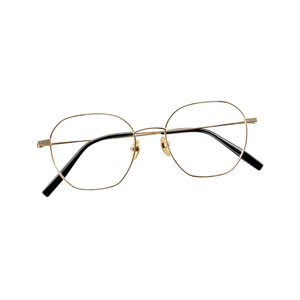
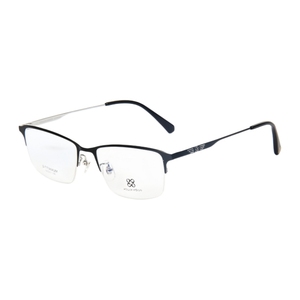
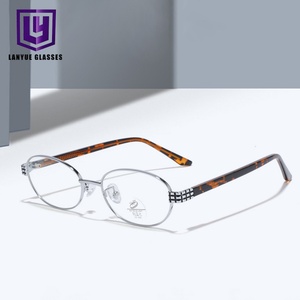
Engineered Pure & Beta-Titanium Export Showcase
Each optical frame silhouette undergoes over 120 precision manufacturing phases, meeting ANSI Z80.5, ISO 12870, and CE medical device safety standards for international optical chain distribution.
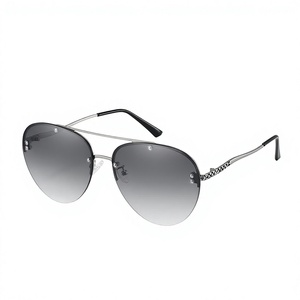
Aviation Double-Bridge
New UV400 Semi-rimless Double-bridge Sunglasses Sophisticated Unisex Design for Driving Sun Protection Stylish Metal Frames
Why China Is the Global Epicenter for Pure Titanium Eyewear
Pure titanium (CP-Ti) and high-modulus beta-titanium (Beta-Ti) alloys represent the pinnacle of optical ergonomics. Sourcing from premier Chinese clusters like Shenzhen (Henggang) and Jiangsu (Danyang) yields uncompromised precision through fully integrated aerospace-grade titanium processing hubs.
Aerospace Grade 1 & Grade 2 Alpha-Ti
Commercially Pure Titanium (Grade 1 & Grade 2) features a density of 4.51 g/cm³, nearly half the specific weight of nickel silver and Monel. Yielding exceptional tensile strength (up to 345 MPa) with zero nickel content, our pure titanium frames provide complete dermatological biocompatibility and absolute rust immunity under saline perspiration tests (ISO 12870 compliant).
When structural components require hyper-elastic resilience, our beta-titanium formulations offer a modulus of elasticity reduced to ~82 GPa. This metallurgy delivers spring-loaded temples that comfortably conform to diverse craniofacial topologies without permanent mechanical deformation, eliminating temple pressure headaches during 16-hour daily wear.
Argon-Atmospheric Micro-Laser Welding
Titanium possesses high atmospheric reactivity at elevated temperatures, oxidizing instantly above 400°C. Our state-of-the-art facilities implement sealed argon-chamber micro-laser welding stations. This keeps atmospheric oxygen and nitrogen out of the joint zone, ensuring weld junctions withstand more than 250N tensile break tests without thermal embrittlement.
Material Performance Matrix
Engineering Metallurgy Comparison for Optical Procurement
A direct metallurgical comparison between Pure Titanium, Beta-Titanium, and traditional spectacle metals highlighting structural integrity and wearer comfort parameters.
Material Classification
Specific Density (g/cm³)
Tensile Strength (MPa)
Young’s Modulus (GPa)
Corrosion Resistance
Hypoallergenic Index
Primary Optical Usage
Grade 2 Pure Titanium (Alpha)
4.51
345 – 480
105
Permanent / Extreme Passive Oxide
100% Nickel-Free / Medical
Rims, Bridge, Hinges, Endpieces
Beta Titanium (Ti-Beta Alloy)
4.75
850 – 1100
82
Exceptional
Biocompatible / Safe
Flex Temples, Rimless Chasis
Austenitic Stainless Steel (316L)
7.98
520 – 680
193
High (Contains Cr)
Trace Nickel (May Cause Allergy)
Mid-Tier Thin Metal Frames
Monel / Nickel Silver
8.80
400 – 550
160
Moderate (Prone to greening)
Poor (High Allergen Release)
Budget Mass-Market Eyewear
Cellulose Acetate + Ti Core
1.28 (Acetate composite)
Varies (Composite)
Varies
High (Surface Glaze Protected)
Naturally Skin-Friendly
Luxury Vintage Statement Lines
Craft & Engineering Lifecycle
From Raw Ingot to Counter-Ready Optical Luxury
Explore how every titanium frame undergoes strict ISO-certified machining, hand-polishing, and rigorous laser alignment before global export dispatch.
Stage 01
Spectrometric Validation
Every titanium batch undergoes spectral composition testing to verify titanium purity levels (≥99.2%) and eliminate hazardous heavy metal traces prior to CNC extrusion.
Stage 02
5-Axis Micro-CNC & Hand Beveling
Frame fronts are milled with micro-tolerances of ±0.05 mm. Expert craftsmen then polish nose bridge chamfers and temple edges using Japanese ceramic and walnut shell drums.
Stage 03
Argon Laser Fusion & IP PVD
Temples and rim joints are fused under high-purity argon gas. Afterwards, frames receive vacuum Ion Plating (IP) to deposit a 0.3μm diamond-hard titanium nitride coat.
Stage 04
Bench Alignment & Stress Testing
Every finished optical piece is measured for pantoscopic angle, 4-point facial coplanarity, and hinge opening friction, ensuring hassle-free prescription lens glazing by opticians.
Future Procurement Trends
Key Shifts Shaping Pure Titanium Frame Sourcing (2025–2030)
To maximize retail sell-through and protect gross margins, optical chain purchasing directors must adapt their purchasing portfolios to four defining technical trends.
Frictionless Screwless Hinges
Traditional micro-screws loosen over time. Optical buyers are transitioning towards screwless, interlocking titanium cylinder mechanisms and snap-fit hinges, drastically reducing warranty repair rates at independent practices.
Deep Grooving for High Prescriptions
With rising global myopia, frame designs feature deepened CNC rim grooves (up to 2.8 mm depth). This effectively conceals the thick edge profiles of high minus power lenses (-6.00D and higher) without needing heavy acetate rims.
Eco-Acetate / Pure Ti Hybrids
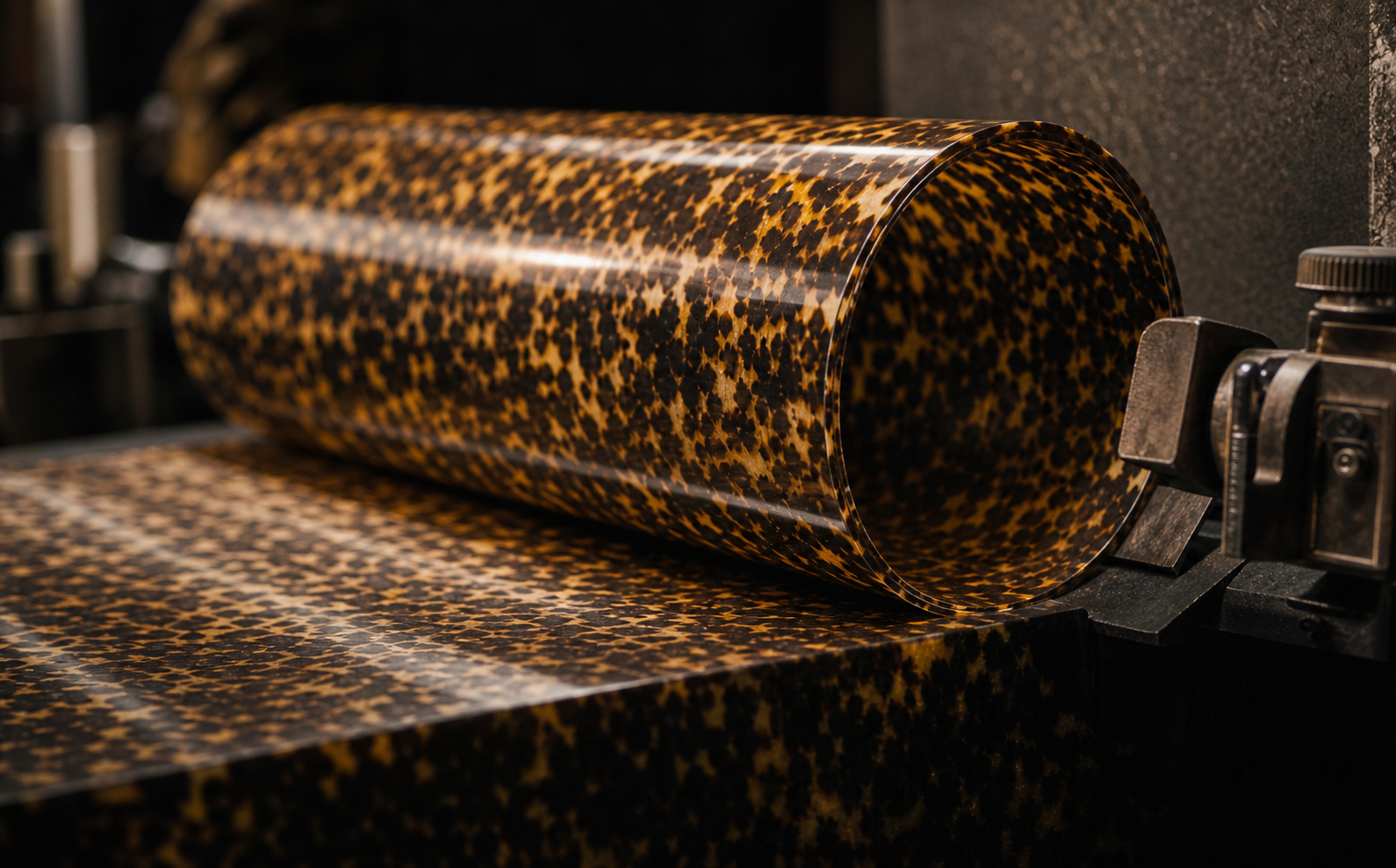
Combining rich visual aesthetic with featherlight weight: Bio-based cellulose acetate (phthalate-free, certified biodegradable) layered over ultra-slim titanium wire cores has become the highest margin product category across European optical chains.
Cold-Sprayed Nanocoatings
Moving beyond basic gold and gunmetal PVD, modern vacuum chambers deploy multi-layer interference coatings. These create fingerprint-resistant oleophobic finishes, matte satin textures, and rich iridescent jewel tones that never chip or flake.
Turnkey Dealer Infrastructure
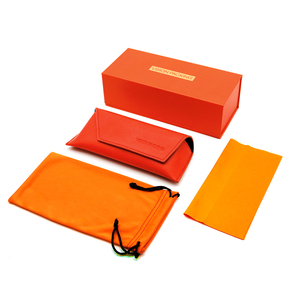
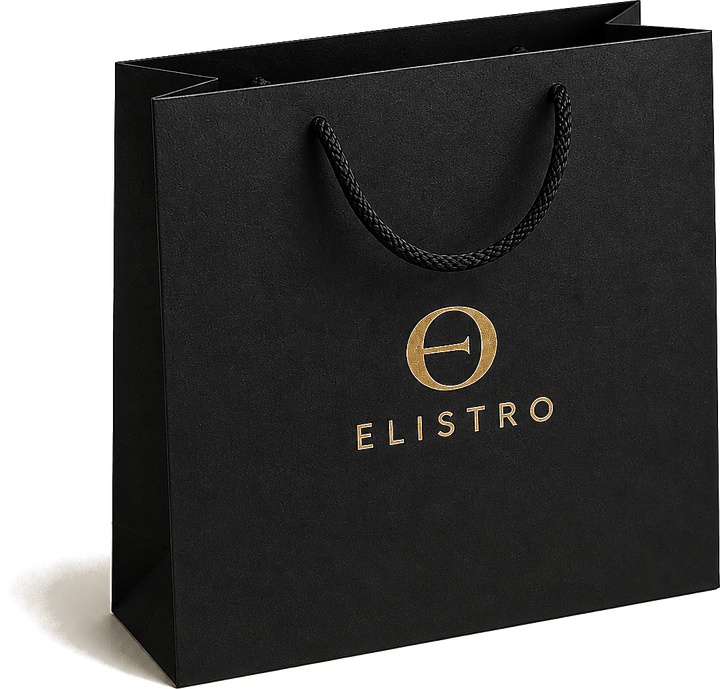
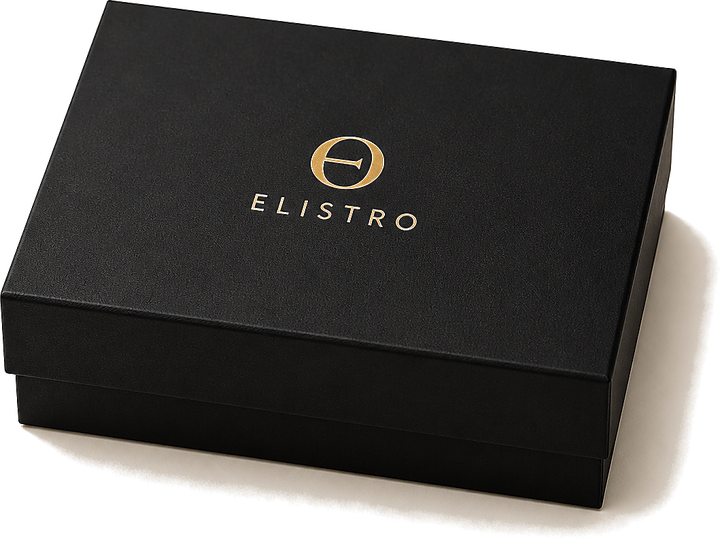
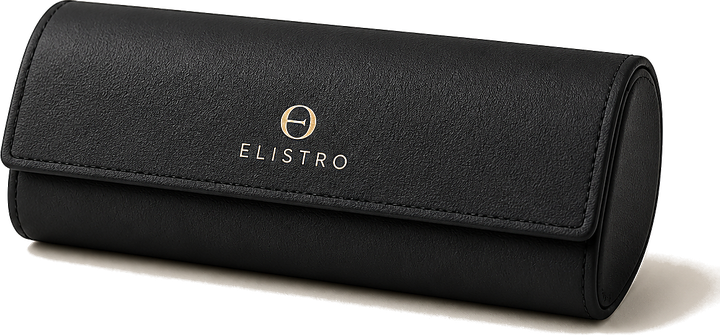
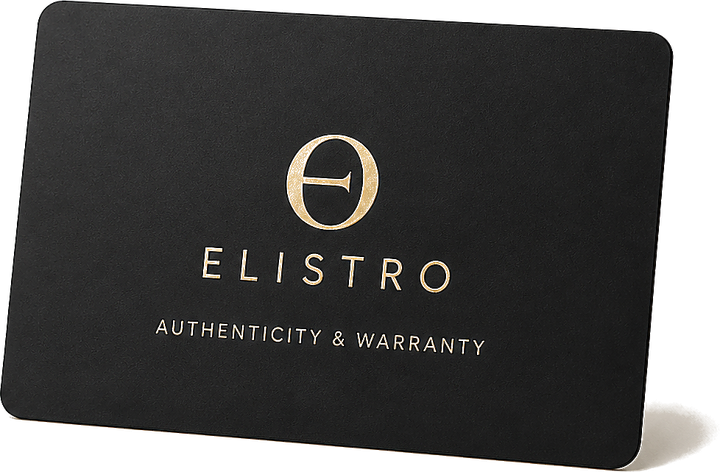
Complete 5-Piece Retail Delivery Presentation Included
We empower eyewear distributors, optical chains, and independent boutique practices by supplying completely customized, shelf-ready unboxing packaging suites with every frame order.
Our facility bridges the gap between artisan-level optical craftsmanship and scalable industrial output for brands globally.
Transparent Sourcing & Full Traceability
Every frame series is shipped with documented mill certificates verifying titanium composition. Precise dimensional parameters (lens width, DBL bridge width, temple length) are laser-inscribed inside the temple for easy dispensing.
Low Risk Flexible OEM / ODM Programs
We support growing brands with low Minimum Order Quantities (MOQs) for in-stock catalog silhouettes alongside bespoke rapid tooling programs that deliver 3D CAD mockups and CNC physical samples in under 14 working days.
Global Regulatory Compliance
All eyewear components meet European REACH standards (Annex XVII for nickel release below 0.5 μg/cm²/week), US FDA medical device registration, and CE EN ISO 12870 criteria, guaranteeing seamless customs clearance.
Procurement Knowledge Base
Frequently Asked B2B Sourcing Questions
Direct answers to the most critical technical and commercial questions optical procurement professionals ask when sourcing titanium eyewear from China.
How can wholesale buyers verify genuine Pure Titanium vs. low-grade nickel alloys?
Authentic pure titanium is verified through three primary methods: 1) Magnetism test (titanium is completely non-magnetic, unlike cheap ferritic or nickel alloys); 2) Weight-to-volume ratio (pure titanium has a density of ~4.51 g/cm³, noticeably lighter than brass or Monel at ~8.8 g/cm³); and 3) Laboratory testing (spark spectrometry or nitric acid spot testing, where titanium demonstrates total acid immunity without surface discoloration). Furthermore, genuine pure titanium frames feature clean argon micro-welds that lack the solder flux buildup common on copper-alloy joints.
What is the difference between Pure Titanium (CP-Ti) and Beta-Titanium (Beta-Ti) in frame design?
Commercially Pure Titanium (CP-Ti Grade 1 or 2) contains more than 99% pure titanium. It has exceptional rigidity, high corrosion resistance, and holds optical lens bevels securely, making it ideal for frame fronts, bridges, and rim wires. Beta-Titanium is an alloy (typically Ti-15V-3Cr-3Sn-3Al) that introduces vanadium and chromium to create an ultra-low Young's modulus with high elastic memory. It is favored for flexible temples and rimless mounting posts because it flexes without bending out of shape or losing its fitting alignment.
What surface treatment technology ensures finishes will not wear down or oxidize?
High-end manufacturers use Ion Plating Physical Vapor Deposition (IP-PVD) within high-vacuum chambers. The titanium components are pre-cleaned via ultrasonic acid washing and bombarded with argon ions to clear microscopic contaminants. Titanium or zirconium targets are then vaporized into a plasma that bonds at a molecular level with the frame surface, creating a 0.3 to 0.5-micron ceramic coating. This finish withstands 48-hour neutral salt spray tests and sweat exposure tests with zero flaking, corrosion, or color shifts.
What are the standard Minimum Order Quantities (MOQ) and production turnaround cycles?
For ready-to-ship catalog inventory requiring custom logo pad printing or laser engraving, MOQs start as low as 50 to 100 units per model across various colors. For full OEM/ODM custom frame development (requiring custom extrusion dies, 5-axis CNC programming, and specialized PVD color formulation), the typical production run begins at 300 to 500 units per style (broken into 2–3 colorways). Tooling and prototype approvals take approximately 15 to 20 days, followed by mass production runs of 45 to 60 days.
Are your manufactured titanium frames compliant with strict US FDA and EU REACH standards?
Yes. All export production runs comply fully with the European Union Medical Device Regulation (EU 2017/745), BS EN ISO 12870 (Ophthalmic optics - Spectacle frames), and REACH Annex XVII (guaranteeing non-detectable nickel leaching under skin contact conditions). For exports to North America, our manufacturing units hold active FDA establishment registrations, and sunglass lens assemblies pass the 21 CFR 801.410 drop-ball impact safety standard.
Can the factory support custom private-label branding on the frame and packaging?
Yes, we provide end-to-end private-label branding. This includes high-precision laser marking on the inner titanium temple core, micro-pad printing on demo lenses, custom CNC metallic crests embedded in temple tips, and full customization of our 5-piece packaging suite (hot-stamped foil logos on presentation boxes, cases, shopping bags, warranty cards, and microfiber cloths).
Direct Factory Sourcing
Elevate Your Eyewear Collection With Engineering Precision
Directly contact our engineering and optical export desk to receive complete wholesale pricing sheets, material test reports, high-resolution product photography, and complimentary physical sample packs.