OEM / ODM Technical White Paper & Sourcing Authority

Top China Vintage Acetate Glasses Manufacturer & Factories

Precision Engineering, Multi-Axis CNC Milling, Organic Hand-Finishing, and Global Wholesale Supply Chains for Premium Optical Retailers

72h Barreled Tumble Polishing
0.05mm CNC Milling Tolerance
65+ Bespoke Cellulose Colorways
100% Bridge & Temple Alignment QC
Certified Optical Hardware

Featured Vintage Acetate & Hybrid Optical Frame Portfolio

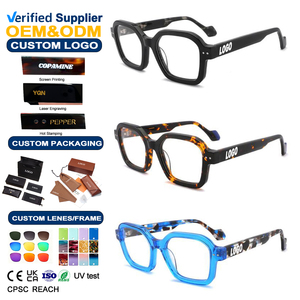
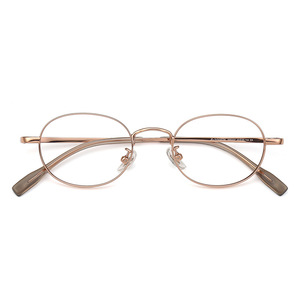
Engineered for independent optical practices, optometrist chains, and private eyewear labels. Every SKU integrates multi-barrel barrel hinges, high-density cellulose acetate sheets, and precision ergonomic bridge geometry.

Engineering White Paper · Section 1.0

Cellulose Acetate Material Science: From Organic Cotton Linter to Precision Eyewear

In high-end optical fabrication, the choice between low-grade synthetic plastics like injection-molded Grilamid TR90 or polycarbonates and extruded cellulose acetate (CA) determines structural stability, visual depth, and point-of-sale customer satisfaction. Cellulose acetate is a bio-synthetic polymer synthesized from natural softwood pulp and organic cotton linters reacted with acetic anhydride. This molecular structure gives premium vintage eyewear its signature warmth to the touch, hypoallergenic properties, non-petroleum tactility, and long-term thermoplast memory essential for optometric adjustments.

High-Density Extrusion

High-density cellulose blocks cured for a minimum of 90 days eliminate volatile plasticizer solvents. This controlled curing stops post-milling warping and shrinkage over years of display storage.

Pigment Lamination

Proprietary multi-layer lamination blends natural amber, dark havana, and horn patterns with crystal-clear backing plates, providing internal depth under optical store spotlights.

Thermoplastic Retention

Unlike brittle injection resins, cured cellulose acetate can be warm-air softened at 55°C to 65°C by licensed opticians for temple curvature, pantoscopic tilt adjustments, and customized bridge fitting.

Physical Parameter Standard Grade Injection Plastic Standard Commercial Acetate Elistro Grade Cellulose Acetate
Raw Material Foundation Petrochemical Nylon / TR90 Resin Industrial Wood-Pulp Ester Cotton Linters + Long-Chain Plasticizers
Milling Dimensional Stability High Shrinkage (±0.35mm) Moderate Relaxation (±0.15mm) Rigid Precision Toleranced (±0.05mm)
Polishing Luminosity Sprayed Lacquer Coat (Degrades) 24-Hour Drum Tumbling 72-Hour Organic Beechwood Peg Polish
Cold Glazing & Lab Edging Prone to rim cracking on snap-in Requires constant pre-heating Elastic lens groove with secure retention
Skin Biocompatibility Synthetic skin contact Compliant with ISO 10993 Hypoallergenic & California Prop 65 Clear
Engineering White Paper · Section 2.0

Precision Manufacturing Methodology: Tooling, CNC Milling, and 4-Stage Tumbling

Authentic vintage spectacles demand a synthesis of digital multi-axis computer numerical control (CNC) machining and meticulous hands-on artisan tooling. In our China production facilities and regional finishing workshops, production follows a rigorous 14-step manufacturing route where tolerance degradation is prevented at every transition point.

Process Phase 01

Multi-Axis CNC Cutting

Custom carbide milling cutters carve eye-wire profiles, bevel angles, and 6-base or 4-base lens step grooves directly from seasoned 6mm to 10mm acetate slabs at spindle speeds exceeding 18,000 RPM.

Process Phase 02

Core Wire Shooting

Temples undergo heated high-pressure hydraulic wire insertion. Stainless steel or nickel-silver filigree wire cores with vintage relief patterns are driven down the center axis without surface bubbles.

Process Phase 03

72-Hr Barreling

Rims and temples enter rotating octagonal drums with graded birchwood cubes, pumice stones, and micro-refined vegetable polishing pastes. Over 72 continuous hours, tool marks vanish into a deep gloss luster.

Process Phase 04

Artisan Hand Lapping

Master polishers hand-buff each nose pad transition, endpiece curve, and temple tip across unbleached cotton and flannel wheels dressed with fine rouge compound, ensuring no sharp flash remains.

B2B Market Intelligence

Future Procurement & Sourcing Trends in Vintage Optical Eyewear

Global eyewear chains, private label distributors, and optical practices face shifting buyer demographics, tightened sustainability mandates, and compressed inventory lifecycles. Sourcing teams must track three critical macro shifts.

1. Bio-Based Acetates & Closed Loops

European and North American optical groups increasingly specify bio-acetate certified under ISO 14855 standards, utilizing bio-derived triethyl citrate (TEC) plasticizers instead of fossil-fuel phthalates. Modern factories must provide REACH and RoHS environmental documentation.

2. Hybrid Titanium-Acetate Fusion

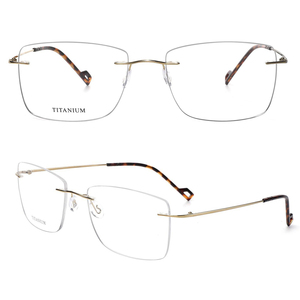
The fastest-growing vintage category combines 8mm beveled acetate fronts with Japanese-grade beta-titanium temples and custom nose-bridge arches. This hybrid design balances vintage aesthetic weight with featherlight all-day comfort for 12+ hour progressive lens wearers.

3. Low-MOQ Agile Digital Sampling

Traditional 1,200-piece production minimums are being replaced by agile 100-300 piece multi-color run orders. Modern manufacturers run high-speed 5-axis digital milling benches that convert parametric 3D CAD files into functional physical counter samples within 7 business days.

Historical Engineering

The Architectural Evolution of Vintage Silhouette Profiles

Vintage eyewear design is not mere nostalgia; it reflects proven optical ergonomics developed across mid-century American and European optical traditions. Sourcing managers should understand how distinct historical silhouettes solve prescription optical challenges:

The French Crown Panto

Originating in 1940s France, the Panto combines a rounded lower eye-rim with a flattened, beveled top architectural roofline. This profile keeps high-power progressive and astigmatic prescription lenses centered, minimizing edge thickness while fitting both angular and oval face shapes.

The Wellington & Square Arnel

Featuring substantial 7-barrel hinges pinned through diamond or spearhead front rivets, the 1950s Wellington silhouette balances wide pupillary distances with deep vertical B-measurements. This structural depth accommodates modern digital blue-filtering and photogray transitions without optical distortion.

The Browline Hybrid

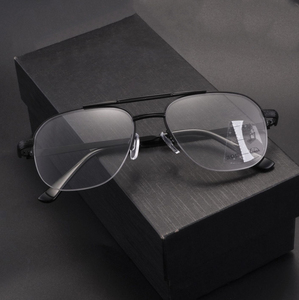
Combining a heavy acetate brow chassis with structural stainless steel or beta-titanium rim wires, the browline balances structural rigidity with lightweight adjustability via screw-in silicone or titanium nose pads.

Factory Excellence & Value Chain

Why International Optical Buyers Partner With Our Manufacturing Hub

Combining advanced engineering facilities in China with hand-finishing workshops and global distribution coordination, we offer brand owners, distributors, and independent practices an integrated wholesale platform.

Full Spec Transparency

Every frame model is cataloged with exact millimeter dimensions: lens width, bridge span, temple length, and vertical B-height. Opticians can evaluate face-fit ergonomics before placing sample run orders.

Curated Sell-Through

Rather than cluttering catalogs with unvetted designs, our 13 foundational silhouettes and 65 core colorways focus on proven retail sell-through across independent boutiques and regional optical retail networks.

5-Piece Retail Packaging

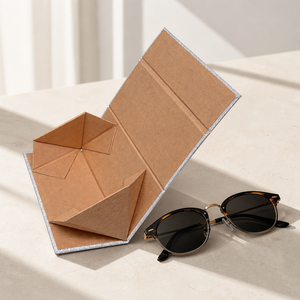
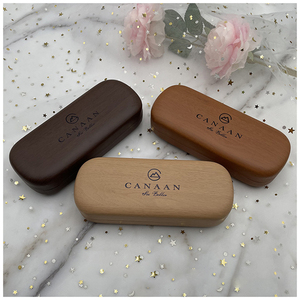
Frames arrive counter-ready: hard clamshell case, embossed gift box, micro-denier cleaning cloth, branded shopping tote, and warranty registration card. Retailers eliminate third-party packaging overhead.

Rapid B2B Fulfillment

With integrated distribution links across South Asia, the Middle East, Europe, and North America, our operations streamline logistics, documentation, customs clearance, and replenishment ordering.

Procurement Knowledge Base

Frequently Asked Sourcing & Manufacturing Questions (FAQ)

Clear, technical answers to common questions asked by eyewear buyers, supply chain executives, and optical practice founders prior to opening production contracts.

What is the Minimum Order Quantity (MOQ) for custom acetate frames versus ready-to-ship stock? +
For ready-to-ship catalog frames carrying established branding or blank chassis, our minimum order starts as low as 50 to 100 units across mixed silhouettes. For full private-label OEM/ODM runs requiring custom acetate laminations, bespoke core-wire chiseling, and proprietary diamond-rivet stamping, standard MOQs are 300 pieces per model (divided into 2 to 3 colorways at 100 units each). Custom acetate sheet production from suppliers like Mazzucchelli or Jinyu typically requires 35 to 50 kg of raw flake material per specialized color run.
How do your manufacturing facilities control bridge warping and temple splay over time? +
Dimensional stability is achieved through a controlled 3-stage thermal tempering protocol. After initial rough CNC milling, frame blanks rest in climate-stabilized drying kilns at 48°C (±2°C) for 96 hours to release internal polymer extrusion stresses. Temples receive wire cores driven under hydraulic temperature regulation to prevent internal air bubbles. Finally, assembled frames undergo optical bench 4-point alignment tests to guarantee 0.00° planar face-form tilt and parallel temple alignment.
What international medical device and optical standards do your optical frames meet? +
Our factory systems operate under ISO 9001:2015 quality management and ISO 12870:2016 ophthalmic optics standards for spectacle frames. For North American distribution, our production complies with FDA Class I medical device regulations (Device Master File registration). For European trade, our materials pass strict REACH (EC 1907/2006) chemical testing, and metal components pass EN 16128 nickel-release tests to protect against skin contact allergies.
How do frame measurement codes (e.g., 53□19-145) translate to optometric counter fitting? +
The standardized Boxing System displays measurements in millimeters: 53 represents horizontal eye-size (lens width at widest point), the square box symbol indicates boxed optical center measurement, 19 is distance-between-lenses (bridge width), and 145 represents total temple arm length from hinge axis to curved tip. Providing accurate measurements allows optical lab technicians to pre-calculate minimum blank lens diameters for high cylinder or strong minus lenses before cutting.
What is included in your turn-key private label packaging solutions? +
Every production frame can be paired with our complete 5-piece retail packaging suite: a crush-resistant steel-core hard case wrapped in genuine or vegan PU leather; a hot-stamped rigid paper presentation box; a 220 GSM high-density microfiber lens cloth; a textured paper retail bag with grosgrain handles; and an authenticity guarantee card. All packaging pieces can be customized with your brand logo, Pantone colors, and legal warranty text.
Can your factory accommodate cold-glazing and high-index lab lens mounting? +
Yes. Our CNC eye-wire grooves are milled with a symmetrical 110° V-bevel angle and a uniform 1.2mm depth profile. This accommodates 1.50, 1.61, 1.67, and 1.74 high-index optical lenses, as well as polycarbonate safety lenses. The dimensional tolerance of the acetate ensures that edging labs can install lenses using standard warm-air blowers without cracking frame eyewires or altering base curves.
What is the turnaround time from initial 2D/3D CAD concept to physical counter samples? +
Initial digital 2D engineering drawings and 3D step CAD files are generated within 48 to 72 hours. Upon CAD approval, our prototype workshop mills physical acetate counter samples via specialized single-tool CNC machines in 7 to 10 working days. Master production tooling, pilot tumbling, hinge riveting, and final mass production typically require 35 to 45 business days depending on order scale and custom colorway specifications.

Partner With a Leading China Vintage Acetate Eyewear Manufacturer

Whether expanding an established retail chain or launching a boutique private eyewear collection, connect directly with our engineering team for sample kits, technical spec sheets, and volume dealer pricing.

Contact Us