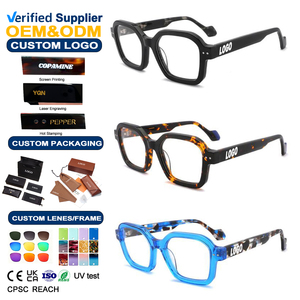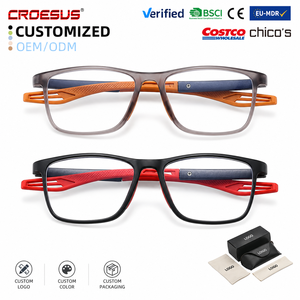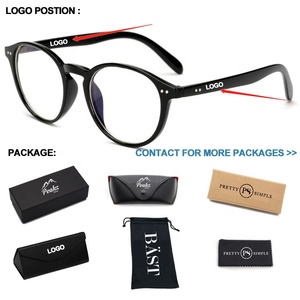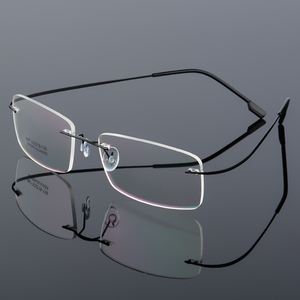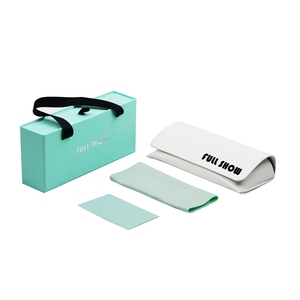

Top Trusted Bulk Acetate Frames Factory & Supplier

Precision Cellulose Acetate Manufacturing, OEM/ODM Engineering & High-Velocity Global B2B Supply Solutions

Wholesale Catalog

High-Yield Optical Frames & Premium Accessories

Engineered for independent optical practices, distribution networks, and optical chains seeking maximum shelf turnover and reliable dimensional stability.

100%
Hand-Finished Inspection
65+
Bespoke Colorways
±0.05mm
CNC Milling Tolerance
5-Piece
Turnkey Retail Kit
Manufacturing Authority

Why Tier-1 Eyewear Brands Partner With Our Factory

Combining sustainable bio-cellulose curation, artisan tumbling processes, and rigorous dimensional standards to secure our clients' competitive edge.

Aged Cellulose Acetate Sheets

We source ultra-dense, cured cellulose acetate sheets derived from renewable wood pulp and cotton fibers. Controlled chamber-aging eliminates internal solvent residue, preventing temple warping, bridge flattening, or shrinkage during optometric heat adjustments.

5-Axis CNC Precision Milling

Our multi-axis automated CNC cutting stations carve complex frame grooves and lens bevels down to a strict ±0.05mm tolerance, delivering seamless cold lens insertions and exact base-curve fidelity for RX lab glazing across varying lens powers.

Multi-Stage Barrel Tumbling & Hand Polish

Raw acetate blanks undergo a proprietary 72-hour wet-and-dry tumbling protocol using natural birch pegs, pumice stone, and specialized walnut shell pastes, followed by master artisan hand-buffing to produce an enduring, hypoallergenic luster.

Technical Comparison

Optical Materials Performance Benchmark

A systematic evaluation of mechanical properties for procurement directors comparing acetate, titanium, and TR90 for private label production.

Evaluation Parameter Cellulose Acetate (Bio-Grade) Beta-Titanium Alloy Injected TR90 Polymer
Optometric Adjustability Exceptional (Heat pliable at 55°C–65°C without degradation) Cold pliable on temple arms; rigid bridge alignment Low memory elasticity; cannot retain custom cold bend
Color Stratification & Depth Deep 3D tortoiseshells, horn effects & multi-layer lamination Anodized solid tones, vacuum ion plating Surface coating or bulk monolithic dyed pigmentation
Weight & Sensory Feel Substantial, premium tactile density with natural skin warmth Ultralight featherweight; minimal presence Extremely lightweight; synthetic hand-feel
Skin Compatibility Hypoallergenic, natural plant-based formulation 100% Biocompatible, completely nickel-free Hypoallergenic medical-grade resin
Target Retail Positioning Luxury, designer optical boutiques, premium chains Executive minimalist, ultra-high-end optometry Performance sports, casual reading, fast-fashion tiers
Procurement Insight: Premium cellulose acetate remains the undisputed leader in retail customer perceived value, allowing independent boutiques and multi-store banners to realize gross margins exceeding 65% when packaged as complete turnkey retail kits.
Quality Assurance

The 4-Stage Production Protocol

From unrefined organic raw sheets to final optical dispensary readiness.

STAGE 01

Curing & Slicing

Cellulose acetate raw sheets undergo prolonged climate-controlled conditioning to balance internal humidity, followed by high-speed computerized table cutting.

STAGE 02

Profile Sculpting

Multi-axis automated CNC routing carves precise base curves, ergonomic nose bridges, and internal lens bevel tracks tailored to prescription lens depth.

STAGE 03

Hinge Inlaying

Dual-prong and 5-barrel German hinges are thermally embedded with wire-core reinforcements, securing enduring temple stability through rigorous 20,000-cycle stress tests.

STAGE 04

Optical Bench Verification

Each individual frame front and temple pair is square-checked on leveling plates, adjusted for temple parallelism, and hand-wiped for dust-free pack-out.

Industry Whitepaper

Future Sourcing Trends: The 2025–2028 Eyewear Trajectory

Emerging structural pivots shaping global optical procurement and brand inventory planning.

1. Bio-Degradable & Recycled Acetate Mandates

European and North American regulatory frameworks are rapidly tightening around microplastics and phthalates. Leading optical chains now require certified bio-acetate made with non-toxic plasticizers (citric acid or vegetable-derived esters) that biodegrade within 115 days in industrial compost conditions without sacrificing tensile integrity.

2. Hybrid Material Lamination

High-end market demographics demand minimal front mass combined with rich aesthetic textures. Sourcing schedules are heavily favoring ultra-thin (3.0mm–3.5mm) high-density acetate (HD-Acetate) fronts fused directly with Japanese Beta-Titanium bridges and stainless steel core temples to ensure all-day ergonomic lightness.

3. Complete Turnkey Optical Boxing

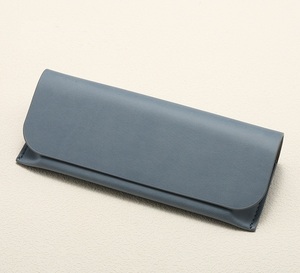
Leading buyers are phasing out unbundled procurement models. Brands increasingly demand consolidated shipments where factory-tested frames arrive pre-packed in branded rigid drawer cases, custom microfibre pouches, and matched presentation boxes, dramatically slashing domestic handling overheads.

B2B Purchasing Guide

Frequently Asked Questions by Global Buyers

Essential trade, manufacturing, and logistic parameters answered by our optical engineering directors.

What is the standard Minimum Order Quantity (MOQ) for bulk acetate frames?

For ready-to-ship catalog frames, our MOQ starts as low as 100 to 300 pieces across assorted colorways. For bespoke OEM/ODM custom toolings, custom color sheet casting, and private mold extrusions, our base production run is typically 300 pieces per model, with a minimum of 100 pieces per custom colorway.

How do you guarantee hinge alignment and frame symmetry during sea or air transit?

Each production batch undergoes 48-hour thermal shock cycles (-10°C to +55°C) prior to packaging to eliminate residual sheet tension. Frames are nestled in individual anti-scratch biodegradable sleeves, stabilized in high-density corrugated dividers, and packed inside moisture-sealed master cartons designed to withstand up to 100kg of vertical crush force.

Can you provide custom logo integration and personalized temple core wires?

Yes. We offer precise fiber laser etching, high-definition pad printing, metallic foil hot-stamping, and custom-embossed metal temple cores. You can also supply custom CAD artwork for inner metal core wires that remain distinctly visible through translucent clear or champagne-tinted acetate temples.

Do your acetate frames meet CE, FDA, and ISO optical compliance benchmarks?

All optical frames, reading glasses, and sunglass components produced by our factory comply fully with ISO 12870 (Ophthalmic Optics), EN ISO 12312-1, and REACH Regulation (EC) No 1907/2006 for nickel release, skin sensitization, and dimensional stability during extended wear.

What is the typical lead time for custom production samples and bulk runs?

Rapid rapid-prototyping 3D resin samples take 7 business days; working hand-finished acetate counter-samples require 15 to 20 business days depending on color sheet availability. Full mass manufacturing typically completes in 45 to 60 days following formal pre-production sample sign-off.

What measurements are standard, and how do we decode frame dimensional specs?

Every optical specification follows universal lens-bridge-temple boxing standards (e.g., 53◼19-145mm). 53 represents horizontal eye size, 19 indicates DBL (distance between lenses), and 145 represents overall temple length. We calibrate bevel angles precisely to 110° to secure high-minus prescription glazing without edge blowouts.

Scale Your Eyewear Brand with Direct Factory Pricing

Connect with our technical optical engineering desk to review technical specs, request raw material color swatches, or initiate custom private-label acetate production schedules.

Inquire Now