
Acetate Series
Sourcing Guides
wholesale optical frames acetate optical frames wholesale tortoiseshell acetate frames cellulose acetate spectacle frames hand-finished acetate eyeglasses rectangle acetate optical frames square acetate optical frames titanium optical frames wholesale Global Service Top SearchCompany
About Elistro Dealer Program ContactExplore our production-ready acetate, titanium, and hybrid spectacle frames engineered with precise clip-on tolerances, ergonomic bridge balance, and certified retail packaging.
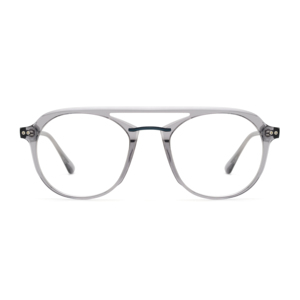
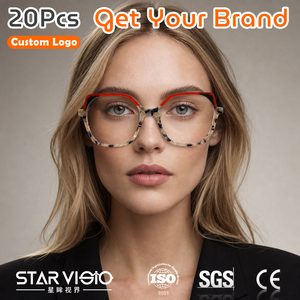
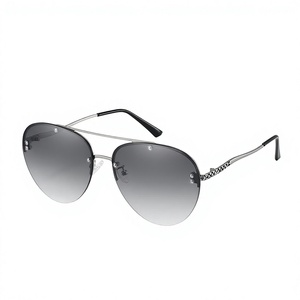
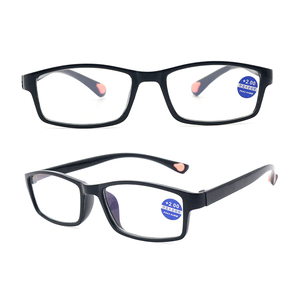
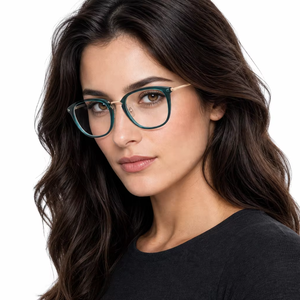
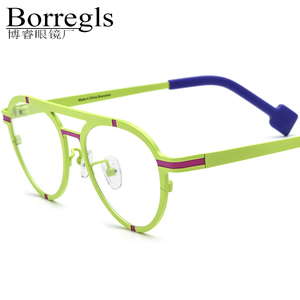
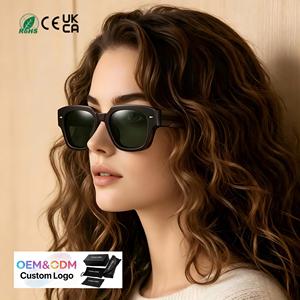
In modern ophthalmic dispensing, magnetic clip-on optical frames represent a critical convergence of clinical vision correction and versatile lifestyle sunglass protection. From an engineering standpoint, executing a durable magnetic clip requires solving the tri-fold challenge of remanence flux density, mechanical shear resistance, and zero pantoscopic tilt distortion. Traditional hook-based clip-ons frequently cause friction wear on the primary spectacle rim, degrade lacquer coatings, and induce optical decentration. In contrast, magnetic clip systems utilize dual Neodymium-Iron-Boron (NdFeB) grade N48 to N52 micro-magnets embedded either inside the chassis lugs, directly along the bridge, or seamlessly integrated behind the temple end-pieces.
As an industry-leading optical frame supplier and exporter, our engineering protocol mandates that the magnetic coupling pull force falls within the calibrated window of 1.35 N to 1.75 N. A magnetic force below 1.2 N risks detachment during active driving or rapid head rotation, whereas forces exceeding 2.0 N induce excessive mechanical torque during single-handed detachment, potentially misaligning the barrel hinges or flexing the primary prescription chassis out of optical center. Furthermore, our magnets undergo a triple-layer Ni-Cu-Ni galvanic passivation followed by an ultra-thin biocompatible epoxy sealing layer, ensuring total barrier protection against human perspiration, cosmetic chemical exposure, and ISO 12870 environmental salt spray tests up to 72 hours.
The optical synergy of the clip-on sun lens is equally crucial. All polarized attachments are manufactured using thermoformed triacetate cellulose (TAC) or high-index optical nylon, with polarizers aligned along a strict horizontal axis within ±1° tolerance to eradicate polarized glare without creating moiré optical interference. The clip curvatures are matched precisely with 4-base, 4.5-base, or 6-base primary spectacle geometries, preventing Newton's rings (optical interference patterns) and eliminating ghost reflections between the back surface of the sunglass lens and the front surface of the patient's corrective prescription lens.
Integrating traditional hand-finishing with aerospace-grade CNC tooling, our export infrastructure guarantees consistency, low variance, and boutique aesthetic appeal for high-turnover optical retail.
We source premium high-density cotton-seed cellulose acetate sheets. Aged and cured to eliminate volatile plasticizers, our acetate sheets prevent bridge warping, maintain pantoscopic alignment under tropical climates, and achieve exceptional hand-polished depth in classic tortoiseshell, gradient, and beveled silhouettes.
Our metal line utilizes Japanese pure titanium and beta-titanium wire profiles alongside surgical-grade stainless steel. Engineered for patients requiring 14+ hours of continuous daily wear, our metal frames deliver hyper-lightweight mass (under 12 grams), hypoallergenic skin contact, and resilient memory-flex temples.
Every single frame undergoes four distinct bench checkpoints: 1) CNC profile edge softening, 2) Barrel hinge alignment and friction torque calibration (0.25–0.35 N·m), 3) Ultrasonic decontamination, and 4) Optical planar alignment across four contact planes to eliminate rocker wobble prior to packaging.
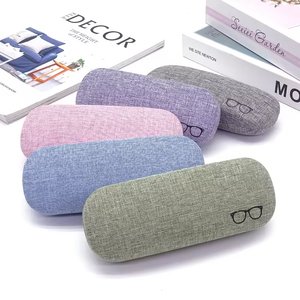
We reduce optical dispensary overhead by supplying every frame complete with 5 branded retail pieces.
Structural crush-proof magnetic closure lined with protective microfiber.
Weighted rigid paper box featuring foil hot-stamping and linen texture.
High-density 220 GSM split-fiber cloth for streak-free lens cleaning.
Bespoke heavy-gauge boutique carrier bag with braided rope handles.
Embossed batch certification and optical warranty card for dispensary trust.
Strategic market analysis for optical buyers, supply chain executives, and private-label distributors planning inventory allocation for the upcoming product cycle.
B2B procurement data indicates retail buyers are moving away from single sun-clip offerings toward 4-in-1 modular clip sets. The modern consumer expects an all-in-one ecosystem: a category-3 TAC polarized driving lens, a 420nm high-efficiency blue-light blocking lens for digital work, an amber high-contrast night-vision lens, and a photochromic transition clip. Offering unified clip sets increases retailer average order value (AOV) by over 38%.
Bulky side-mounted magnetic lugs are being completely phased out. Next-generation tooling relies on sub-surface reverse-milled pockets within the acetate temple horns or laser-welded micro-housings on stainless bridges. When the clip-on is disengaged, the frame appears indistinguishable from a high-end designer ophthalmic spectacle, preserving the aesthetic purity demanded by discerning fashion consumers.
ESG compliance is becoming a non-negotiable procurement metric for European and North American optical groups. Our R&D pipeline has integrated biodegradable cellulose acetate (formulated with organic triethyl citrate plasticizers rather than phthalates). Paired with recyclable titanium and stainless frames, our eco-friendly eyewear meets ISO 14855 industrial composting and circular sourcing standards.
Compare mechanical properties, weight distribution, and retail demographic target fit across our core export materials.
| Material Classification | Specific Density (g/cm³) | Tensile Yield Strength | Corrosion & Sweat Resistance | Primary Clinical Demographic | Recommended Sizing (Boxing) |
|---|---|---|---|---|---|
| Hand-Polished Cellulose Acetate | 1.28 – 1.32 | Medium / High Rigidity | Excellent (Barrier Coated) | Design-Conscious, Progressive Rx Lenses | 50–54 mm (Square / Rectangle) |
| Aerospace Beta-Titanium | 4.45 – 4.51 | Ultra-High (Superelastic Memory) | Total Immunity to Sweat/Salts | Professional, 14hr+ Heavy Daily Wear | 52–56 mm (Aviator / Rimless) |
| Austenitic Stainless Steel (304L/316L) | 7.90 – 8.05 | High Structural Toughness | ISO 72h Salt Spray Certified | Modern Minimalist, Unisex Everyday | 49–53 mm (Round / Geometric) |
| Medical Grade TR90 Polymer | 1.14 – 1.18 | High Elasticity / Shape Memory | Exceptional Chemical Resistance | Active Sports, Driving, Reading Eyewear | 51–55 mm (Ergonomic Fit) |
Detailed answers addressing metallurgical specifications, magnetic longevity, optical lab processing, and private-label OEM terms.
Partner with an experienced global eyewear exporter. Access our full wholesale dealer tier pricing, high-resolution digital sample packs, and customized retail distribution catalogs today.