
β-Titanium
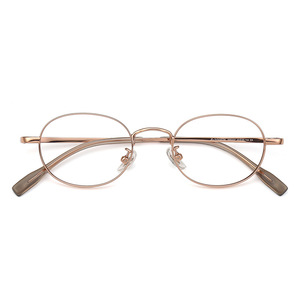
Vintage Small Ultra-Light Beta Titanium Frames
Material: Japanese β-Titanium • IP Vacuum Plating
Fit: Classic Round • High Elasticity Bridge
Sourcing Guides
wholesale optical frames acetate optical frames wholesale tortoiseshell acetate frames cellulose acetate spectacle frames hand-finished acetate eyeglasses rectangle acetate optical frames square acetate optical frames titanium optical frames wholesale Global Service Top SearchCompany
About Elistro Dealer Program ContactPrecision-engineered acetate, beta-titanium, single-vision lenses, and protective structural packaging designed for clinical optical dispensing and commercial retail scalability.
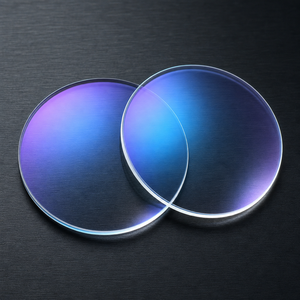
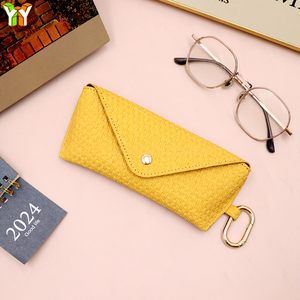

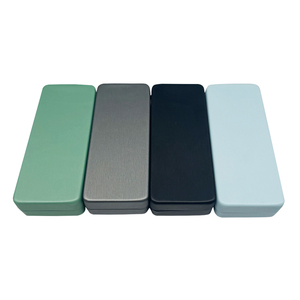

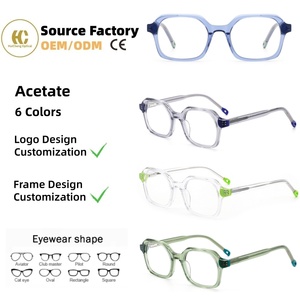
The global eyewear landscape has witnessed a pronounced architectural shift toward oversized optical silhouettes. While high-fashion aesthetics dominate consumer sentiment, oversized frames create complex engineering dilemmas for dispensing opticians and eyewear brand managers alike. An oversized eye size (typically characterized by an effective diameter exceeding 54mm and bridge calibrations narrower than 19mm) introduces significant lens decentration risks, increased edge thickness on high-minus prescriptions, and excessive vertex distance shifts that degrade visual acuity.
As a leading precision manufacturer, our engineering lab addresses these challenges through mechanical stress distribution. When developing oversized cellulose acetate fronts, our computer numerical control (CNC) five-axis milling centers maintain an ultra-tight tolerance of ±0.05mm. The front profiles undergo custom skiving along the upper rim and nasal perimeter to shed up to 22% of dead frame weight without compromising the structural rigidity of the eyewire bevel. This ensures the frame withstands lens insertion pressures up to 350 N without torsional distortion, keeping cylinder axes perfectly stable.
| Frame Material | Tensile Strength (MPa) | Specific Gravity (g/cm³) | Ideal Prescription Range | Lens Cutout Compatibility |
|---|---|---|---|---|
| High-Density Cellulose Acetate | 110 – 140 | 1.28 | +4.00D to -8.00D | Base Curve 2.0 to 4.5 |
| Grade 5 β-Titanium (β-Ti) | 890 – 1150 | 4.50 | +2.00D to -5.00D (Lightweight) | Base Curve 2.0 to 4.0 |
| Medical SUS304 Stainless Steel | 520 – 720 | 7.90 | +3.00D to -6.50D | Base Curve 2.0 to 5.0 |
| Bio-Based Eco-Acetate | 95 – 125 | 1.25 | +3.50D to -7.00D | Base Curve 2.0 to 4.5 |
Furthermore, temple stability in oversized profiles requires an optimized center of gravity. Our factories embed wire-core reinforcements within 145mm and 150mm temples, calibrating the counter-balance ratio to prevent the forward slippage commonly experienced by end users wearing dense prescription glass. Every hinge system incorporates barrel configurations ranging from 3-barrel to 7-barrel custom integrated locks, backed by thread-locking treatments that guarantee seamless hinge tension across 20,000 continuous opening and closing cycles.
Actionable macro trends shaping global B2B optical buying, supply chain diversification, material compliance, and inventory turnover.
B2B eyewear procurement is rapidly consolidating away from fragmented component suppliers toward comprehensive turnkey packages. Optical chains are now demanding complete 5-piece customer retail kits containing retail shopping bags, rigid frame cases, microfibre lens cloths, gift boxes, and authenticity cards directly from factories. This drops downstream warehousing costs and packaging overhead by up to 18% per retail unit.
Regulatory scrutiny across the European Union and North America (REACH, RoHS, and California Proposition 65) has accelerated the phase-out of diethyl phthalate (DEP) plasticizers. Buyers are pivoting to organic bio-acetate composed of wood pulp and cotton lint with plant-based plasticizers, reducing volatile organic compound (VOC) emissions during cutting and polishing while meeting strict carbon-accounting mandates.
To guard against inventory bloat, modern distributors operate on low-MOQ baseline runs with contracted re-order protocols. Instead of ordering 2,000 units per single silhouette, brands demand mixed batches across 13 distinct silhouettes and 65 core and accent colorways. This allows retail outlets to test local reception on geometric, cat-eye, and oversized square frames before launching scale reorders.
Rooted in optical heritage and dedicated to technical excellence, our production ecosystem bridges traditional artisan hand-finishing with industrial high-volume consistency.
Machine-only tumbled frames consistently leave parting lines along the nasal cavities and bridge chamfers. Every optical front manufactured in our facility undergoes a four-stage tumbling process utilizing seasoned birch chips, pumice, and walnut shells for 72 hours, followed by skilled bench filing to soften pressure points where facial skin touches frame borders.
Every frame assembly is hand-checked on optical inspection leveling plates before boxing. We ensure four-point temple touch, co-planar front tracking, and pantoscopic tilt calibrations within a 7° to 10° clinical envelope. This proactive quality gate guarantees your in-house lab technicians and optometrists can edge and mount lenses instantly without correcting factory chassis warping.
We eliminate guesswork for international buyers. Every single product reference is supplied with full boxing system measurements (Lens width • Bridge width • Temple length), A/B vertical metrics, and mechanical drawings. Our open specification approach accelerates product listings, regulatory submissions, and retail marketing preparation.
Direct technical answers addressing critical operational questions on certifications, custom molds, coatings, and distribution criteria.
Oversized fronts feature wide effective diameters (>55mm). High minus prescriptions can cause thick temporal edges, and progressive lenses risk having reading corridors cut off without proper vertical alignment. Our frames incorporate optimized decentration bevel angles, keeping edge thickness balanced and mounting secure.
We use physical vapor deposition (PVD) ion plating in vacuum chambers rather than standard wet chemical dip plating. This builds a durable 0.3–0.5 micron layer that resists sweat, cosmetic acids, and nickel leaching, complying with ISO 12870 corrosion and biocompatibility tests.
Yes. We offer high-definition inner temple pad printing, laser engraving on beta-titanium end pieces, and custom metal foil stamping inside acetate temples. We also provide customized 5-piece packaging suites debossed with your optical retail identity.
In-stock catalog models ship from our central hub within 3 to 7 business days following invoice verification. Custom OEM/ODM designs requiring rapid 3D prototyping, CNC mold cutting, and bespoke acetate curing follow a standard 45 to 60-day manufacturing turnaround.
All optical chassis and plano lenses comply with CE standard EN ISO 12870, US FDA 21 CFR 801.410 impact resistance drop ball tests, and ANSI Z80.3 standards. Complete chemical analysis sheets and certificates of conformity are available upon trade inquiry.
Natural cellulose acetate sheets can vary across batch yields. We purchase blocks from certified material producers and use digital colorimeter screening. Frame components are cut along identical sheet grain axes, guaranteeing matched bridge, rim, and temple tone across your production order.
Speak with our optical engineering team today to review technical drawings, discuss custom private labeling, request wholesale price sheets, or order evaluated factory samples.
Contact Us