Sourcing Guides
wholesale optical frames acetate optical frames wholesale tortoiseshell acetate frames cellulose acetate spectacle frames hand-finished acetate eyeglasses rectangle acetate optical frames square acetate optical frames titanium optical frames wholesale Global Service Top SearchCompany
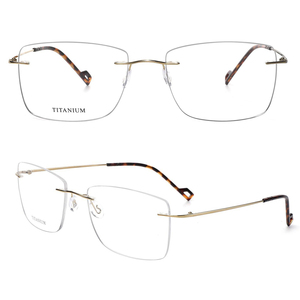
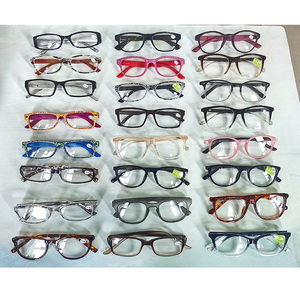
About Elistro Dealer Program ContactFrom ultra-light rimless mounts suited for executive progressive lenses to shatterproof shape-memory flex frames for active outdoor wear, our inventory is curated for optimal sell-through across Auckland, Wellington, Christchurch, and regional dispensaries.
Optical dispensers across New Zealand require frames that maintain mechanical alignment, eliminate temple fatigue, and resist stress-fracturing under intense UV exposure and variable humidity. Our frames leverage metallurgical and structural polymer advancements.
Our flexible metal bridges and temple cores utilize aerospace-grade metastable beta-titanium alloy. With a tensile yield strength exceeding 1,100 MPa and an elastic modulus of ~82 GPa (nearly 40% lower than standard commercially pure CP-Titanium), this matrix allows temples to deflect up to 35° beyond anatomical limits without plastic deformation or bridge torsion misalignment.
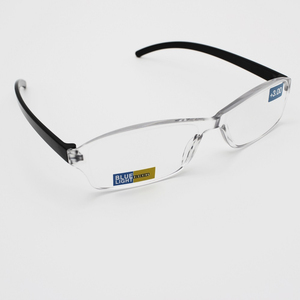
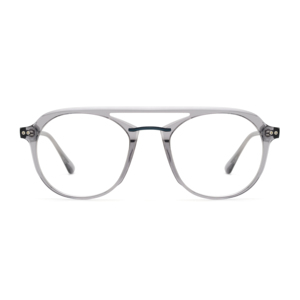
Molded from medical-grade transparent polyamide Grilamid TR90, our injection-formed flexible optical frames exhibit zero hygroscopic swelling and an exceptional heat distortion temperature (HDT) of 135°C. This prevents stress-cracking during cold-glazing processes while remaining totally inert to skin acids, cosmetics, and coastal perspiration common in subtropical Northland.
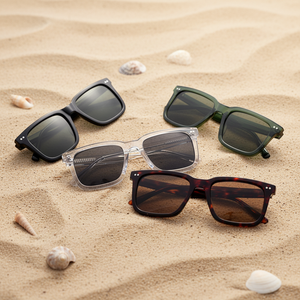
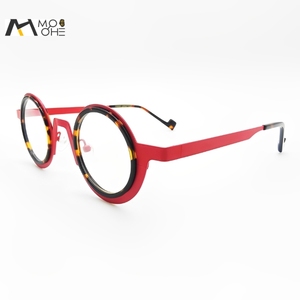
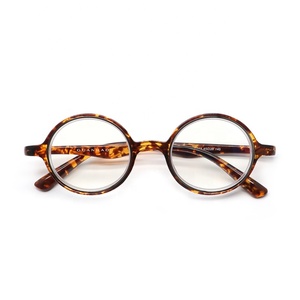
Manufactured from high-purity cotton linters and natural wood pulp, our acetate fronts undergo a 90-day tumbling and curing cycle to stabilize internal molecular bonds. Formulated without toxic ortho-phthalates, our bio-acetate provides a warm touch, self-extinguishing safety metrics, and superior memory retention when heated and adjusted on optometric frame heaters.
| Material Category | Tensile Yield (MPa) | Flexural Recovery Angle | Specific Gravity (g/cm³) | Corrosion Index (Marine Salt Spray) | AS/NZS 12870 Status |
|---|---|---|---|---|---|
| Beta-Titanium Alloy | 1,150 | > 99.4% at 30° Deflection | 4.75 | Grade 0 (Zero Pitting at 168 hrs) | Certified Compliant |
| Grilamid TR90 Memory Polymer | 85 | 100.0% Elastic Memory | 1.02 (Ultra-Light) | Immune (Non-Metallic Formulation) | Certified Compliant |
| High-Density Cellulose Acetate | 110 | 92.0% (Thermosetting Adjustability) | 1.28 | Immune (Organic Polymer) | Certified Compliant |
| Standard Nickel-Silver (Reference) | 420 | < 65.0% (Prone to Fatigue Failure) | 8.75 | Corrodes / Releases Nickel (>0.5μg) | Fails Modern Biocompatibility |
New Zealand’s geographical isolation and atmospheric dynamics present distinct challenges for optical hardware. Optical frames supplied by our manufacturing units are built to thrive across diverse local customer personas and regional environmental stresses.
New Zealand experiences peak clear-sky Solar UV Indices (UVI) regularly exceeding 12–13 during summer months across Northland, Auckland, and Nelson/Marlborough. Conventional optical plastics become brittle and discolored under extreme actinic UV exposure. Our TR90 and bio-acetate frames incorporate hindered amine light stabilizers (HALS) and dual-layer UV blocking agents. In maritime coastal environments like Hauraki Gulf and Mount Maunganui, our proprietary PVD titanium coatings resist accelerated chloride stress-corrosion cracking where base-metal alloys corrode within months.
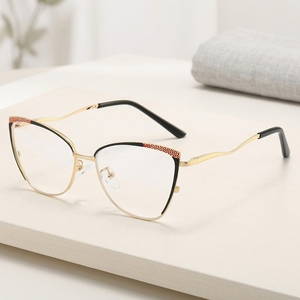
Corporate workers throughout the Auckland CBD, Wellington public sector, and Christchurch technology parks spend over 9 hours daily behind dual-VDU terminal workstations. Heavy acetate or unbalanced spectacles cause localized cranial pressure points and bridge slippage. Our beta-titanium and slim-profile rimless designs weigh under 9 grams when glazed with 1.67 or 1.74 ultra-high-index lenses, providing weightless cranial load balancing, reducing neck posture strain, and comfortably supporting progressive and occupational blue-attenuating lens treatments.
In regions such as Central Otago, Canterbury Plains, and the Southern Alps, ambient temperatures fluctuate from -5°C during freezing alpine winters to +35°C during summer harvests. Low-grade acetate and rigid metals become glass-brittle in sub-zero alpine conditions, snapping under lateral impacts. Our memory polymers and cold-drawn beta-titanium maintain uninterrupted ductility and impact toughness at -20°C, offering durability for agricultural managers, viticulturists, ski instructors, and outdoor adventure professionals.
New Zealand's demographic makeup—comprising Māori, Pasifika, European, and Asian populations—demands variable bridge geometries. Low-nasal-bridge profiles often suffer from bottom-rim cheek resting and ocular vertex distance distortion. Our frames integrate engineered pantoscopic angling, high-depth splay silicone nasal air-pads, and micro-adjustable saddle bridges to prevent vertical displacement, ensuring accurate alignment for higher astigmatic and progressive corrections.
The optical retail ecosystem across Aotearoa is experiencing a structural realignment driven by corporate margin consolidation, shifting consumer values, and stricter therapeutic regulations.
As multi-store retail conglomerates consolidate market share with generic mass-market frames, independent optometry practices across NZ are turning to agile B2B suppliers for exclusive, high-build-quality frame collections. Offering distinct beta-titanium and handcrafted acetate models allows independents to command premium retail price points ($350–$650 NZD) while insulating dispensary gross margins from big-box price competition.
New Zealand consumers prioritize environmental stewardship (Kaitiakitanga). Optical practices face growing demand for sustainable supply chains. Our factory is at the forefront of this shift, utilizing bio-based cellulose acetate synthesized with plant-derived triethyl citrate (TEC) plasticizers rather than fossil-fuel phthalates, enabling retail practices to offer biodegradable, hypoallergenic eyewear with verified life-cycle traceability.
Maintenance overhead is a primary complaint among dispensing opticians: stripped barrel screws, back-out friction loss, and loose temples. The modern NZ optical market is moving toward high-tolerance interlocking screwless hinges and leaf-spring flex joints. Our screwless beta-titanium designs require no periodic tightening, reducing after-sales laboratory adjustments and maximizing patient satisfaction.
We combine European technical standards with responsive precision manufacturing. Every frame is hand-finished, triple-polished, and delivered with a complete retail-ready presentation ensemble to elevate the consumer unboxing experience.
Our acetate components undergo 120 hours of continuous multi-stage tumbling inside Bavarian beechwood barrels infused with pumice, walnut shell granules, and organic carnauba wax. This removes micro-burrs and produces an enduring deep luster that resists the hazing caused by facial oils and ambient humidity.
We eliminate sizing guesswork for lab technicians and optical buyers. Every optical frame chassis is laser-etched with precise standardized boxing dimensions (Lens Width □ Bridge Width - Temple Length), pantoscopic angle baselines, and certified base curves, ensuring rapid lens tracing and trouble-free automated edging.
We understand working capital needs in private optometric practices. We support our New Zealand partners with low minimum order quantities across varied SKU mixes, supported by high-resolution pad-printing and precision laser-engraving services for practices building an in-house private-label house brand.
Every frame order ships with an all-inclusive luxury retail kit, eliminating secondary packaging costs for New Zealand optical dispensaries.
Detailed answers regarding regulatory compliance, Medsafe notifications, GST, logistics, and laboratory lens glazing for practice managers and optical buyers.
All our optical frames comply fully with European Medical Device Regulation (EU) MDR 2017/745 for Class I non-sterile medical devices, and conform strictly to EN ISO 12870:2016 (Ophthalmic optics — Spectacle frames). Furthermore, our metal frames undergo accredited laboratory testing verifying zero nickel release under EN 16128 (<0.5 μg/cm²/week), making them fully compliant with AS/NZS ISO 12870 across New Zealand and Australia.
In New Zealand, corrective spectacle frames intended for prescription lenses fall under the regulatory purview of Medsafe (New Zealand Medicines and Medical Devices Safety Authority) as Class I medical devices. As the manufacturer/exporter, we supply complete Technical Dossiers, Declaration of Conformity (DoC), and ISO testing documentation to assist registered NZ importers and optical dispensers with Web-Assisted Notification of Devices (WAND) database compliance.
We provide regular express air courier shipments via DHL Express and FedEx directly to Auckland Airport (AKL), Wellington (WLG), and Christchurch (CHC) with an average transit window of 4–7 business days from dispatch. For larger bulk volume orders, consolidated LCL/FCL ocean freight is routed via the Ports of Auckland or Port of Tauranga, requiring approximately 18–24 calendar days, accompanied by complete airway bills or commercial ocean manifests.
Optical frames imported into New Zealand are classified under New Zealand Harmonised System Tariff Codes: 9003.11.00 (Frames and mountings for spectacles, goggles or the like – of plastics) or 9003.19.00 (Of other materials, including titanium and stainless steel). Most optical frames enter New Zealand duty-free under standard tariff concessions, subject only to the standard 15% Goods and Services Tax (GST) calculated on the CIF value and processed via NZ Customs Service (Trade Single Window).
Yes. Our frames are engineered for effortless processing across modern robotic patternless edgers (including Essilor, Nidek, Briot, and MEI). Our acetate and TR90 eye-wires feature standardized V-bevel grooves with consistent depth and uniform baseline curvature (4.50 to 5.50 base curve), preventing lens pop-outs and reducing strain-induced birefringence in high-index poly, CR39, and Trivex lenses.
Absolutely. We offer tailored B2B evaluation sample kits for certified optical practices, optometry clinics, and wholesale distributors in New Zealand. These sample packs allow your clinical and dispensing staff to evaluate our hinge mechanics, temple tensile flexibility, and finishing luster firsthand before placing a full-volume purchase order. Contact our dealer support team to request a tailored sample selection.
Partner with an established B2B optical manufacturer delivering engineering reliability, European regulatory compliance, and high-turnover contemporary frame designs directly to New Zealand practices.