
Cellulose Acetate
Sourcing Guides
wholesale optical frames acetate optical frames wholesale tortoiseshell acetate frames cellulose acetate spectacle frames hand-finished acetate eyeglasses rectangle acetate optical frames square acetate optical frames titanium optical frames wholesale Global Service Top SearchCompany
About Elistro Dealer Program ContactPrecision-milled acetate, memory polymers, and combined metal architecture built to withstand high-altitude UV radiation and rapid indoor-outdoor Alpine temperature shifts.
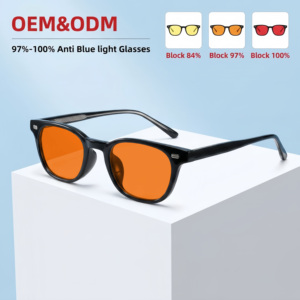
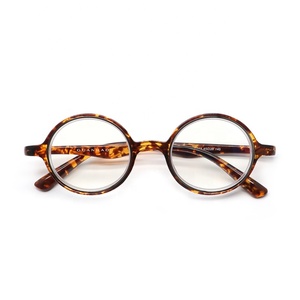
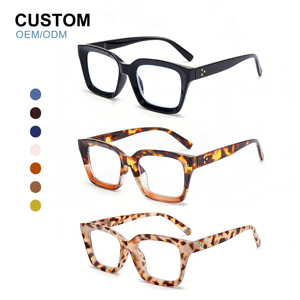


Austria's optical dispensary environment represents one of the most discerning retail healthcare ecosystems within the European Union. Defined by stringent federal consumer safety standards, a high density of qualified master opticians (Augenoptikermeister), and an aging demographic requiring sophisticated progressive prescription glazing, sourcing spectacle frames requires profound technical verification. Optical practices operating across Vienna, Graz, Linz, Salzburg, and Innsbruck operate under the European Union Medical Device Regulation (EU) 2017/745 (MDR), where optical frames are legally classified as Class I medical devices. Suppliers must guarantee full regulatory concordance, mechanical fatigue longevity, and zero skin irritation risk.
Entering the Austrian clinical and commercial eyewear supply chain requires continuous conformity with EN ISO 12870:2018 (Ophthalmic optics - Spectacle frames - Requirements and test methods). Under this standard, every production batch intended for Austrian dispensers undergoes severe environmental stress screening:
Austrian opticians strictly reject frames exhibiting nickel release exceeding 0.5 μg/cm²/week. We enforce multi-layer electroplating barriers and pure β-titanium/monel isolation to guarantee complete dermatological safety.
Testing bridge deformation resistance and five-barrel hinge tension retention under accelerated fatigue cycles. Hinges retain micro-smooth fluidity without screw loosening during repeated Alpine thermal adjustments.
Cellulose acetate formulations are enriched with organic UV absorbers preventing yellowing, crazing, or delamination caused by excessive UV-A and UV-B exposure common in elevated Austrian topographies.
Optical shop frames perform distinct functions depending on the Austrian demographic and climatic context. We categorize our manufacturing specifications into three strategic dispensing environments:
Subtle, minimalist, ultra-slim stainless steel and hand-polished crystal acetate silhouettes tailored for indoor desk work. Engineered with high pantoscopic tilt stability (8°-12°) to optimize multifocal and blue-light attenuation lenses for tech and banking executives.
High-flex Swiss-developed TR90 polymer frames engineered to retain tensile strength down to -25°C. Features hydrophilic rubber nose pads that maintain grip during high-perspiration hiking, skiing, and mountaineering activities.
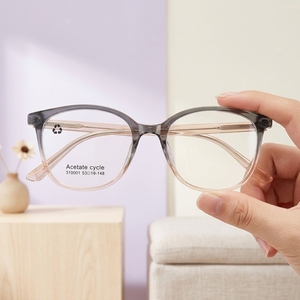
Substantial multi-layer tortoiseshell acetate frames utilizing aged cellulose flake slabs. Perfectly suited for deep-profile progressive prescription glazing (+3.50D to -6.00D) where rim thickness must seamlessly conceal high-index edge bevels.
For inventory directors and purchasing managers, selecting material blends directly governs shop floor profitability, return rates, and patient satisfaction:
| Substrate Material | Tensile Yield Strength | Specific Gravity | Glazing & Bevel Retention | Austrian Market Positioning |
|---|---|---|---|---|
| Organic Cellulose Acetate | 70 - 110 MPa | 1.28 g/cm³ | Exceptional (Heat adjustable at 55°-65°C) | Premium Heritage & Contemporary Fashion Collections |
| TR90 (Polyamide 12) | 130 - 170 MPa | 1.02 g/cm³ | High Snap-in Memory (Cold insertion) | Sports, Active Lifestyle, Everyday Reading Glasses |
| Pure Titanium & β-Titanium | 450 - 880 MPa | 4.51 g/cm³ | Rigid Precision Screwed Bevel Channels | Executive, Featherlight (Hypoallergenic Gold Standard) |
| Medical Grade Stainless Steel | 520 - 750 MPa | 7.90 g/cm³ | High Structural Rigidity, Slim Wire Rim | Modernist Minimalist, Value-Oriented Designer Lines |
Recent data indicates three defining structural shifts across the Austrian optical sector:
Austrian end-consumers increasingly prioritize environmental stewardship. Our phthalate-free, biodegradable cellulose acetate uses plant-derived triacetin plasticizers, reducing carbon footprint while meeting ECHA REACH regulations.
Dispensing opticians prefer wire-core embedded temples capable of millimeter-accurate anatomical curvature modification behind the mastoid bone without structural fatigue or resin snapping.
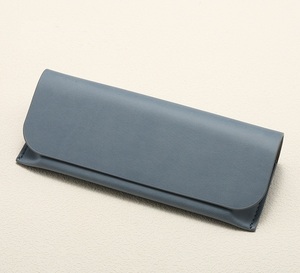
Retail stores increasingly request turn-key presentation suites comprising matching microfibre textiles, structured hard-shell travel packaging, and barcoded inventory packaging to streamline in-house inventory processing.
Empowering European distributors and local retail opticians with reliable direct-from-factory volume pricing, transparent traceability, and uncompromising finishing craft.
Every frame shipment includes Declaration of Conformity (DoC), full dimensional geometry breakdown, and traceable raw material origin documentation for seamless customs clearance into Austria.
Our acetate undergoes 72 hours of multi-stage tumbling in walnut-shell granulates, followed by skilled bench hand-buffing to produce an unrivaled organic luster that withstands long-term showroom display.
Consolidated direct freight with DDP processing handling all import VAT (EURA1 certificate compliant), ensuring door-to-door delivery across Vienna, Graz, Linz, or Salzburg distribution hubs.
Laser engraving of private house brands, precise lens-bridge-temple boxing system coordinates (e.g., 53□19-145), and CE mark alignment directly into temple inlays for boutique chains.
Direct answers regarding regulatory compliance, ordering minimums, logistics, and technical specifications for B2B procurement.
Expand your Austrian practice's margin profile with factory-direct pricing on certified, hand-finished optical shop frames. Contact our senior trade account team for wholesale catalog access, physical evaluation samples, and customized OEM programs.
Contact Us