
Cellulose Acetate
Sourcing Guides
wholesale optical frames acetate optical frames wholesale tortoiseshell acetate frames cellulose acetate spectacle frames hand-finished acetate eyeglasses rectangle acetate optical frames square acetate optical frames titanium optical frames wholesale Global Service Top SearchCompany
About Elistro Dealer Program ContactDirect from Wenzhou and Danyang precision manufacturing hubs. Fully optimized for high-volume Indian metropolitan retail networks and fast-growing Tier-2/Tier-3 optical dispensary chains.

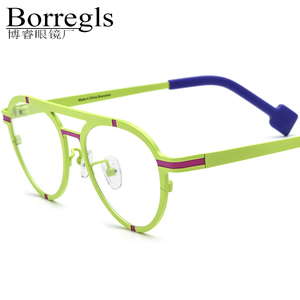
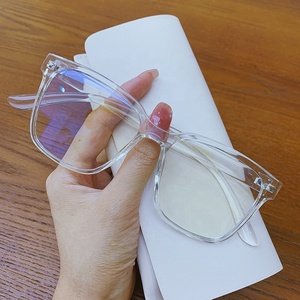
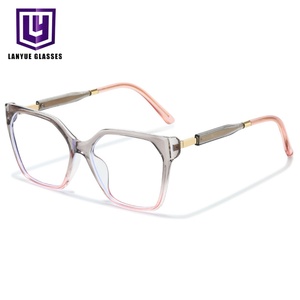
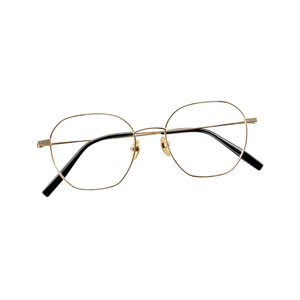
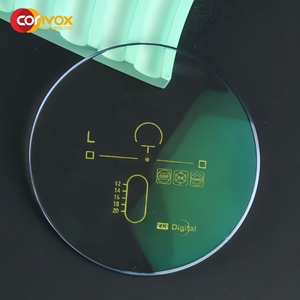
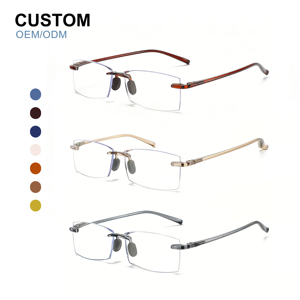
Analyzing how Chinese manufacturing clusters in Wenzhou, Danyang, and Shenzhen drive retail margin expansion across Indian optical hubs.
China's eyewear manufacturing power is concentrated within distinct geographic corridors: Danyang (Jiangsu) dominates rapid-turnaround prescription lens casting and volume-driven metal spectacle frames, while Wenzhou (Zhejiang) leads the world in industrial-scale injection TR90 and intermediate metal alloys. High-end handcrafted cellulose acetate and aerospace-grade beta-titanium engineering are concentrated in Shenzhen (Guangdong). For Indian wholesalers, navigating this cluster ecosystem directly eliminates domestic multi-tiered broker margins.
Direct B2B frame procurement from verified Chinese manufacturers provides an uncompromised landed cost advantage. While domestic trading intermediaries in Delhi's Chandni Chowk, Mumbai's Crawford Market, or Kolkata's Ezra Street apply cumulative markups ranging from 35% to 75%, direct factory container shipments achieve gross product margins in excess of 58% to 72% for Indian retail chains, even after factoring in Basic Customs Duty (BCD), Social Welfare Surcharges (SWS), and 12% Integrated GST.
Indian high-speed prescription fitting labs—relying heavily on modern CNC edgers such as Essilor Kappa, Nidek ME, or Santinelli—demand microscopic consistency in frame groove profile, bevel depth, and eye-wire circumference. Inferior injection frames suffer structural warping under heat guns during lens mounting. Our export frames maintain a rigorous tolerance of ±0.05mm, preventing lens pops, axis rotations in cylindrical powers, and premature frame crackage during in-store glazing.
Precision-adapted frame architecture addressing specific anthropometric parameters, extreme climatic cycles, and the modern Indian digital lifestyle.
India’s tropical heat, high humidity, and monsoon downpours accelerate metal oxidation and acetate bloom. Ordinary alloy frames react aggressively with human perspiration, causing nickel allergies, green verdigris deposit on nose pads, and plating peel within 90 days. Our India-bound metal silhouettes utilize multi-tier PVD (Physical Vapor Deposition) and IP (Ion Plating) undercoats, passivated through a 72-hour continuous salt-spray corrosion chamber to ensure uncompromised sheen across coastal hubs like Mumbai, Chennai, and Kochi.
Standard European eyewear geometry often fails the Indian consumer due to differing nasal bridge height, wider frontal bone structures, and prominent cheekbones. When Western frames are worn, they tend to slide downward or press tightly against the zygomatic arch, causing lens fogging and ocular discomfort. We re-engineer our acetate models with built-in elevated saddle bridges or custom-formed step nose pads, while our metal and titanium series feature 18-degree adjustable pad arms that provide optimal pantoscopic tilt and vertex distance.
In technological epicenters such as Bengaluru (Whitefield/Electronic City), Hyderabad (HITEC City), Pune (Hinjawadi), and Gurugram, over 65% of optical visits are triggered by asthenopia, dry-eye syndrome, and digital eye strain. Software developers and corporate executives wearing glasses for 12 to 16 hours continuously demand featherweight frames. Our ultralight beta-titanium and memory TR90 series, weighing between 7.5g and 9.8g, provide zero-pinch temple tension, effortlessly accommodating blue-blocking and 4K progressive free-form lenses.
Across emerging Tier-2 and Tier-3 commercial centers—including Surat, Lucknow, Coimbatore, Patna, and Nagpur—optical consumers prioritize long-term mechanical resilience. Frames must survive daily commutes, motorcycle helmet pressure, and frequent accidental dropping. For these regional markets, our high-impact memory TR90 polymer frames and stainless steel spring-hinge spectacles offer virtually indestructible performance, retaining their alignment under continuous mechanical stress.
Eyewear in India has transcended basic medical vision correction to become an indispensable fashion accessory. During major regional festivals such as Diwali, Eid, Durga Puja, and the winter wedding season, consumer purchasing surges for bold, statement-making eyewear. Our specialized export lines include warm champagne golds, rich multi-layered Havana tortoiseshells, and polished rose golds that harmonize elegantly with traditional ethnic attire.
A technical guide to help B2B buyers balance unit economics, retail price points, and return-on-investment across diverse demographic segments.
| Material Category | Composition & Tech Specs | Weight Profile | Corrosion & Climate Resistance | Target Demographic in India | Optimal Retail Price Range (INR) |
|---|---|---|---|---|---|
| Cellulose Acetate | Multi-layer cotton fiber acetate, embedded stainless wire core | 24g – 38g (Substantial feel) | High sweat resistance; requires periodic ultrasonic cleaning | Urban fashion buyers, luxury boutiques, creative professionals | ₹2,499 – ₹7,999 |
| Swiss TR90 Polymer | Memory thermoplastic, high flexural strength (ISO 178) | 8g – 14g (Ultra-light) | 100% rust-proof, impervious to sweat, moisture & UV radiation | Students, tech workers, sports enthusiasts, value-conscious buyers | ₹799 – ₹2,499 |
| Beta-Titanium | Ti-15V-3Cr-3Sn-3Al super-elastic aerospace alloy | 6g – 11g (Featherweight) | Immune to atmospheric corrosion, sweat, and saltwater exposure | C-suite executives, senior doctors, high-power Rx wearers | ₹3,999 – ₹12,999 |
| Stainless Steel (SUS304) | High-tensile drawn steel profiles with ion-plated coating | 14g – 22g (Slim & resilient) | PVD coating tested for 72-hour salt-fog endurance | Corporate daily wear, unisex minimalist styling, Tier-1/2 chains | ₹1,499 – ₹3,999 |
Strategic perspectives for procurement managers navigating the transition from unorganized distribution to high-efficiency corporate eyewear ecosystems.
The aggressive expansion of national and regional retail powerhouses—such as Lenskart, Titan Eyeplus, Lawrence & Mayo, and GKB Opticals—has fundamentally elevated Indian consumer expectations regarding design freshness, material warranties, and packaging sophistication. Independent optical retailers can no longer rely on unbranded, nondescript inventory. Sourcing modern factory collections with custom branding levels the playing field against corporate retail chains.
The rapid proliferation of direct-to-consumer (D2C) eyewear brands across India's digital marketplaces (Amazon.in, Flipkart, Myntra, Tata Neu) has triggered massive demand for agile, private-label manufacturing. Indian digital brands require flexible MOQs, laser logo customization, and bespoke unboxing experiences that drive high viral engagement and customer retention.
Urban lifestyle shifts and intensive smartphone usage across Indian households have driven unprecedented demand for early pediatric myopia management frames (high-flex TR90 with silicone straps) as well as free-form progressive lenses among the expanding 40+ demographic. This structural demographic transition makes wide-groove, deep-B-measurement frames a permanent staple in every regional wholesale inventory.
Eliminating middlemen through automated CNC fabrication, comprehensive optical testing laboratories, and complete retail packaging solutions.
Every cellulose acetate frame begins with high-density raw block cutting using multi-axis CNC routers, guaranteeing precision temple slots and symmetrical bridge geometry. Hand-craftsmen then perform three-stage wet and dry barrel tumbling over 72 continuous hours using organic walnut shells, followed by hand-buffing to produce an unmistakable, mirror-smooth luster that endures.
Our integrated testing facility executes comprehensive mechanical stress assessments on every production lot: 20,000-cycle bridge fatigue testing, temple spring endurance, cross-cut adhesion tests on plating, and nickel-release chemical testing. We ensure every shipment adheres strictly to Bureau of Indian Standards (BIS) parameters and international ISO standards.
We provide Indian optical brands with turnkey retail packaging ecosystems. Every frame can be equipped with five synchronized accessories: a branded retail rigid presentation box, an ergonomic hard case, a high-density 220gsm microfiber lens cleaning cloth, an individualized authenticity & warranty card, and a luxury retail shopping tote.
Essential guidance covering Indian customs classification, BIS compliance, cargo transit corridors, and B2B transaction terms.
Optical spectacle frames imported into India are classified under Chapter 90 of the Indian Customs Tariff. The primary HSN code for frames made of plastics (such as cellulose acetate and TR90) is 9003.11.00, while frames crafted from base metals, titanium, or precious metal plating fall under 9003.19.00. Spectacle parts and mountings are classified under 9003.90.00. The standard import tariff comprises Basic Customs Duty (BCD, typically 10% to 15%), a 10% Social Welfare Surcharge (SWS) calculated on the BCD, and 12% Integrated Goods and Services Tax (IGST). Registered optical importers can claim the IGST back as Input Tax Credit (ITC) against their domestic GST liabilities.
The Bureau of Indian Standards (BIS) regulates spectacle frames under standard IS 13942:1994 / ISO 12870 (Ophthalmic Optics - Spectacle Frames - General Requirements and Test Methods). Under India's Quality Control Orders (QCOs), imported optical frames must adhere to strict non-toxicity criteria, biocompatibility (ISO 10993 for skin irritation and sensitization), dimensional stability under varying temperatures, and nickel-release limitations to safeguard consumers. Our manufacturing facilities are fully audited to ensure compliance with BIS testing parameters, providing comprehensive third-party lab test certificates with every commercial batch.
For container-load ocean freight (FCL/LCL), cargo typically departs from the major Chinese ports of Ningbo-Zhoushan, Shanghai, or Shenzhen (Yantian/Shekou), arriving directly at Western Indian gateways such as Nhava Sheva (JNPT, Mumbai) or Mundra Port (Gujarat) within 14 to 18 days. For consignments serving Southern India, direct sailings to Chennai Port or Cochin Port take approximately 12 to 16 days. For North Indian buyers in Delhi NCR, Punjab, or Rajasthan, ocean containers are seamlessly routed through Inland Container Depots (ICD Tughlakabad or ICD Patparganj). High-value, lightweight titanium and urgent sample shipments are dispatched via air freight through Guangzhou (CAN) or Hong Kong (HKG) directly to Delhi (DEL) or Mumbai (BOM) within 3 to 5 business days.
For ready-to-ship catalog frames from our active inventory, our MOQ is as low as 12 to 50 pieces per SKU, allowing boutique retailers to test diverse styles with minimal inventory risk. For fully customized OEM manufacturing—including bespoke colorway molding, custom temple core wire embossing, and laser logo application on demo lenses and inner temples—our standard MOQ is 300 pieces per model (divided across 2 to 3 color variants). Production lead times for standard stock run between 7 to 10 days, while custom OEM runs require 35 to 45 days, depending on material complexity.
We support established international trade payment structures that comply with Reserve Bank of India (RBI) foreign exchange regulations. Standard commercial transactions utilize Telegraphic Transfer (T/T), typically structured as a 30% advance deposit upon Proforma Invoice (PI) confirmation and production initiation, with the 70% balance payable upon presentation of the Bill of Lading (B/L) copy and packing inspection certificates. For large-scale container orders and institutional optical chains, we accept Irrevocable Letters of Credit at Sight (L/C at sight), ensuring complete transactional transparency and risk mitigation for both parties.
Yes. In addition to supplying unglazed demo frames, our direct RX optical laboratory offers turnkey glazing solutions. Indian retailers can order frames pre-fitted with zero-power 420nm blue-light blocking computer lenses, polarized sun tints, or bespoke free-form digital progressive lenses surfaced to specific prescription parameters. Every glazed frame arrives individually bagged, aligned, marked, and ready for immediate retail handover.