Eyeglass Pouches Bulk Factories & Exporter serving the Uzbekistan market
OEM/ODM high-density microfiber pouches, protective sleeves, and precision packaging solutions tailored for optical retail chains, ophthalmology distributors, and trade hubs across Tashkent, Samarkand, and the Fergana Valley.
Export Catalogue
Precision Eyewear & Protective Packaging Systems
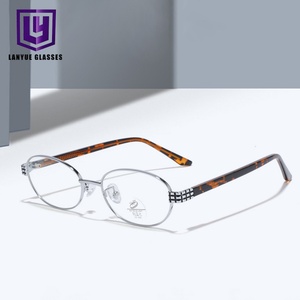
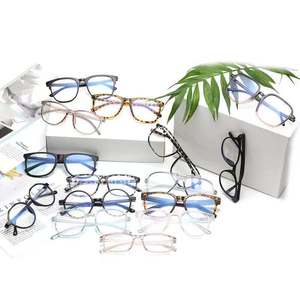
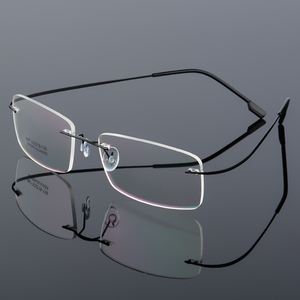
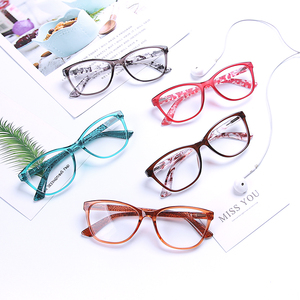
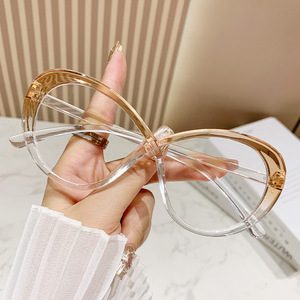
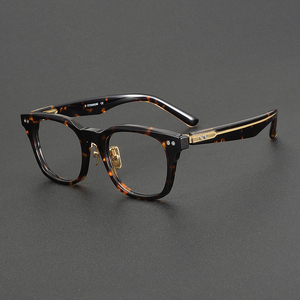
Source export-grade optical frames, anti-blue light computer eyewear, and engineered custom protective boxes manufactured to European and Central Asian import benchmarks.
The Republic of Uzbekistan is currently undergoing the fastest modernization of eye-care retail in Central Asia. Driven by an expanding population surpassing 36 million, a median age below 30 years, and accelerated digital adoption across urban metropolitan zones such as Tashkent, Samarkand, Bukhara, and Namangan, optical consumers are rapidly pivoting from unbranded generic eyewear toward value-added frames, anti-blue light computer lenses, and branded packaging systems.
For decades, commercial optical supply through regional open markets like the Abu Saxiy and Chorsu wholesale districts relied on unbranded disposable plastic slips or PVC sleeves. However, consumer expectations and retail consolidation have drastically altered purchasing patterns. Modern private clinics, nationwide pharmacy chains, and independent boutique optometrists are realizing that the secondary accessory—namely the eyeglass pouch, custom cleaning cloth, and protective hard casing—defines consumer retention and brand authority at the optical counter.
"In continental dryland climates like Uzbekistan, an eyeglass pouch is not merely a cosmetic presentation accessory; it is an active mechanical filter preventing airborne silicate abrasion on delicate anti-reflective (AR) lens coatings."
As direct manufacturers and volume exporters, our production facilities engineer industrial-grade optical packaging designed explicitly to combat Central Asian environmental and operational pain points. By combining 200 to 280 GSM ultra-fine microfiber weaves, sonic edge welding, and custom branding tailored for multi-tier retail systems, we offer Uzbek optical importers an undeniable commercial edge: certified factory pricing, direct cross-border rail supply chains, and superior aesthetic touchpoints.
Targeted Applications
Engineered for Uzbekistan's Practical Environmental Demands
Optical accessories in Central Asia must endure arid continental weather, fine particulate dust storms, and dynamic urban-to-rural retail formats.
High-Volume Bazaars & Wholesale Channels
In wholesale marketplaces such as Abu Saxiy, Malika, and regional Fergana logistics markets, price-per-unit velocity is crucial. We supply bulk double-drawstring polyester-nylon microfiber pouches with hot-stamped logos that deliver high perceived value at razor-thin wholesale margins, replacing flimsy clear polybags.
Private Ophthalmology & Laser Clinics
Specialized eye clinics in Tashkent and Samarkand performing cataract, PRK, and LASIK surgeries require sterile, ultra-soft lint-free microfiber sleeves. Our medical-grade pouches prevent micro-scratches on post-operative tinted and therapeutic lenses, ensuring pristine hygiene and lint-free patient delivery.
Urban Digital Workers & IT Hubs
Uzbekistan's burgeoning tech sector, concentrated in IT Park Tashkent and university campuses, has spurred unprecedented demand for computer eyewear. Our dual-compartment pouches house both blue-light glasses and charging accessories or cleaning sprays, custom-tailored for mobile laptops and backpacks.
Extreme Continental Climate Shielding
Summer temperatures in southern Uzbekistan often exceed +45°C with dust-laden winds from the Kyzylkum desert, while winters drop below freezing. Our thermal-stable microfiber fibers resist hardening, cracking, or color fading under high UV radiation and extreme interior automotive heat.
Optical pouches often suffer from premature pilling, fiber shedding, and seam breakage when cut from substandard, unrefined polyester fabrics. In optical laboratory trials, low-grade pouches contribute to surface micro-abrasions because trapped desert dust particles drag across polycarbonate or CR-39 resin lenses during manual extraction.
Our manufacturing complex utilizes an advanced split-matrix yarn spinning technique (80% Polyethylene Terephthalate / 20% Polyamide) with an ultra-dense conjugate yarn count. The resulting wedge-shaped capillary micro-channels lift microscopic dust, oils, and perspiration directly off the lens surface rather than smearing them.
Dust ingress is the number one cause of complaint from eyewear owners in Tashkent during dry summer months. To prevent airborne dust infiltration, our factory equips bulk pouches with high-torque braided nylon drawstrings, custom silicone aglets, or spring-steel automatic squeeze-snap closures. When pulled or released, the pouch opening cinches shut with zero gap, creating an effective dust-tight enclosure for prescription eyewear.
Industry Intelligence
Market Trends Transforming Central Asian Eyewear (2025–2030)
Key economic and consumer developments dictating wholesale purchasing decisions across Uzbekistan's optical trade corridors.
Consolidation of Optical Retail Chains
The traditional fragmented shop model is being rapidly superseded by structured pharmacy-optical combinations and standardized retail optical boutiques in major shopping centers (such as Tashkent City Mall, Next, and Samarkand Darvoza). These chains demand uniform corporate packaging sets matching their corporate visual identity.
The Rise of "5-in-1" Complete Packaging Suites
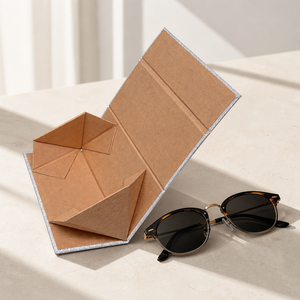
Uzbek optical buyers no longer purchase pouches in complete isolation. As shown in modern global optical practices, buyers demand integrated sets: a rigid folding case (such as our custom triangular folding box), a branded pouch, a 230 GSM cleaning cloth, a guarantee warranty card, and a matching tote bag, optimizing logistical synergy.
E-Commerce & Social Commerce Acceleration
With the meteoric growth of regional digital marketplaces like Uzum Market and Instagram-based optical retailers in Uzbekistan, protective soft pouches are essential for direct-to-consumer parcel transit, drastically slashing fulfillment weight, shipping costs, and parcel returns due to postal scratching.
3. Enterprise Manufacturing Strengths: The Direct Factory Advantage
By partnering directly with our manufacturing facilities, regional distributors and optical enterprise buyers across Uzbekistan bypass domestic trading intermediaries, unlocking true factory-floor economics, scalable volume outputs, and strict Western European quality assurance.
Vertically Integrated Manufacturing Process
From yarn weaving, dyeing, and chemical scouring to automated computerized die-cutting, silk-screen printing, sublimation heat transfer, and ultrasonic edge-sealing, every stage of eyeglass pouch production is executed in-house under clean-room conditions. This vertical integration guarantees zero contamination from foreign abrasive dust particles before shipment packing.
Branding & Customization Technologies for Uzbek Private Labels
We provide comprehensive OEM and ODM support tailored to regional corporate languages and aesthetic preferences:
High-Definition Silk Screen Printing: Utilizing German anti-wash elastomeric inks that endure thousands of flex cycles without cracking or peeling.
Sonic & Thermal Debossing: Premium tone-on-tone indented stamping that delivers an understated luxury hand-feel on velvet microfiber surfaces.
Metallic Foil Stamping: Brilliant gold, silver, or bronze hot-stamping for luxury eyewear boutiques seeking prominent branding.
Every batch of eyeglass pouches and accessories undergoes four rigorous inspection stages: raw textile tensile testing, dimensional cut validation, stitch-integrity pull tests (minimum 50 N pull resistance on drawstrings), and final optical surface clean-sweeps before moisture-barrier vacuum packaging for cross-border rail transit.
Procurement Clarity
Frequently Asked Questions by Uzbekistan B2B Buyers
Practical answers covering customs duties, Tashkent freight routes, sample approvals, and minimum order commitments.
What is the standard transit time and freight corridor from your factory to Tashkent, Uzbekistan?
+
We operate optimized multi-modal logistics serving Uzbekistan. The most cost-efficient route is direct rail container freight dispatching from our logistics hubs through the Khorgos or Alashankou border crossing directly to Tashkent Chukursay railhead (Station Code: 720000). Average rail transit is 12 to 16 calendar days. For urgent seasonal promotions, air freight cargo directly into Tashkent Islam Karimov International Airport (TAS) arrives within 4 to 6 business days.
Can you provide custom logo printing featuring Cyrillic and Latin Uzbek typography?
+
Yes. We routinely print branding in Latin-script Uzbek (O'zbek tili), Cyrillic-script Uzbek, Russian, and English. Our vector prepress department reviews your vector artworks (AI, PDF, or EPS formats) to ensure diacritics, fine letterforms, and brand logos are crisply reproduced via high-mesh screen printing, high-resolution heat transfer, or deep sonic debossing without optical distortion.
What are the customs HS code classifications and import documentation requirements for Uzbekistan?
+
Eyeglass microfiber pouches and protective textile sleeves are classified under HS Code 6307.90 (Other made-up textile articles), while folding rigid spectacle cases fall under HS Code 4202.32 / 4202.99. We furnish a complete export clearance documentation suite compliant with the State Customs Committee of the Republic of Uzbekistan, including Commercial Invoices, detailed Packing Lists, Certificates of Origin (Form A / General Form), and Quality Certificates ensuring smooth cargo release through local customs terminals.
What is the Minimum Order Quantity (MOQ) for custom-branded pouches and packaging sets?
+
For standardized stock color microfiber pouches with single-color custom logo printing, our minimum order quantity starts at just 1,000 units. For completely bespoke fabric dye matches (custom Pantone colors), custom pouch geometry, or complex multi-piece integrated sets (triangular case + pouch + cloth + box), the standard production MOQ is 2,000 to 3,000 units per specification.
How are samples handled for optical retail chains and private label distributors in Samarkand or Tashkent?
+
We provide pre-production sample evaluation services. Existing generic factory samples demonstrating fabric thickness, microfiber weave, and seam quality are dispatched free of charge (client covers express courier postage). Custom branded prototypes featuring your specific logo, dimensions, and closures are completed in 3 to 5 business days and dispatched via DHL/FedEx directly to your office in Uzbekistan for physical inspection and optical frame fitting tests.
Which payment terms and international trade settlements do you accommodate?
+
We support standard international B2B banking mechanisms, including Wire Transfer (T/T: 30% advance deposit, 70% balance against Bill of Lading / Rail Consignment Note) and Irrevocable Letters of Credit (L/C at sight) for large container shipments. Transactions can be settled in major international trade currencies, including USD, EUR, and CNY, facilitating smooth processing with Uzbek commercial banks.
4. 4-Stage Procurement Roadmap for Uzbekistan Optical Importers
Whether you are outfitting a chain of optical dispensaries across Tashkent or scaling wholesale distribution throughout Central Asia, our streamlined B2B ordering mechanism ensures seamless coordination and rapid turnaround.
Step 01: Requirement Definition
Specify frame dimensions, targeted retail price tiers, fabric preference (velvet, smooth microfiber, or eco-RPET), and logo aesthetic.
Step 02: Prepress Mockup & Sampling
Our industrial design department issues a 3D digital technical blueprint within 24 hours, followed by physical sampling for fit approval.
Step 03: Automated Mass Production
Automated cutting, high-speed computerized printing, and ultrasonic seaming ensure consistent high-volume capacity under strict QC oversight.
Step 04: Rail Logistics & Customs Support
Consolidated cargo is packed in moisture-resistant export cartons and dispatched via rail freight directly to Tashkent or your regional warehouse.
Expand Your Optical Margins in the Uzbekistan Market
Partner with an authoritative, vertically integrated manufacturer of eyeglass pouches, optical frames, and precision packaging solutions. Request physical samples, custom factory pricing tiers, and cross-border freight schedules today.