Ultra-lightweight metallurgical engineering, aerospace-grade pure & beta-titanium craftsmanship, and turnkey private-label solutions tailored to Scandinavian optical chains and independent dispensaries.
Precision Portfolio
Featured Optical Frames & Bespoke Packaging Systems
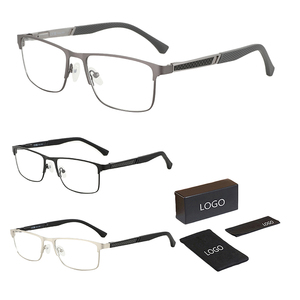
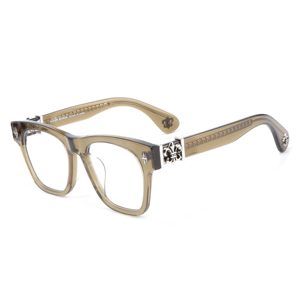
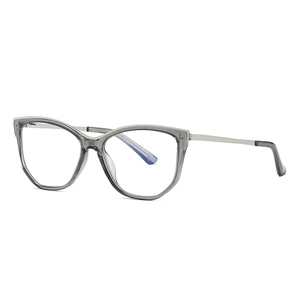
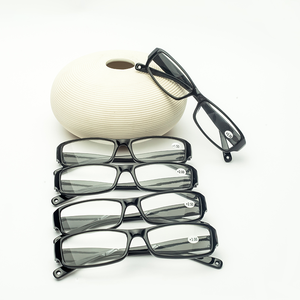
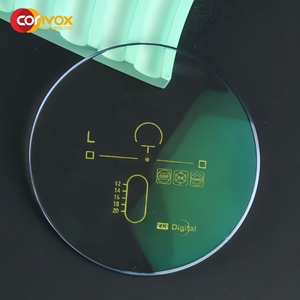
Engineered to conform with stringent Nordic ergonomic specifications, European CE directives, and retail-ready presentation kits. Review our primary OEM/ODM export references below.
Metallurgical Optimization for Sub-Zero Climates & Maritime Environments
A deep dive into why classical alloy solutions fail in Northern Europe and how pure alpha-titanium and beta-titanium matrices provide optimal longevity in Norway’s demanding climate.
Overcoming Low-Temperature Embrittlement Across the Scandinavian Arctic
In high-latitude regions spanning Oslo to Tromsø and Finnmark, optical frames are continuously exposed to severe temperature transitions ranging from -25°C outdoor winter ambient conditions to heated, low-humidity indoor environments (+22°C). Standard commercial spectacle alloys, such as nickel-silver, monel, or low-cost extruded polyamides, experience severe ductile-to-brittle transitions under these cyclical thermal shocks. Cold-induced molecular micro-fractures frequently appear at soldered eyewire junctions, pad arms, and endpiece assemblies during routine lens fitting or accidental drops.
Our OEM/ODM manufacturing facility addresses this failure mechanism by deploying certified medical-grade Pure Titanium (Grade 2, ASTM B265) for front eyewires combined with Beta-Titanium (Ti-15V-3Cr-3Sn-3Al) alloys for temple components. Alpha-phase pure titanium exhibits an invariant hexagonal close-packed (HCP) lattice that maintains superior impact toughness and ductility down to cryogenic thresholds. Meanwhile, the body-centered cubic (BCC) matrix of our beta-titanium temples yields a modulus of elasticity approximately 40% lower than stainless steel (105 GPa vs 200 GPa). This enables extraordinary elastic flexibility without cold creep or localized fatigue cracking, guaranteeing that Norwegian dispensing opticians can perform cold pantoscopic and bridge adjustments without fear of structural snap-offs.
"In coastal Norway, airborne marine chlorides combined with heavy precipitation accelerate galvanic and crevice corrosion on standard plated frames. Our specialized multi-stage Physical Vapor Deposition (PVD) ion plating delivers a chemically inert 1.2-micron barrier, yielding complete resistance against micro-pitting in saline environments."
High-Yield Metallurgy vs. Standard Eyewear Materials
Optical chain executives and laboratory procurement teams must evaluate structural integrity not simply by initial counter aesthetics, but by post-dispensing return rates. The mechanical advantages of our titanium rectangle chassis relative to competing legacy materials are summarized below:
Performance Indicator
Elistro OEM Pure / Beta Titanium
Traditional Monel / Nickel Alloys
High-Density Stainless Steel (316L)
Standard Extruded Acetate
Specific Density (g/cm³)
4.43 – 4.51 (Ultra-lightweight)
8.80 – 8.90 (Heavy fatigue)
7.90 – 8.00 (Moderate mass)
1.28 – 1.32 (Bulky profiles)
Tensile Yield Strength (MPa)
820 – 980 (Extreme structural memory)
350 – 450 (Prone to permanent bending)
520 – 620 (Rigid, difficult shaping)
60 – 90 (Thermal creep deformation)
Sub-Zero Impact Toughness (-20°C)
No ductile-to-brittle transition
High notch sensitivity, solder joint failure
Retains ductility, but hinge joints freeze
Severe embrittlement, snap hazard
Nickel Release (EN 1811:2015)
0.00 μg/cm²/week (100% Biocompatible)
Frequently exceeds 0.5 μg/cm²/week
Requires gold/protective flash barriers
Safe (unless plasticizer leaching occurs)
Salt Fog Life (ASTM B117)
> 120 Hours without surface oxidation
< 24 Hours (Verdigris and pitting occur)
48 – 72 Hours (Weld lines oxidize)
Unaffected, but metal cores corrode
Anatomic & Lifestyle Alignment
Localized Application Scenarios in the Norwegian Optical Sector
Designing prescription eyewear for Norway requires deep consideration of Scandinavian facial anthropometry, professional workplace habits, and active outdoor lifestyles.
Corporate & Terminalbriller Solutions
Under Norwegian Labour Inspection Authority (Arbeidstilsynet) regulations, employers are mandated to provide dedicated computer glasses (terminalbriller) for digital workstation operators. Our classic rectangular titanium profiles offer the ideal pantoscopic tilt (8°–10°) and vertical lens height (34–38mm) required for wide-field occupational degressive and progressive lenses without introducing peripheral swim.
Friluftsliv: Weatherproof Outdoor Performance
The cultural philosophy of "Friluftsliv" (outdoor life) demands frames that effortlessly shift from the boardroom to cross-country skiing in the Holmenkollen trails or trekking along western fjords. Titanium's inert hypoallergenic contact properties prevent skin irritation caused by perspiration and freeze-induced metal contact dermatitis during sub-zero exertion.
Scandinavian Cranial Morphology
Compared to Asian or Southern European fits, the Northern European cranial profile typically exhibits a higher nasal root, narrower bridge span (17–19mm), and wider temporal separation (140–145mm). Our custom-engineered 3D CAD molds incorporate elongated, cold-bend beta-titanium temples and micro-adjustable medical silicone pads to guarantee slipping-free vertex distances.
Market Dynamics
B2B Trends Shaping Eyewear Sourcing in Norway (2025–2028)
Understanding current macroeconomic shifts enables optical chains, distributors, and private-label buyers in Oslo, Bergen, and Stavanger to de-risk inventory and maximize sell-through velocity.
Nordic Functional Minimalism
Flashy branding and overt logo-mania have steadily declined across Norway. Eyewear wearers demand architectural, razor-thin rectangular silhouettes where luxury is communicated through finish tactile feel, screwless hinges, and ultra-refined bevel edging.
Circular ESG Compliance
Under Norway’s Transparency Act (Åpenhetsloven) and EU Green Claims directives, retail groups must verify supply-chain human rights and environmental footprints. Our factory utilizes 100% recyclable aerospace titanium swarf reclamation programs and eco-friendly PVD vacuum coatings.
Independent Optical Consolidation
With retail chains capturing significant market share, independent opticians (c/o alliances like c/i Optikk) compete via differentiated house brands. Our private-label OEM packages offer lower minimum orders per colorway to foster high-margin exclusivity.
High-Index Lens Compatibility
With aging demographics in Norway increasing the demand for complex free-form progressives, optical workshops require rigid rectangular eyewires with deep 1.8mm lens grooves that securely hold high-minus 1.67 and 1.74 index lenses without frame warping.
Manufacturing Capabilities
Why European Wholesalers Rely on Our Integrated Factory Hub
Combining state-of-the-art Japanese CNC machining centers with precision hand-finishing to deliver uncompromised frame consistency across large export volumes.
Micro-Plasma Vacuum Welding
Conventional soldering generates brittle intermetallic boundary zones. We deploy automated CNC micro-plasma and pulsed laser welding in an inert argon gas chamber, ensuring that bridge and hinge joints maintain identical tensile strength to the host titanium wire without visible flash.
100% Hand-Filing & Multi-Stage Inspection
Every titanium component undergoes 72 hours of precision centrifugal tumbling, followed by manual hand-buffing by seasoned optical artisans. Pad arms and temple tips are inspected across 4 calibrated quality gates to ensure 100% burr-free comfort before packaging.
Turnkey Private-Label Fulfillment
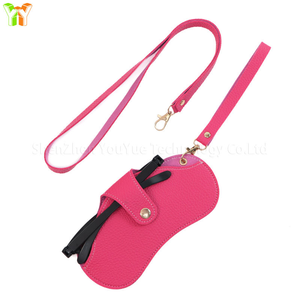
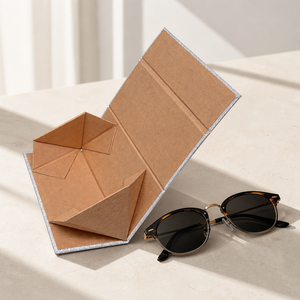
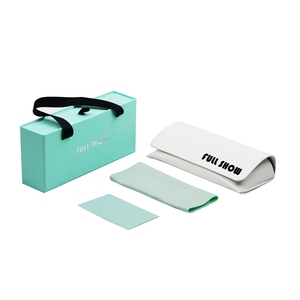
Beyond frame fabrication, we engineer comprehensive unboxing experiences. As highlighted in our product catalogue, we supply custom foil-stamped drawer cases, origami folding boxes, micro-denier cleaning cloths, and CE-marked warranty cards for immediate boutique display.
EN ISO 12870:2018Ophthalmic Optics Compliance
EU MDR 2017/745Class I Medical Device Certified
REACH Annex XVIIZero Cadmium, Lead & Nickel Safe
ISO 9001:2015TUV Certified Quality Management
Buyer Knowledge Base
Frequently Asked Questions by Norwegian Importers & Chains
Clear, definitive answers covering regulatory, logistics, import duties, and manufacturing lead times for procurement managers in Norway.
What are the customs duties and VAT (MVA) implications when importing optical frames into Norway?
Spectacle frames classified under HS Code 9003.11 (plastics) and 9003.19 (precious metals or base metals including titanium) enjoy a 0% customs duty rate under Norwegian customs regulations (Tolletaten). However, the standard 25% Norwegian Value Added Tax (Merverdiavgift / MVA) applies at import clearance unless you operate via a deferred corporate VAT accounting structure. We provide comprehensive export documentation, including certified commercial invoices, packing lists, and declarations of origin to ensure seamless clearance at Oslo Gardermoen.
How do you guarantee that frames meet the EU/Norwegian REACH Nickel Directive?
Norway strictly enforces REACH Annex XVII (Item 27) and standard EN 1811:2011+A1:2015 regarding nickel release in articles intended to come into direct and prolonged contact with skin. Our titanium rectangle frames are constructed exclusively from pure alpha-titanium and certified beta-titanium wire rods, devoid of nickel-copper underplates. Every batch is supported by third-party SGS or Intertek laboratory test certificates proving nickel migration rates well below the 0.5 μg/cm²/week detection ceiling.
What is the typical Minimum Order Quantity (MOQ) for custom OEM titanium frames?
For custom OEM/ODM production involving bespoke tooling, pad-arm geometry, or custom rim profiles, our standard production threshold is 300 pieces per model, split across 3 distinct colorways (100 pieces/color). For established catalogue frames requiring private-label laser marking (temple inner branding, CE mark, model numbering) and custom packaging kits, we can support trial opening runs starting at 100 units total.
Can you manufacture frames optimized for specialized occupational lenses (Terminalbriller)?
Yes. We frequently develop rectangular profiles engineered with a minimum B-measurement (lens height) of 34mm to 38mm, ensuring ample vertical progression corridor for workplace progressive and room-distance lenses. Our bridge geometries feature 0.8mm micro-slotted eyewire grooves with customizable base curves (4.0 to 5.5 base) to accommodate high prescription powers without inducing temporal frame bow.
What are your rapid prototyping and sample delivery timelines to Oslo?
Upon receipt of your 2D technical drawings or 3D CAD files (.STEP / .IGES), our engineering workshop produces functional 3D wax resin prints or CNC-machined titanium visual prototypes within 7 to 10 working days. Finished pre-production samples with electroplated colorways ship via express air courier (DHL Express / FedEx Priority), arriving at your headquarters in Oslo, Stavanger, or Bergen within 3 to 4 transit days.
How does your factory support sustainable packaging requirements in the Nordic region?
In accordance with the Norwegian Packaging Convention (Grønt Punkt Norge), we supply 100% recyclable FSC-certified rigid cardboard folding cases, biodegradable vegetable-tanned PU cases, and ocean-bound post-consumer recycled (rPET) microfiber cleaning cloths. We eliminate single-use PVC polybags, shipping frames in compostable protective PLA sleeves.
Direct Factory Consultation
Scale Your Private-Label Eyewear Brand with Premium Titanium Architecture
Partner with a specialized OEM/ODM manufacturing facility that understands the technical precision, ergonomic requirements, and sustainability standards of the Norwegian optical industry.