Industrial Market Architecture
1. The Polish Optical Landscape: Strategic Sourcing for Salony Optyczne
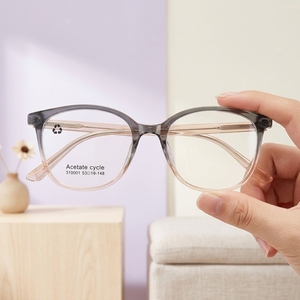
The prescription eyewear ecosystem across Poland—anchored by mature commercial metros including Warsaw (Warszawa), Kraków, Poznań, Tri-City (Gdańsk-Gdynia-Sopot), and Katowice (Upper Silesia)—is undergoing a profound transformation. Polish optical dispensers and retail chains (sieci optyczne) face a bifurcated market: on one side, margin erosion from Luxottica-dominated international brand groups, and on the other, increasing patient sophistication demanding durable, hypoallergenic, high-density cellulose acetate eyewear that justifies private dispensing fee schedules.
In response, independent opticians (niezależne salony optyczne) are actively bypassing conventional pan-European distributors to construct their own private label collections. Sourcing high-precision rectangle acetate optical frames allows Polish eye-care professionals (ECPs) and regional eyewear brokers to achieve up to 65-72% gross margins while delivering structural longevity that meets stringent Polish consumer protection norms and the Medical Device Regulation (EU) 2017/745 (MDR).
Rectangle acetate profiles remain the single most commercial, high-turnover category across the Vistula river basin. Known regionally as classic, architectural shapes, rectangles provide universal facial balancing, structural support for diverse prescription ranges (particularly moderate-to-high spherical and astigmatic corrections), and deep visual alignment with the clean, minimalist aesthetic prevalent across Central and Northern Europe.
Material Science & Tolerances
2. Engineering Cellulose Acetate for Central European Climate Variations
Standard cold-cured or rapid-injection plastics fail prematurely when exposed to the Polish climate, which fluctuates between -15°C continental winter drafts and +32°C summer heatwaves. Elistro Eyewear utilizes premium extruded cellulose acetate derived from purified organic cotton linters and wood pulp flakes, plasticized with specialized eco-esters rather than synthetic phthalates.
Our raw acetate sheets undergo a mandatory 90-day thermal stabilization curing process in temperature-controlled kilns before CNC milling. This slow desolvation cycle eliminates internal residual tension within the polymer matrix. As a result, when Polish lab technicians bevel and hot-air glaze complex astigmatic lenses into our rectangle profiles, the rims exhibit near-zero shrinkage, warping, or axial torsion over years of daily wear.
| Structural Parameter |
Elistro Cured Cellulose Acetate |
Injection Molded Plastics (CP / TR90) |
Cold-Stamped Commercial Plastic |
| Tensile Strength & Elastic Recovery |
High (Retains temple shape & pantoscopic tilt) |
Medium (Requires co-molded metal core) |
Low (Permanent plastic deformation under heat) |
| Glazing Behavior (Cold/Hot Air) |
Optimal between 55°C – 65°C; snap lens fit |
Cannot be safely heated; snap-in risks fracture |
Softens unevenly; bevel grooves deform easily |
| Hand Finishing & Buffing |
Multi-stage drum + organic beeswax hand buffing |
Surface spray coating; peels with sweat contact |
Chemical dip polish; loses luster within 6 months |
| Hinge Mounting Architecture |
Five-barrel / Seven-barrel riveted or wire inserted |
Melted ultrasonic insertion; breaks under lateral drop |
Glued or cold-pressed hinges; prone to loosening |
Ergonomic Calibration for Polish Craniofacial Morphology
Eyewear manufactured solely for Far East or Southern European markets often fails the fit test in Central and Eastern Europe. Polish individuals generally present broader temporal widths, higher bridge crests, and prominent zygomatic arches. Standard narrow-bridge Asian-fit frames cause pinching at the lateral canthus and nose pads.
Our rectangle acetate optical collections engineered for Poland are calibrated with saddle and keyhole bridges ranging from 17mm to 21mm, paired with pantoscopic angles between 8° and 10°. Temples measure standard 145mm with wire cores constructed from nickel-free ductile stainless steel, enabling Polish opticians to execute bespoke cold-temple curving behind the mastoid process in under 60 seconds.
Macroeconomics & Industry Trends
3. Macro Sourcing Trends Across the Polish Eyewear Sector
Independent optical store owners and regional chains in Poland are rethinking their supply pipelines in response to supply chain volatility and changing customer values. The following four pillars dominate B2B procurement strategies in 2024–2026:
Private Label Rise
Polish ECPs are registering proprietary in-house house brands (marki własne) to insulate their businesses against online price matching and gray-market internet discounting.
Eco-Acetate Imperatives
Urban consumers in Warsaw and Wrocław actively request bio-degradable, phthalate-free acetate spectacles verified via international material purity certificates.
Complete Packaging Kits
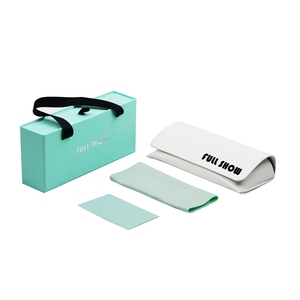
Optical retailers require turnkey presentation sets: debossed folding cases, microfibre cloths, and client warranty cards matching the frame aesthetic without secondary sourcing.
MDR & CE Compliance
Strict Polish Sanitary & Pharmaceutical Inspections demand transparent documentation, batch tracing, and conformity declarations aligned with EU MDR Class I regulations.
Manufacturer Capabilities
4. The Elistro Manufacturing Advantage: Built for Discerning Dealers
With deep artisanal roots and precision manufacturing centers, Elistro Eyewear bridges high-end European design aesthetics with scalable industrial execution. Unlike trading brokers, our manufacturing line integrates all critical stages under ISO-certified cleanroom conditions:
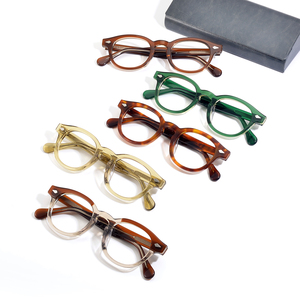
1. Curated Raw Materials: We select only high-density, multi-layer laminated acetate sheets. Our signature tortoiseshell, deep Baltic blues, crystalline ambers, and deep onyx blacks maintain high color saturation that does not fade under salon spotlighting.
2. High-Precision Profile Finishing: Every frame front is cut on multi-axis CNC milling heads, then hand-filed and softened along the temple tips and bridge contour. Over 40 hours of tumbler finishing using natural walnut shells, birch chips, and polishing wax precedes three passes of final manual buffing by master frame artisans.
3. German-Engineered Hardware Integration: Hinges define the lifecycle of a spectacle. We seat five-barrel and seven-barrel hinge clusters into heated acetate pockets, pinned with double rivets or integrated through reinforced internal wire cores to ensure silent, zero-wobble temple articulation.
4. Comprehensive Point-of-Sale Presentation: We ship every frame as a 5-piece counter-ready retail unit: custom branded drawer/rigid box, hard case, microfiber cloth, brand shopping tote, and warranty authenticity documentation, lowering secondary procurement friction for optical buyers.
Procurement & Logistics FAQ
5. Frequently Asked Questions by Polish Optical Sourcing Teams
Addressing core technical, regulatory, and financial considerations for importing optical frames into Poland and the European single market:
What are the minimum order quantities (MOQ) for Polish optical salons?
For ready-to-ship catalog silhouettes with factory branding, our trial order MOQ starts as low as 10 to 50 pieces across mixed SKUs, enabling independent boutiques to test commercial sell-through. For bespoke private-label OEM collections featuring custom laser-engraved temple cores and personalized hot-stamped logos on demo lenses, our MOQ typically begins at 300 pieces per model (split across 2 to 3 curated colorways).
How does Elistro assist with EU MDR 2017/745 and CE compliance for Poland?
Optical spectacle frames are categorized as Class I Medical Devices within the European Union. Elistro Eyewear supplies full documentation packages including CE Declarations of Conformity, ISO 12870 testing reports (spectacle frames testing for dimensional stability, perspiration resistance, optical radiation, and mechanical endurance), and material traceability data required by the Polish Office for Registration of Medicinal Products, Medical Devices and Biocidal Products (URPL).
What are shipping times, customs clearance, and DDP options to Polish cities?
We offer air-express courier shipping (DHL/FedEx/UPS) reaching Warsaw Chopin (WAW), Katowice-Pyrzowice (KTW), or Gdańsk Lech Wałęsa (GDN) within 4 to 7 business days. For container-load or volume air-cargo, we accommodate Delivered Duty Paid (DDP) arrangements via authorized European customs brokers, managing Polish VAT (23%) and import customs documentation directly to your central dispensary warehouse.
Are acetate frames suitable for high-diopter prescriptions commonly dispensed in Poland?
Yes. Our rectangle acetate profiles feature deep bevel rim grooves with robust front thickness ranging from 4.0mm to 6.5mm. This design safely encapsulates the thick lateral edges of high minus (myopic) lenses (up to -8.00D or higher) without unsightly edge protrusion, providing an aesthetically superior finish that boosts patient satisfaction.
Can we request sample sets before committing to a seasonal collection?
We routinely supply curated sample evaluation kits to licensed optometry practices and commercial eyewear distributors throughout Poland. Sample orders are dispatched via tracked courier within 48 to 72 hours, allowing your optometry and laboratory staff to inspect material density, hand finishing, hinge friction, and cold-glazing performance firsthand.