Sourcing Guides
wholesale optical frames acetate optical frames wholesale tortoiseshell acetate frames cellulose acetate spectacle frames hand-finished acetate eyeglasses rectangle acetate optical frames square acetate optical frames titanium optical frames wholesale Global Service Top SearchCompany
About Elistro Dealer Program ContactThe optical retail sector in Spain (encompassing more than 10,200 independent dispensing opticians, regional chains, and purchasing cooperatives such as Cecop, Cione, and Federópticos) demands high-end aesthetic value combined with uncompromising metallurgical and polymers reliability. As retail margins face pressure from conglomerate brand licensing fees, forward-thinking Spanish eyewear brands and distributors are pivoting directly to specialized OEM/ODM acetate optical frames factories. This whitepaper analyzes critical manufacturing standards, localized wearability criteria, and streamlined procurement protocols governing successful frame distribution across Madrid, Barcelona, Valencia, Seville, and Bilbao.
A successful eyewear collection in Spain cannot rely on generic Asian or Anglo-Saxon frame blueprints. The Iberian peninsula features unique facial biometric parameters, specific demographic usage patterns, and intense Mediterranean sunlight exposures requiring deliberate structural accommodations.
Spanish consumers display distinct nasal bridge root dimensions compared to Northern European populations. Standard Anglo-Saxon bridges often cause pinching or downward slippage. Our factory manufactures acetate fronts with custom saddle bridges featuring a 17mm to 20mm keyhole contour and a modified pantoscopic angle of 8°–11°. This ergonomic calibration ensures optimal vertex distance (12mm) for high-index progressive lenses dispensed in Madrid and Barcelona clinics, eliminating prism distortions.
Southern coastal zones—such as Valencia, the Balearic Islands, and the Costa del Sol—experience upwards of 2,800 hours of sunlight annually accompanied by high salinity and humidity. Cheap injected plastics and second-rate acetates warp, yellow, or undergo plasticizer leaching under thermal stress. We use ultra-dense, aged cotton-linter cellulose acetate stabilized with UV-absorbers, bonded to German-made OBE core wires treated with electroplated nickel-free barrier coats that prevent temple galvanic corrosion.
Optical dispensing workshops in Spain rely heavily on automated in-house edgers (such as Essilor Mr Blue, Nidek, and Briot). If an acetate eye-wire is too rigid or irregularly grooved, opticians face bevel chipping and heat fractures during glazing. Our CNC milling centers hold bevel V-groove angles at a precise 110° with a depth tolerance of ±0.04mm, allowing swift cold-insertion of high-minus mineral and polycarbonate lenses without requiring excessive frame warmers.
The Spanish eyewear sector is undergoing structural transformation driven by legislative ESG compliance, demographic aging, and a cultural resurgence of vintage Mediterranean artisanal luxury.
Spanish consumers are strictly monitoring sustainable claims under recent EU consumer protection directives. Sourcing conventional petroleum-based plastics creates legal and reputational vulnerabilities. Our factory leads the transition with certified Bio-Cellulose Acetate (EN ISO 14855 standards), utilizing plant-derived plasticizers that achieve over 84% biodegradability within 180 days while retaining the mechanical polish, dimensional stability, and luster of traditional acetate.
From the Salamanca district in Madrid to the creative avenues of Eixample in Barcelona, 8mm to 10mm chunky acetate profiles have seen a 42% year-over-year surge in optical trade orders. However, heavy frames can cause temple fatigue. We engineer stepped weight-reduction bevels along the interior rim edges: achieving the bold 1970s Iberian aesthetic while reducing overall front mass by 28% for effortless all-day wear.
To avoid competing on price against large multinational e-commerce aggregators, optical associations across Spain are developing private labels. By bypassing European trading houses and commissioning bespoke collections directly from our factory, retail distributors secure gross margins exceeding 68% while delivering unique, locally branded eyewear equipped with our full 5-piece luxury unboxing kits.
Every frame exported to the European Union undergoes our multi-stage precision production cycle, fusing computer-controlled accuracy with traditional hand-finishing.
We source cellulose acetate slabs derived from renewable cotton linters and organic wood pulp. Sheets undergo a thermal stabilization chamber curing process for 90 days to eliminate internal polymer tension, preventing frame warping after prescription lenses are mounted.
Front silhouettes and lens bevel grooves are carved using ultra-high-speed 5-axis CNC router workstations operating within a ±0.03mm mechanical tolerance. This guarantees symmetrical lens holding, zero stress cracking, and consistent aesthetic lines across batch productions.
To produce an organic, deep gloss finish that synthetic chemical lacquers cannot match, our frames undergo a 120-hour sequential tumbling cycle in rotating beechwood barrels filled with organic birch chips, crushed Italian walnut shells, and graded pumice pastes.
We anchor multi-barrel (3-barrel, 5-barrel, and customized 7-barrel) German OBE or Italian Visottica hinges directly into the acetate core using heat-fusion or hydraulic pinning. This prevents hinge detachment during aggressive frame alignment sessions at retail optician benches.
| Manufacturing Parameter | Our Factory (Direct OEM / ODM) | Standard Wholesale Traders | European Licensors (Monopolistic) |
|---|---|---|---|
| Base Polymer Quality | Aged High-Density Cotton Cellulose (1.28 g/cm³) | Recycled Injection Plastic / Unaged Acetate | Standard Acetate |
| Regulatory Documentation | Complete EU MDR 2017/745 Class I + DoC + CE | Incomplete or generic self-declarations | Compliant but restricted licensing |
| Hinge Longevity Cycle | Tested to 25,000+ open-close friction cycles | Less than 8,000 cycles (friction failure) | 15,000–20,000 cycles |
| Landed Spanish Margins | 65% – 75% Gross Margin for Retailer | 35% – 45% (High intermediate markups) | 25% – 35% (Inflated licensing overheads) |
| Packaging Integration | Turnkey 5-Piece Complete Branded Suite | Basic Polybag or mismatched generic boxes | High add-on fees per accessory item |
Key regulatory, logistical, and production answers addressing common considerations of optical chains, independent retail groups, and importing distributors in Spain.
Yes. In the European Union, corrective spectacle frames are classified as Class I Medical Devices under MDR 2017/745. Our manufacturing facilities operate under strict ISO 13485 (Medical Devices Quality Management) and ISO 9001 protocols. We supply full technical documentation, European Declaration of Conformity (DoC), CE conformity labeling on the inner temple, and complete material biocompatibility testing according to EN ISO 12870 (nickel-release, flammability, and perspiration resistance).
We offer flexible shipping arrangements including FOB Shenzhen/Hong Kong, CIF Valencia or Barcelona, and full DDP (Delivered Duty Paid) air freight direct to your central warehouse in Madrid, Barcelona, or regional hubs. Air courier shipments (via DHL/FedEx) typically land within 4–7 business days. Sea freight container consolidations to the Port of Valencia or Port of Barcelona average 26–32 days transit time.
For custom OEM acetate manufacturing involving custom CNC profile cutting and proprietary colorways, our standard MOQ is 300 pieces per model (divided into 3–4 colorways of 75–100 pieces each). For catalog stock models or ready-to-ship styles featuring laser-engraved custom branding on temples, we can accommodate trial retail allocations starting at 100 total pieces.
Yes. We specialize in precision micro-pad printing, hot-foil foil stamping, and laser ablation. Inner temples are clearly printed with your brand trademark, model code, CE mark, UKCA (if required), frame size metrics (e.g., 52□18-145), and color codes formatted according to European standard layout conventions.
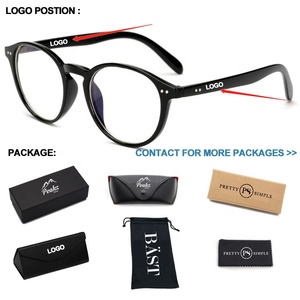
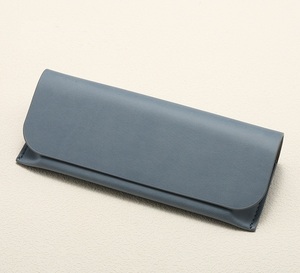
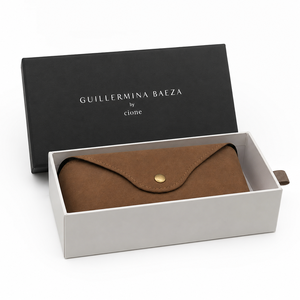
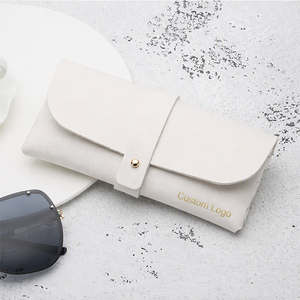
Yes. Frame quality perception is heavily influenced by packaging. We design and manufacture cohesive 5-piece brand packages consisting of a rigid folding magnetic protective case, high-density microfiber cleaning cloth (200+ gsm), custom pull-out drawer box, textured branded carry bag, and numbered warranty card, all engineered to enhance consumer hand-overs in optical boutiques.
Eyeglass frames made of plastics/acetate fall under EU TARIC code 9003.11.00.00 (Frames and mountings for spectacles: Of plastics). Standard third-country EU import customs duty is approximately 2.2% plus standard Spanish IVA (21%). When selecting our DDP service, our logistics partners manage all customs clearances, port dues, and duty disbursements on your behalf, delivering shipments straight to your facility.
Eliminate licensing intermediary surcharges and secure reliable, hand-finished acetate optical frames engineered to strict European standards. Whether you are launching an independent private label in Madrid, refreshing a chain assortment in Catalonia, or procuring protective accessories in bulk, our team provides complete engineering support, physical sample kits, and transparent B2B wholesale pricing within 24 business hours.