Sourcing Guides
wholesale optical frames acetate optical frames wholesale tortoiseshell acetate frames cellulose acetate spectacle frames hand-finished acetate eyeglasses rectangle acetate optical frames square acetate optical frames titanium optical frames wholesale Global Service Top SearchCompany
About Elistro Dealer Program ContactPrecision-molded polycarbonate, ultra-flexible TR90, and anti-blue light presbyopic lenses aligned with Brazilian consumer ergonomics and optical dispensary standards.
The Brazilian optical eyewear segment has undergone a systemic paradigm shift over the past decade. Driven by a rapidly aging population—where the demographic aged 40 and above is projected to surpass 45% of the total population by 2030—the demand for over-the-counter reading glasses and prescriptive presbyopic frames has reached historic highs. For professional eyewear importers, pharmacy network buyers (Redes de Farmácias), and optometry chains (Óticas) operating across São Paulo, Rio de Janeiro, Minas Gerais, and the Southern states, navigating this expansion requires moving past low-cost generic commodities to embrace structurally validated, high-margin eyewear platforms.
Importing optical goods into Brazil entails meticulous navigation of stringent regulatory frameworks. Overseen by the Agência Nacional de Vigilância Sanitária (ANVISA) and the consumer verification guidelines governed by INMETRO, reading glasses imported into the national territory must adhere to technical standards outlined under ABNT NBR ISO 16034 (Ophthalmic Optics - Specifications for single-vision ready-to-wear near-vision spectacles). Deficiencies in optical center deviation (centration error), chromatic aberration, surface prism diopters, or structural hinge fatigue will routinely lead to catastrophic border customs rejections, Siscomex impounds, or immediate market recalls. Our manufacturing infrastructure directly eliminates these regulatory vulnerabilities through strictly auditable manufacturing processes, certified dioptric verification protocols, and export-grade documentation matrices.
How our precision eyewear matches regional consumer behaviors, demographic purchasing power, and multi-tier retail channels across the diverse states of Brazil.
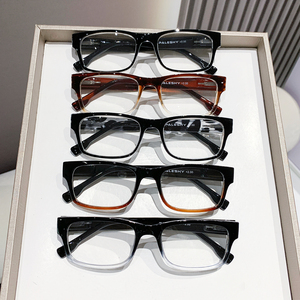
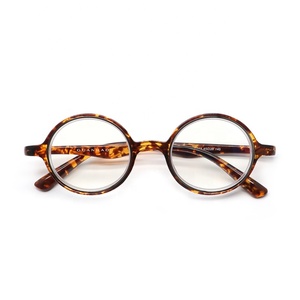
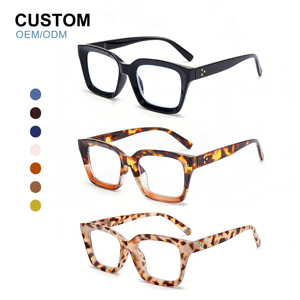
Specialized optical retailers in hubs like Oscar Freire and Barra da Tijuca demand premium tactile feel. Our hand-finished cellulose acetate frames, paired with precision beveling and spring-loaded German hinges, allow independent opticians to offer reading glasses with high perceived value, bridging the gap between bespoke prescriptive luxury and readily accessible optical performance.
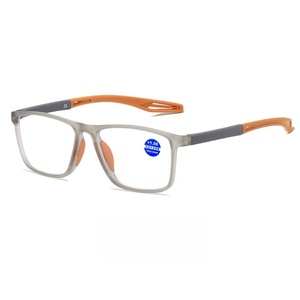
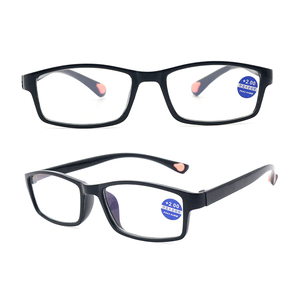
Pharmacy networks such as RaiaDrogasil and DPSP require ultra-compact, blister-packaged, certified anti-blue light readers. With urbanization and hyper-digitization in business centers like Faria Lima, office professionals frequently purchase supplementary reading eyewear to counteract Computer Vision Syndrome (CVS), making +1.00D to +2.50D blue-light blocking glasses top SKU performers.
Distributors supplying the interior markets of Goiás, Paraná, and Bahia prioritize structural durability and temperature resilience. Frames built with high-elasticity Swiss-formulated TR90 and impact-resistant acrylic or polycarbonate lenses withstand high ambient heat and humidity variations, guaranteeing that inventory does not warp during long-distance regional freight hauls across South America.
Forecasting macro-environmental developments, eco-polymer transformations, and omnichannel distribution shifts influencing the 2025–2030 presbyopia market.
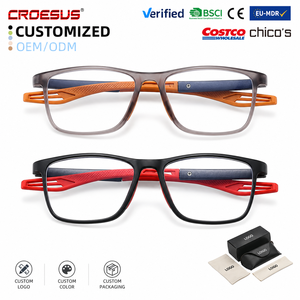
Brazilian consumers are moving beyond static single-vision lenses. Dual-focus and progressive sports eyewear—allowing seamless transition between far-field navigation and reading handheld devices—represent the fastest-growing optical segment. Importers leveraging progressive sports-reading inventory achieve faster stock turnover and substantially higher margins per unit sold.
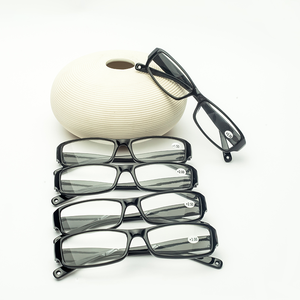
The exponential rise of direct-to-consumer marketplaces like Mercado Livre and Shopee Brasil has catalyzed demand for dropship-ready, multi-pack reader configurations. Modern distributors require standardized sizing specifications (e.g., 53□19-145), comprehensive digital marketing collateral, and verified diopter tolerances that prevent high online return rates.
Environmental consciousness is becoming a decisive selling factor among middle- and upper-income Brazilian consumers. Sourcing biodegradable cellulose acetate, recycled plastics, and lead-free alloy hinge hardware enables enterprise distributors to capture the eco-conscious retail segment, meeting upcoming corporate ESG reporting standards across the Mercosur trading bloc.
Combining time-tested optical craftsmanship, aerospace-grade materials, and end-to-end B2B supply chain infrastructure.
Every frame front is meticulously hand-cut, beveled, and polished through multi-stage tumbling to eliminate surface micro-abrasions, providing premium comfort at delicate temple contact points.
Full-spectrum optical lens testing under automated digital lensmeters confirms zero aberration, precise focal centering, and exact dioptric fidelity from +1.00D up to +4.00D across all batches.
Every unit can be delivered counter-ready with five customized branded pieces: rigid branded case, protective gift packaging, microfiber lens cloth, point-of-sale bag, and warranty registration card.
From custom laser engravings to bespoke pantone-matched acetate laminations and ergonomic nose pads calibrated for diverse facial bridge anatomy, our engineering team handles end-to-end production.
Direct technical answers addressing customs tariff structuring, Anvisa requirements, diopter spreads, and supply terms.