


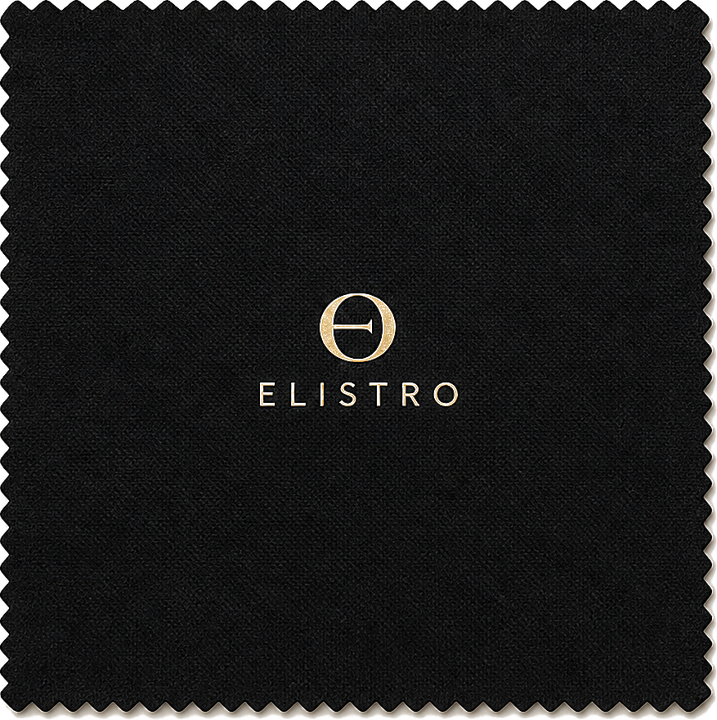
High density microfiber optical cleaning textile texture and premium eyewear presentation
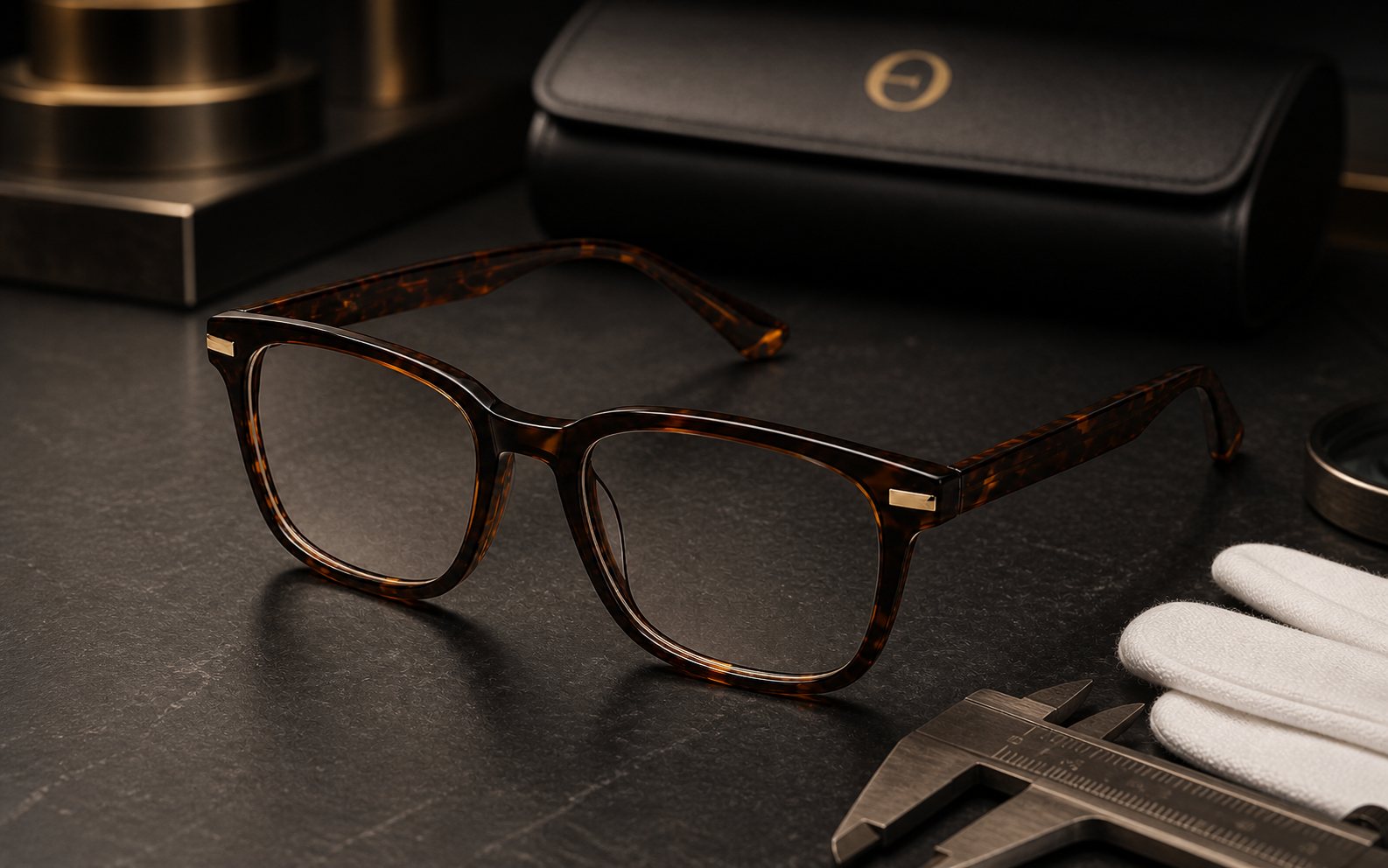
Editorial perspective of precision eyewear requiring zero-scratch microfiber maintenance
Cleanroom quality inspection of optical lenses and microfiber wiping cloths
Optical showroom packaging presentation with microfiber cloths

B2B Optical Sourcing Guide & Technical Analysis

Microfiber Lens Cleaning Cloths Bulk: The Definitive Engineering & Global Procurement Guide

In the modern optical supply chain, optical lenses are engineered with multi-stack anti-reflective (AR), super-hydrophobic, oleophobic, and blue-light filtering nanocoatings that measure mere nanometers in thickness. Consequently, sourcing microfiber lens cleaning cloths bulk is no longer an afterthought or a generic promotional giveaway. For independent optical shops, retail chains, medical clinics, and camera brand distributors, selecting high-spec, lint-free split-yarn microfiber cloths represents a fundamental defense against micro-abrasions, surface hazing, and customer warranty disputes. This comprehensive manual delves into fiber cross-section physics, yarn denier ratings, edge finishing methodologies, OEM branding tolerances, and strategic forward-looking purchasing trends.

Independent Optical Shops Eyewear Retail Chains Ophthalmic Lens Labs Camera & Sensor Distributors AR/VR Hardware OEMs
250
Standard Premium GSM
100%
Split Conjugate Fiber
5
Packaged Pieces Per SKU
0%
Surface Scratches on AR
Precision textile processing and quality inspection bench Laboratory Cleanroom · Production Standard

Textile Engineering

The Science of Split-Yarn Microfiber & Surface Physics.

Standard cotton or low-grade unsplit synthetic cloths merely push oily sebum and skin oils across hydrophobic lens surfaces, redistributing greasy residues rather than capturing them. Optical-grade microfiber manufactured by Elistro is engineered using a bi-component continuous conjugate filament matrix comprising 80% polyester (PET) and 20% polyamide (nylon 6), chemically split into aster-like wedge geometries measuring less than 0.13 denier.

  • 01

    Polyester (PET) Core for Oleophilic Adsorption

    The polyester wedge fibers possess an intrinsic oleophilic surface tension, magnetically attracting facial sebum, fingerprint greases, and atmospheric grease particulates into the internal matrix without requiring chemical cleaning solutions.

  • 02

    Polyamide (Nylon) Core for Capillary Moisture Suction

    The hygroscopic polyamide core structure generates immense capillary pressures, immediately pulling moisture, fog droplets, and cleaning solvents deep away from sensitive anti-reflective lens stacks.

  • 03

    Zero-Particle Retention & Anti-Abrasive Action

    Unlike circular synthetic strands that roll coarse airborne micro-silica particles against fragile ophthalmic coatings, the micro-wedge capillaries draw grit deep within internal interstitial pockets, entirely eliminating scratch risk during counter wiping.

0.1
Denier Fineness
80/20
PET/PA Split Ratio
Class 10k
Cleanroom Packaged

Product Recommendations

Curated Microfiber Cloth Specifications for Bulk Procurement.

Select the appropriate density, dimension, and edge treatment based on your retail packaging tiers, clinical dispensing needs, or precision electronic instrument integration.

Optical Master Cleanroom 250 GSM Microfiber Cleaning Cloth Clinical GradeBest Seller

SKU CL-250-US

Optical Master 250 GSM

Ultrasonic Sealed Edge · 80/20 PET/PA · Lint-Free

Standard: 15×18 cm / 18×18 cm

The benchmark specification for high-index polycarbonate, MR-8, and glass prescription lenses with multi-layer Crizal-style AR coatings. Zero lint shed guaranteed through high-frequency ultrasonic heat fusion.

Get a Quote
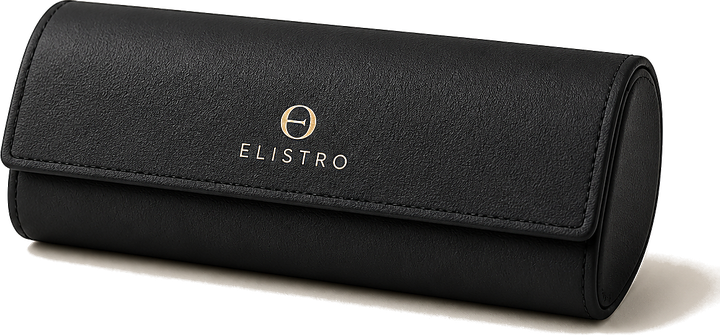
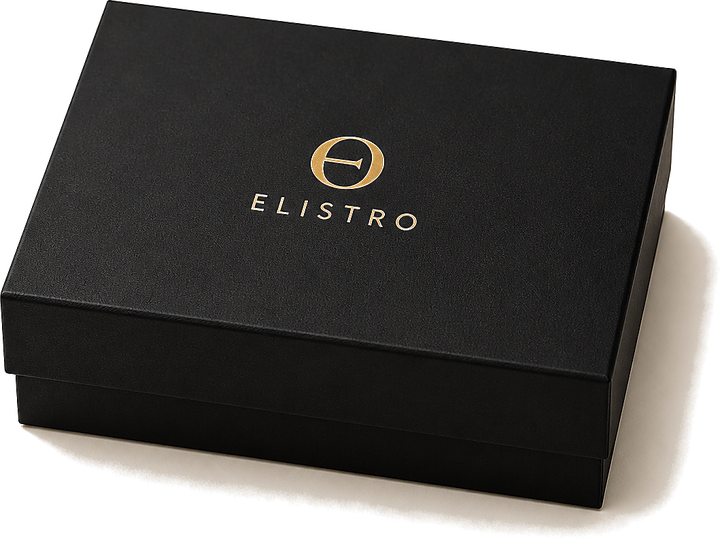
Luxury Suede-Touch Optical Microfiber for Eyewear Cases Luxury Tier

SKU CL-220-SD

Suede-Finish Chamois Weave

Dense Brushed Micro-Fleece · Debossed Branding

Custom: 17.5×14.5 cm / 20×20 cm

Engineered with a dense, non-napped velvety chamois texture tailored for flagship optical retail brands. Pairs exceptionally inside rigid clamshell spectacle cases without creating excess hinge-closing tension.

Get a Quote
Eco-Conscious rPET Recycled Microfiber Lens Cloth Bulk Eco RecycledGRS Certified

SKU CL-200-ECO

rPET Recycled Optical Microfiber

100% Post-Consumer Recycled PET · Water-Based Dyes

Standard: 15×15 cm / Custom Die-Cut

Formulated from certified post-consumer recycled plastic bottles without compromising fiber splitting or tensile softness. Meets strict European REACH and US EPA environmental procurement guidelines.

Get a Quote
Precision Antistatic Camera and VR Optical Microfiber Cloth Sensor SafeCarbon Woven

SKU CL-280-ESD

Antistatic ESD Cleanroom Cloth

Conductive Micro-Grid · Laser Cut · Heavyweight

Oversized: 20×20 cm / 30×30 cm

Incorporates microscopic dissipative threads to discharge electrostatic surface voltage during rubbing. Prevents airborne dust re-attraction on DSLR glass optics, telescope elements, and high-resolution VR pancake lenses.

Get a Quote

All bulk microfiber cleaning cloth orders are custom-producible with Pantone matching, individual recyclable OPP envelopes, biodegradable kraft sleeves, or presentation boxed sets.

Get a Quote
Microfiber textile weave macro visualization in dark studio lighting
Optical Microfiber Production Ultrasonic Cut · Thermal Splitting · Zero Shed Global Direct Export

Industry Forecasting & Innovation

Global trade data, environmental directives, and evolving optical device coatings are transforming bulk microfiber procurement. Sourcing directors must anticipate these key shifts to preserve margins and fulfill compliance mandates.

Sustainable and circular rPET microfiber textile production

1. The Non-Negotiable Transition to rPET & Circularity

Global Recycled Standard (GRS) Compliance

With the European Union tightening Corporate Sustainability Due Diligence and packaging waste directives, leading retail eyewear conglomerates are mandating 100% post-consumer rPET microfiber. Future wholesale contracts explicitly require verified chain-of-custody certificates (GRS 4.0) ensuring plastic bottles are diverted from oceans into yarn extrusion without sacrificing split-filament tensile strength.

Antiviral and anti-fog infused active microfiber textiles

2. Nanotechnology & Anti-Fog Impregnation

Active Surface Functionalization

Standard passive cloths wipe moisture; advanced next-generation cloths incorporate dry nanostructured anti-fog polymers that deposit an invisible monomolecular hydrophilic surfactant barrier with each wipe. This prevents water micro-droplet condensation for up to 48 hours, making functionalized cloths an ultra-high margin retail add-on for cold-weather workwear, surgical loupes, and sportswear.

Smart device and mixed reality headset optical microfiber wiping demand

3. Specialized Optics for Mixed Reality (AR/VR)

Waveguide & Resin Lens Sensitivity

The exponential proliferation of smart glasses, spatial computers, and VR pancake optics is reshaping B2B cloth orders. Resin lenses and holographic optical elements are highly vulnerable to micro-scratching. Procurement volumes are rapidly shifting toward ultra-dense 280+ GSM double-sided velvet microfibers equipped with anti-static carbon filaments that safely discharge electrostatic fields on sensitive display engines.

Strategic Sourcing Insights

Key Shifts in Global Optical Purchasing Channels.

Nearshore & Direct Sourcing

Decentralized Supply Networks

Plastic-Free Packaging

Zero-OPP Compostable Glassine

Integrated Full Kits

Case + Cloth + Fluid Synergy

Total Auditability

Oeko-Tex Standard 100 Class I

Hyper-Personalization

Micro-Run Laser Cut Branding

JIT Inventory Buffer

Regional Warehousing Supply

Integrated Retail Presentation

The Complete Optical Presentation: Every Detail Considered.

Top-performing optometry clinics understand that dispensing frames in luxury cases alongside a matching high-density microfiber cleaning cloth increases perceived product value and protects customer vision investments.

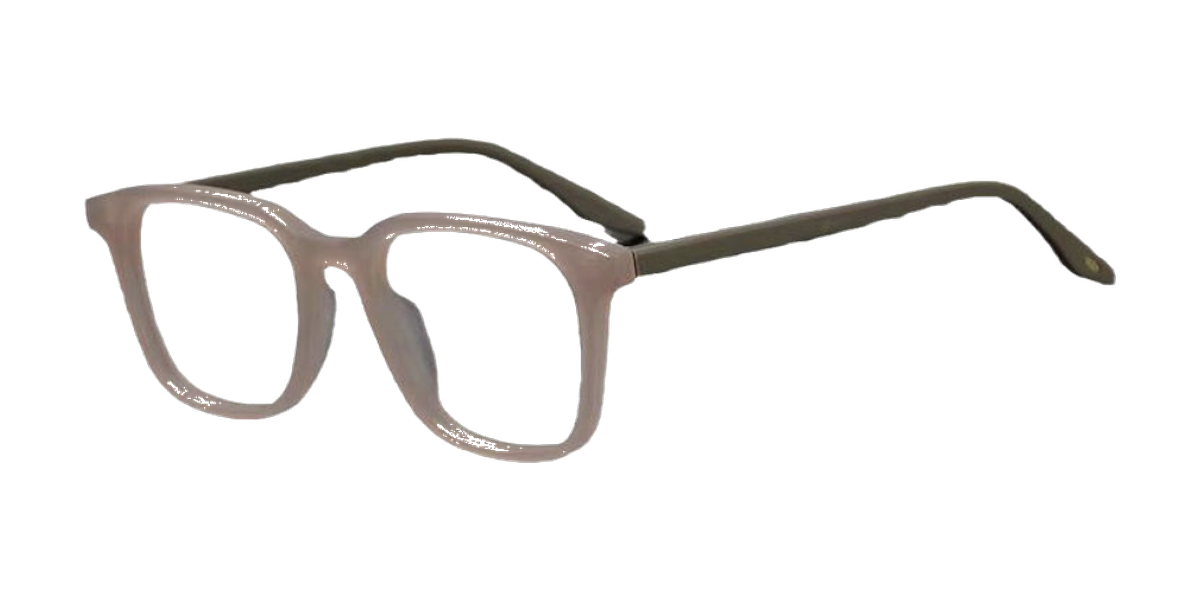
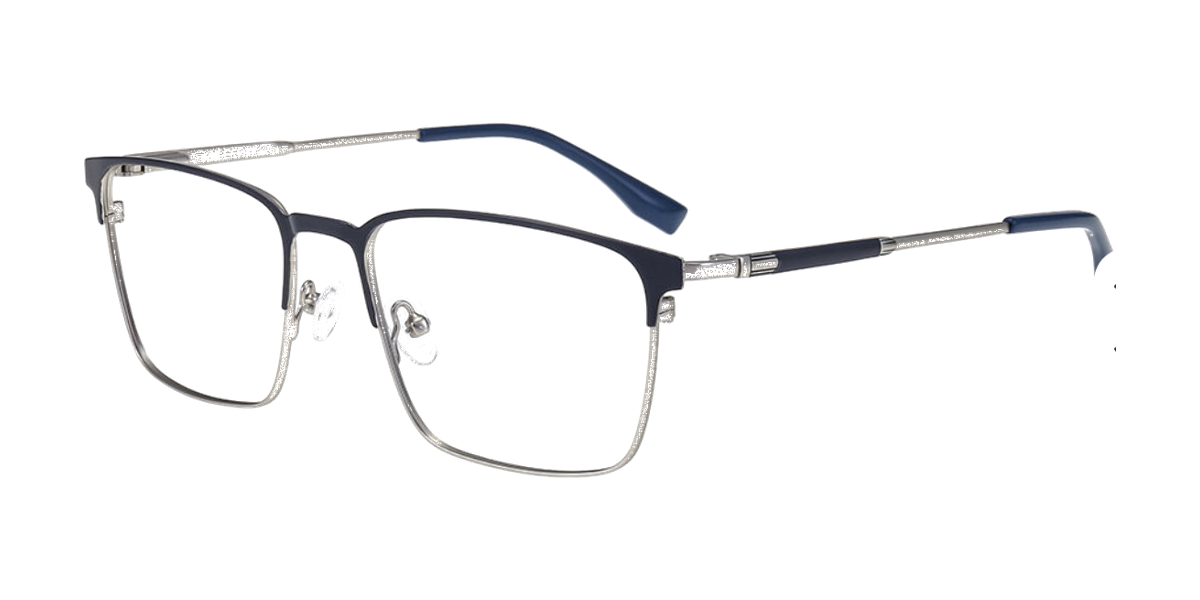
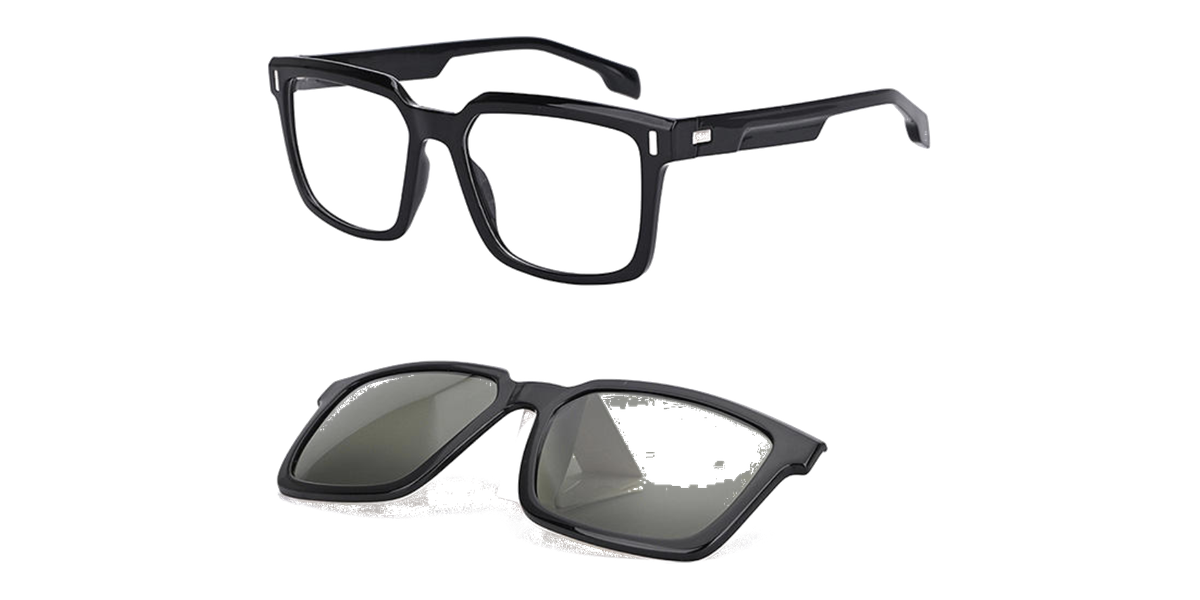
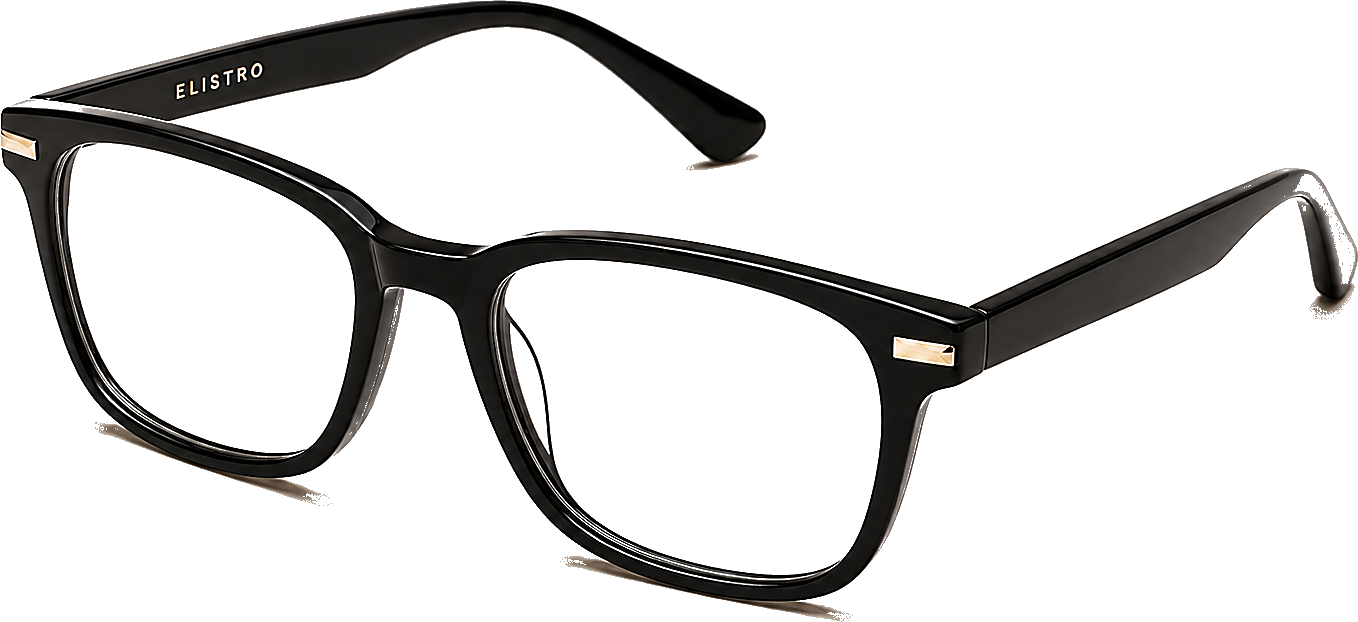
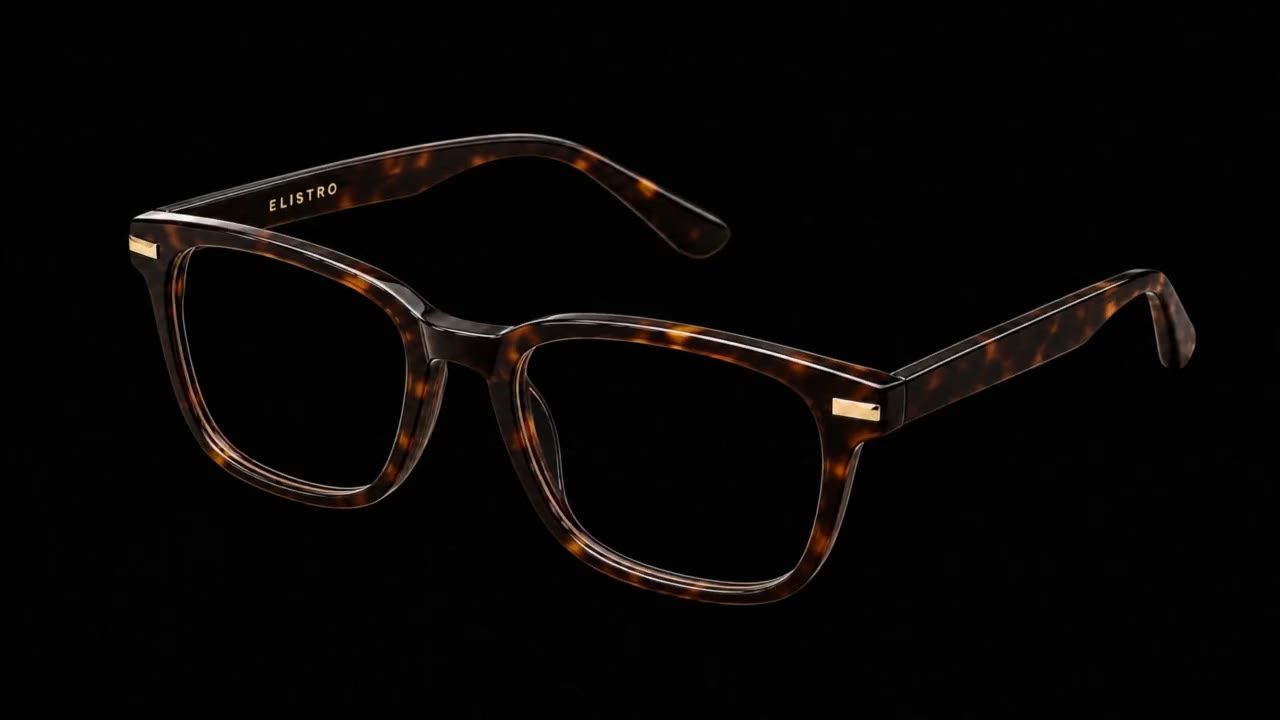
Elistro hand finished frame and accessory pairing
Branded retail shopping bag
Branded Retail Bag
Hardcover luxury optical gift box
Rigid Gift Box
Rigid optical protective clamshell frame case
Protective Clamshell
Optical-grade microfiber lens cleaning cloth
Microfiber Cloth
Certificate of warranty and authenticity card
Authenticity Card
5-in-1
Complete Packaging Kit
±0.05g
Weave Weight Tolerance
500+
Wash Cycle Lifespan

Engineering Specifications

How to Evaluate & Specify Microfiber Quality.

Avoid substandard unsplit industrial rags. Use our quantitative quality matrix to verify yarn composition, edge finishing, and printing compatibility before signing container-level contracts.

Yarn Architecture & Density

250GSM · 80/20

Filament Fineness

Under 0.13 Denier per filament (DPF). Finer than genuine silk, guaranteeing non-abrasive contact with fragile magnesium fluoride AR coatings.

Warp / Weft Warp-Knit

High-gauge tricot or circular knitting ensures zero fiber slippage during mechanical cross-directional wiping friction.

Ultrasonic Cut Edge

High-frequency sonic energy simultaneously cuts and fuses edge boundaries, preventing raw fiber drop-off and particulate shedding.

Critical Procurement Advice: Always perform the "Spill Capillarity Test". Premium split microfiber absorbs a water drop within 1.5 seconds via capillary pull; unsplit polyester causes water to bead up indefinitely.

Edge Finishing & Branding Method Comparison
Processing Method Ultrasonic / Laser Cut Overlock Zigzag Stitch
Lint & Debris Shedding Zero (Fused thermo-plastic perimeter) Moderate (Thread wear over repeated wash cycles)
Optical Scratch Risk Absolute Zero (Flat smooth edge) Low-Medium (Hard nylon edge threads may abrade)
Case Compactness Flattest profile; occupies minimal case volume Bulky edge borders increase folded thickness
Recommended Branding Debossing, Digital Dye Sublimation Silk Screen, Metallic Foil Stamp
Optimum Usage Tier Precision Medical Optics, Flagship Retail Eyewear High-Volume Giveaway, Budget Promotions
01

Audit the Split Ratio

Insist on an 80/20 PET/PA ratio. Bargain manufacturers cut costs using 100% unsplit polyester or 90/10 blends, resulting in stubborn oil smearing and zero capillary absorption on premium lenses.

02

Dye Sublimation vs. Surface Rubber Printing

For custom branded cloths, choose dye-sublimation over thick rubberized inks. Heavy surface pigments solidify over the textile pore spaces, creating abrasive zones that scratch AR coatings.

03

Specify Pre-Washed & Cleanroom Packaged

Fabric rolls accumulate airborne spinning lint during factory shearing. Ensure your bulk vendor washes, vacuums, and sonic-cuts cloths inside dust-free cleanrooms before individual packaging.

Enterprise Advantage

Why Global Optical Enterprises Partner with Elistro.

Optical-Grade Purity & Safety

Every batch conforms to ISO 9001 cleanroom packaging standards and OEKO-TEX Standard 100 Class I, guaranteeing zero harmful plasticizers, silicone oils, or toxic dyes that could compromise lens coatings or irritate sensitive eyes.

End-to-End Eyewear Integration

We are not merely a textile broker; Elistro manufactures premium hand-finished acetate and titanium optical frames. We understand the physical tolerances of eyewear packaging, ensuring cloths fold seamlessly into cases without straining frame hinges.

Precision OEM & Private Labeling

From Pantone color textile dyeing and ultra-sharp 1200 DPI dye sublimation to understated blind debossing, our modern in-house finishing lines reproduce high-precision luxury logos down to 0.2mm detail.

Scale, Direct Pricing & Reliable Supply

With massive daily weaving output and direct worldwide export logistics, we deliver transparent tier-based B2B factory pricing, eliminating middleman distributor markups while securing reliable shipping windows.

  1. Step 01

    Specification Formulation

    Consult with our engineers on your optimal GSM, dimensions, fabric weave, edge cuts, and packaging formats.

  2. Step 02

    Rapid Pre-Press Prototyping

    Receive physical pre-production sample swatches and branded mock-ups within 5 business days for rigorous AR lens friction testing.

  3. Step 03

    Cleanroom Bulk Manufacturing

    Automated ultrasonic cutting, ultrasonic washing, lint-extraction de-ionizing, and packaging in controlled cleanroom conditions.

  4. Step 04

    Worldwide Direct Logistics

    Complete customs clearance documentation, DDP air courier delivery, or sea container freight with full live tracking.

Procurement Knowledge Base

Frequently Asked Questions on Bulk Microfiber Sourcing.

Critical technical answers frequently submitted to our engineering department by B2B optical buyers, chain purchasing officers, and lab operators.

What is the optimal GSM for microfiber lens cleaning cloths bought in bulk?

For high-index prescription optical lenses, sunglasses, and camera optics, 200 to 250 GSM represents the industry gold standard. It provides balanced pile depth for trapping oleophilic sebum and grit without excessive bulk when packing into optical clam-shell cases. For luxury presentation sets or oversized camera cloths, 280 to 300 GSM delivers exceptional heft and tactile luxury.

Why are split microfibers mandatory over standard polyester weaves?

Split microfibers undergo a chemical and thermal splitting treatment that turns single filaments into microscopic wedge-shaped channels (under 0.13 denier). Unsplit fibers simply smear skin oils across hydrophobic AR lens coatings, whereas split microfibers capillary-trap oils and particulate matter instantly without scratching delicate optical coatings.

Which edge finish prevents fraying while remaining zero-scratch on coated lenses?

Ultrasonic cut (straight or wave) and laser cut edges are superior for premium optics because they thermally seal the thermoplastic filaments with zero abrasive thread seams, avoiding surface scratching and fiber drop-off during cleaning. Traditional overlock sewing creates bulky, stiff perimeter borders that can gather airborne grit and increase folded thickness inside slim eyewear cases.

Can bulk microfiber cloths be custom branded with full-color photographic art?

Yes. Sublimation heat transfer printing embeds dye molecules directly into the core polyester fibers at 200°C without depositing surface resin, maintaining total fabric softness and absorbency. For minimalist luxury branding, blind debossing or precision silicone silkscreen is recommended to maintain the softest possible hand-feel across the active wiping face.

What is the Minimum Order Quantity (MOQ) and production turnaround for bulk custom orders?

Standard production MOQs start at 1,000 to 3,000 units for standard stock fabric dimensions with single-color printing, and 5,000 to 10,000 units for custom-dyed Pantone textiles or bespoke recycled rPET fabric weaves. Production lead times average 12-18 business days after pre-press sample sign-off, backed by expedited air or sea freight options.

How many commercial washing cycles can high-spec microfiber endure before degrading?

High-grade 80/20 split microfiber retains over 95% of its capillary trapping efficiency and structural integrity across 300 to 500 wash cycles when washed in lukewarm water with mild liquid detergent and line dried without fabric softeners. Cheap unsplit alternatives lose tensile stability and fray after as few as 10 to 15 standard domestic wash cycles.

What eco-friendly packaging alternatives exist to replace individual OPP plastic sleeves?

We supply custom-printed translucent glassine paper envelopes, cornstarch-derived certified PLA compostable bags, recycled kraft paper wrap sleeves, and direct bulk packing (100 units per master bag) to drastically reduce single-use plastic waste across retail distribution networks.

Enterprise Inquiries & Bulk Factory Pricing

Upgrade Your Optical Cloth Quality Direct from the Factory.

Protect your lenses, strengthen your optical brand image, and capture substantial cost savings with our factory-direct bulk supply chain. Speak with an optical specialist or request tailored sample swatches now.