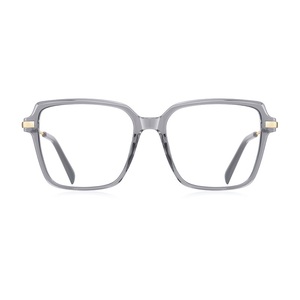
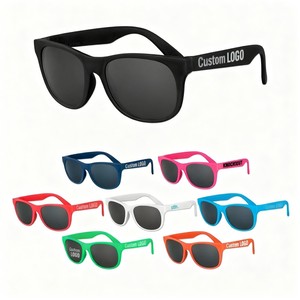
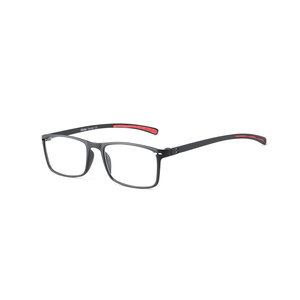
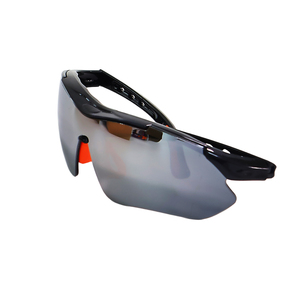
Engineering Authority: The Molecular Supremacy of Swiss Grilamid TR90 in Modern Eyewear Manufacturing
In high-performance commercial eyewear sourcing, TR90 (derived from transparent polyamide 12, primarily commercialized under the Grilamid EMS brand) represents the pinnacle of thermoplastic optical memory polymers. Unlike legacy cellulose acetate, standard injection polycarbonates, or basic propionate plastics, TR90 is an amorphous thermoplastic macromolecule characterized by exceptionally high flexural fatigue resistance, superior chemical inertness, and an inherently low specific gravity of approximately 1.14 g/cm³ to 1.15 g/cm³.
For international optical brands, pharmacy dispensary chains, and sports optics importers, selecting an authentic Chinese TR90 manufacturing exporter is fundamentally an engineering-driven risk management decision. Secondary-grade recycled polyamides often masquerade as Grade-A virgin TR90, introducing catastrophic risks of environmental stress cracking (ESC) when exposed to facial sebum, cosmetic alcohol, or elevated display temperatures. Our manufacturing infrastructure utilizes virgin-grade raw polymer granules from verified European and Japanese chemical sources, dried to rigorous moisture thresholds (below 0.08%) before runnerless high-pressure injection molding.
Empirical Material Benchmark: TR90 vs. Traditional Eyewear Substrates
To assist professional procurement managers in rationalizing their optical frame portfolio, the engineering data below delineates the physical properties across commercial eyewear materials under standardized testing conditions (ISO 12870 & ASTM D790 standards):
| Physical Property |
Virgin Grilamid TR90 |
Cellulose Acetate (CA) |
Optical Polycarbonate (PC) |
Titanium Alloy (Ti-6Al-4V) |
| Specific Gravity (Density) |
1.14 – 1.15 g/cm³ |
1.28 – 1.32 g/cm³ |
1.20 – 1.22 g/cm³ |
4.43 – 4.50 g/cm³ |
| Flexural Modulus (Rigidity vs. Memory) |
1,600 – 1,800 MPa (High Memory) |
2,200 – 2,400 MPa (Brittle Plastic) |
2,300 MPa (Rigid / Cracks easily) |
110,000 MPa (Structural Metal) |
| Thermal Distortion Threshold |
> 135°C (Maintains Shape) |
~ 65°C – 75°C (Warps under sun) |
~ 120°C |
> 450°C |
| Chemical & Sebum Resistance |
Exceptional (Hydrophobic) |
Moderate (Whitens over time) |
Poor (Vulnerable to solvents) |
Complete Immunity |
| Biocompatibility / Dermatological |
ISO 10993 Certified Hypoallergenic |
Requires Plasticizers (DEP risks) |
Contains Residual BPA Traces |
Complete Biocompatibility |
| Finished Glazing Cycle Speed |
Cold Glazing / Controlled Warmth |
Warm Frame Heater Required |
Snap-in (Stress fracture prone) |
Rim-lock Screw Tightening |
Future Procurement Trends: Strategic Sourcing Forecast for Global Importers (2025–2030)
Global eyewear retail channels are undergoing a structural shift driven by digital health integration, active lifestyle proliferation, and carbon reduction mandates. B2B procurement professionals must align their supply chains with four decisive market evolutions:
1. Smart Eyewear Chassis & Micro-Precision Co-Molding
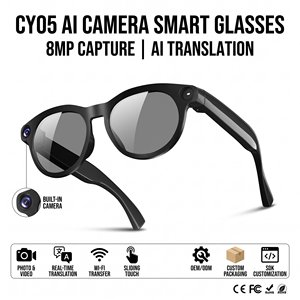
As smart glasses transition from niche novelty to mainstream daily wear, TR90 has emerged as the universal chassis substrate for wearable electronics. Housing micro-cameras, open-ear acoustic transducers, multi-axis IMU sensors, and lithium-polymer batteries requires internal cavity dimensional tolerances within ±0.03mm. Our precision multi-cavity injection molds integrate internal thermal dissipation channels and EMI shielding barriers directly within TR90 temple designs, as exemplified in our 8MP Real-Time Translation Smart Frames.
2. Bio-Based Polyamides and Closed-Loop Circular Polymers
With corporate buyers facing European Union Corporate Sustainability Due Diligence Directives (CSDDD), virgin bio-based TR90 derivatives formulated from renewable castor oil precursors (Sebacic acid derivatives) are seeing a 42% year-over-year surge in European purchase orders. These bio-polyamides deliver identical 1.15 g/cm³ weight profiles and mechanical memory while reducing cradle-to-gate carbon emissions by up to 50% compared to fossil fuel feedstocks.
3. Hybrid Architectural Metallurgy (TR90-Stainless Steel / Beta-Titanium Hybrids)
Consumer demand has pivoted away from bulky mono-plastic spectacles toward ultra-thin, architecturally elevated silhouettes. The commercial sweet spot lies in dual-material integration: utilizing Grilamid TR90 for the skin-contact nasal bridges and ocular front rims, joined via high-torsion sonic anchoring to Japanese Beta-Titanium or surgical-grade 304 stainless steel temples. This ensures zero weight fatigue on the bridge while offering micro-adjustable mechanical temple tips for dispensing opticians.
4. Stricter Global Regulatory & Impact Compliance Enforcements
Customs and regulatory oversight in destination markets have reached historic stringency levels. TR90 eyewear shipments entering the United States are subject to mandatory FDA 21 CFR 801.410 drop-ball impact compliance testing. Similarly, European entry demands MDR (EU) 2017/745 Class I registration alongside EN ISO 12870 biocompatibility verification. Exporters without automated, batch-traceable raw material testing certificates risk immediate container seizures and severe commercial liability.
Enterprise Core Competency: Why Global Optical Chains Rely on Our China Manufacturing Infrastructure
Originating from decades of high-grade optical craftsmanship, our factory facilities unify European industrial engineering standards with the agile scale of China’s premier eyewear manufacturing cluster:
- Zero-Defect Tooling Tolerances: We operate high-speed CNC mold milling centers (Makino & Fanuc) capable of tooling runnerless, high-polish hardened steel molds (HRC 52-54), guaranteeing mirror surface finishes without flow marks or micro-bubbles.
- Robotic Automated Spraying & Vacuum Ion Plating: To solve the historical challenge of pigment peeling on inert TR90 surfaces, our facilities employ robotic five-axis electrostatic priming followed by dual-cured automotive-grade polyurethane (PU) soft-touch and anti-scratch clear coats.
- Comprehensive Turnkey Packaging Integration: Reflected in our specialized retailer program, each pair of spectacles is fulfilled with complete point-of-sale assets: high-density branded microfiber cloths, rigid magnetic folding cases, protective presentation boxes, and verified UV-blocking authenticity cards, eliminating multi-vendor coordination costs for your procurement team.
- Optical Cold-Glazing Precision: Frame bevel grooves are cut at an exact 115-degree V-angle with continuous laser-guided depth verification. This ensures lenses snap into place under room-temperature glazing without frame stretching, reducing optician bench-time by 35%.