Sourcing Guides
wholesale optical frames acetate optical frames wholesale tortoiseshell acetate frames cellulose acetate spectacle frames hand-finished acetate eyeglasses rectangle acetate optical frames square acetate optical frames titanium optical frames wholesale Global Service Top SearchCompany
About Elistro Dealer Program ContactOur high-density split microfiber cloths are purpose-built to maintain premium lens coatings, smart optics, AR/VR camera modules, and hand-finished eyewear frames. Explore our featured product line and complete retail hardware solutions.
Understanding the microscopic physical properties of split conjugated filament yarn. Why standard promotional polyester cloths ruin multi-layer anti-reflective (AR) and hydrophobic vacuum coatings, while our 80/20 conjugated optical microfibers preserve optical clarity indefinitely.
Standard synthetic textiles feature circular extruded filaments that push debris and lipophilic oils across surfaces, creating micro-scratches. Our OEM microfibers utilize an 80% polyester (PET) core split with 20% polyamide (nylon) wedge channels. Chemical caustic splitting divides each monofilament into 16 triangular sub-micro-wedges below 0.13 decitex.
The triangular interstitial micro-voids generate intense capillary force. When sweeping an eyeglass lens, camera objective, or AR/VR eyepiece, lipids and dust particles are physically captured inside microscopic interstitial channels via molecular Van der Waals force, eliminating the need for alcohol or volatile cleaning surfactants.
Mechanical knife cuts cause fiber shedding at the borders. Our manufacturing processes deploy high-frequency 40kHz ultrasonic edge slitting that instantly seals cut filament ends into an impervious molten bead. Post-cut textiles undergo reverse ultra-pure water (UPW) laundering to guarantee Class 100 particle-free packaging.
Select the optimal fabric weight, filament construction, and surface finish for your brand's optical specifications.
| Textile Grade | Fabric Weight (GSM) | Filament Architecture | Edge Finishing Method | Primary Optical Application | Printing & Customization |
|---|---|---|---|---|---|
| Silky Standard Promo | 160 – 180 GSM | 100% Micro-PET / Circular | Zig-zag Pinked / Straight Cut | Commercial giveaway, entry optical frames | 1-Color Silkscreen, Heat Transfer |
| Boutique Double-Sided Micro-Weave | 200 – 220 GSM | 80/20 PET/PA Conjugated Split | Ultrasonic Wave Cut / Half-Moon | Luxury Acetate & Titanium Eyewear | Digital Reactive Dye Sublimation, Debossing |
| Ultra-Plush High-Density Suede | 240 – 260 GSM | 70/30 Split Matrix / Brushed Nap | High-Temp Laser Cut / Sealed Edge | Multi-coated AR Lenses, Camera Objectives | Hot Stamping, Micro-Silicone Grip Print |
| Cleanroom Class 100 Certified | 280 – 320 GSM | Continuous Filament Double-Knit | Ultrasonic Fusion / Hemmed Border | Smart Eyewear Sensors, AR/VR Micro-OLEDs | Colorfast Vacuum Sublimation, Cleanroom Poly |
How ESG mandates, smart eyewear sensor miniaturization, and consumer expectations are transforming microfiber manufacturing specifications across North America, Europe, and Asia-Pacific.
Under impending EU CSRD and US state-level sustainability disclosures, global eyewear brands are deprecating virgin petro-chemical textiles. Procurement is shifting rapidly toward GRS-certified (Global Recycled Standard) post-consumer rPET yarns sourced from recycled ocean bottles. Our plant has completed full closed-loop tracing, achieving equivalent 0.12 dtex fineness with an 85% reduced lifecycle carbon footprint.
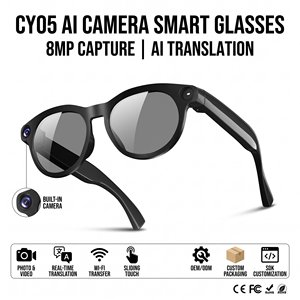
With the surge of AI-powered camera glasses (such as our showcased 8MP camera smart eyewear) and mixed-reality spatial headsets, traditional cloths no longer suffice. Microfiber cloths must be certified anti-static (carbon-infused filament grids) to prevent electrostatic discharge (ESD) from damaging CMOS sensor glass, LiDAR windows, and high-refraction waveguide prisms.
Long-term procurement contracts are embracing multi-functional textiles. Our proprietary molecular encapsulation embeds non-ionic, hydrophilic organosilane surfactants deep into the split polyamide pockets. When wiped over cold prescription lenses or sports shields, it creates a persistent 24-hour ultra-thin monomolecular moisture barrier that prevents surface condensation and steam fogging.
From raw yarn circular knitting and chemical splitting to high-speed digital dye sublimation and automated sterile pouching, we control the entire vertical supply chain.
No third-party fabric outsourcing. We operate high-precision German circular knitting looms and continuous tension-controlled dyeing ranges, guaranteeing batch-to-batch color stability within Delta E < 0.8.
Industrial-scale reactive sublimation presses transfer complex photographic patterns, gradients, and brand identities with 1440 DPI resolution without altering the ultra-soft fiber tactile hand-feel.
High-speed automated ultrasonic cut beds produce straight, scalloped, zig-zag, or custom contoured edges with complete edge fusion, followed by high-pressure de-ionized air baths to remove rogue particles.
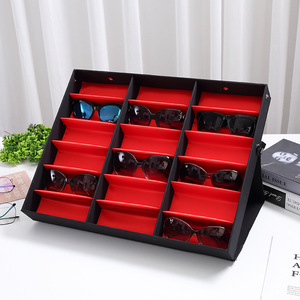
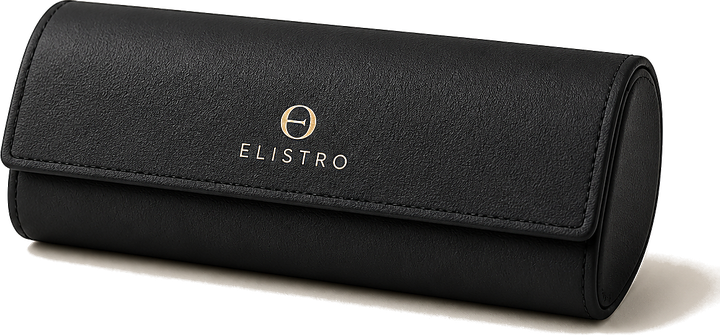
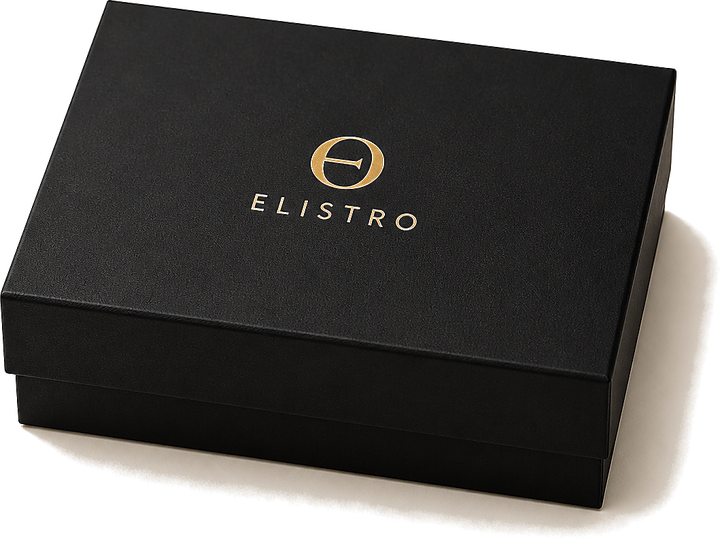
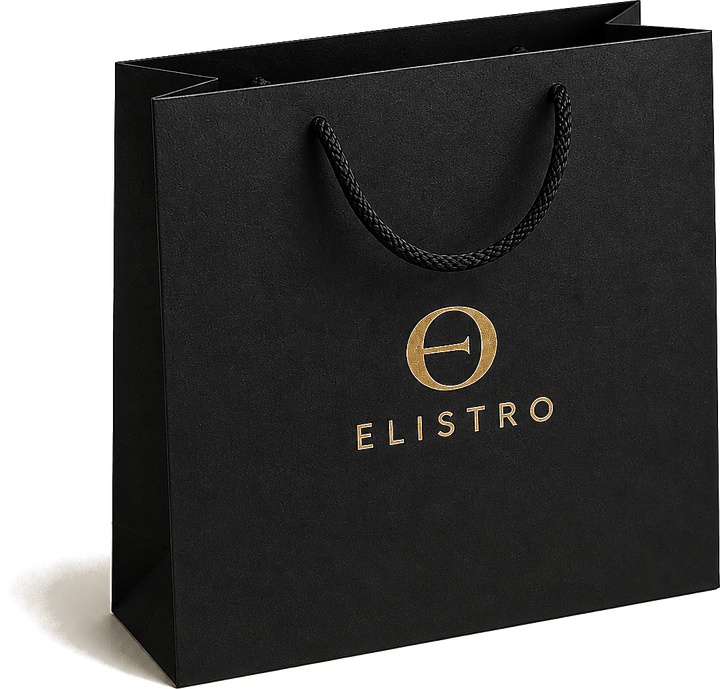
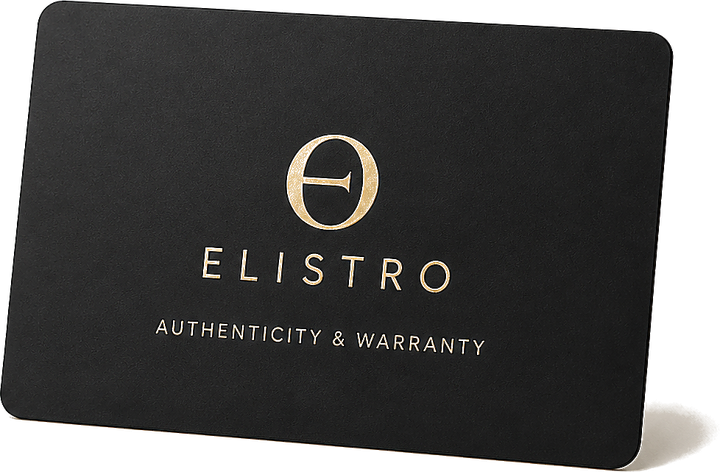
We supply more than cloths: we manufacture complete retail presentation sets—rigid cases, branded shopping bags, collector cases, and warranty cards—reducing your vendor management overhead.
Elevate your brand counter experience. Every custom eyewear order can be paired with our integrated five-piece unboxing suite manufactured in our companion packaging facility.
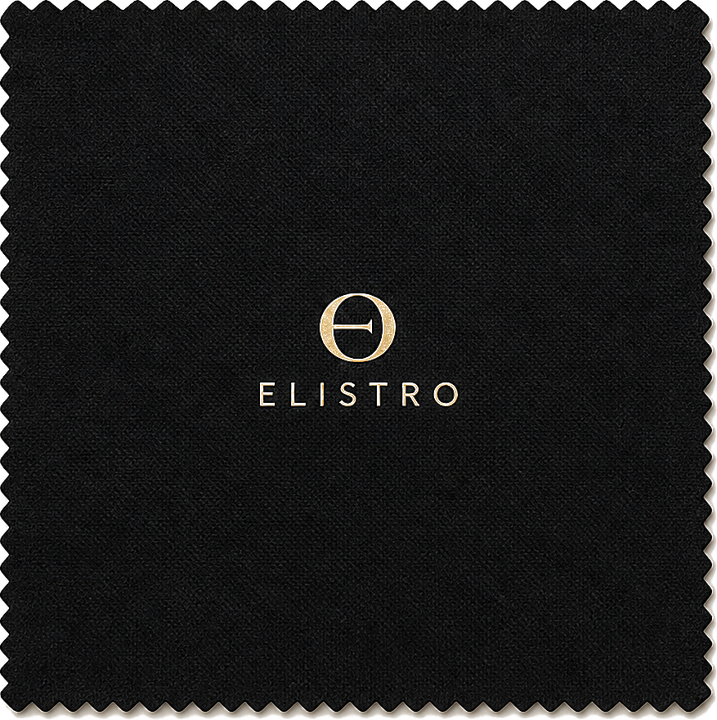
230 GSM custom debossed or dye-sublimated split microfiber with ultrasonic perimeter seal.
Hand-wrapped textured PU or genuine leather frame cases with crush-resistant internal steel core.
Rigid greyboard gift boxes with hot-stamped foil logos and soft-touch anti-scratch lamination.
High-tensile kraft or art paper retail bags with reinforced grosgrain ribbon handles.
Metallic foil printed certificate of authenticity cards and lens care instructional leaflets.
Essential technical guidelines, minimum order quantities (MOQs), edge profiles, laboratory test standards, and lead times for optical purchasing directors and supply chain managers.
For retail boutique dispensing, 210 to 240 GSM in an 80/20 polyester/polyamide blend provides the optimal tactile hand-feel and wiping efficacy. Lighter textiles (160–180 GSM) are primarily suited for budget promotional mailers, whereas heavy plush textiles (280+ GSM) are favored for large optical instruments, cameras, and spatial headsets.
Conventional laser cutting melts edges at excessive temperatures, creating rigid, abrasive bead burrs that can score anti-reflective (AR) lens coatings. Cold knife cutting leaves raw unsealed filaments that shed lint. 40kHz ultrasonic wave cutting utilizes mechanical vibration to induce localized molecular melting, forming a completely flat, ultra-supple sealed perimeter that never sheds or scratches.
No. Unlike cheap screen-printing with plastisol inks that form a rubbery film over fabric pores, our industrial digital sublimation uses water-based disperse dye inks converted to gas under vacuum heat. The dye molecularly fuses inside the split polyester fibers without clogging interstitial capillary pores, retaining 100% of the textile's original softness and absorption capacity.
Standard inventory solid colors (Black, Navy, Charcoal, Optic White) with custom single-color debossed logos or 1-color silk prints start at 1,000 units. Full-bleed bespoke CMYK dye-sublimated custom cloths have an MOQ of 3,000 units. For custom Pantone-matched yarn dyeing from scratch, the minimum batch is 10,000 units.
Yes. Our fabrics undergo rigorous ISO 105 abrasion and Taber testing. Because our microfibers rely on Van der Waals adhesion across triangular capillary wedges rather than abrasive scouring, they clean finger lipids, sweat, and micro-dust without stripping delicate fluoropolymer coatings, vacuum-deposited AR stacks, or polarized film layers.
We provide turn-key retail packaging: individual OPP/CPP resealable sleeves, biodegradable cornstarch polybags, matte embossed paper envelopes, PVC soft travel pouches, individual travel vinyl pouches, or integrated insertion directly into your custom rigid eyeglass boxes and frame cases during factory assembly.
Yes. We are certified under GRS 4.0. We can provide full Chain of Custody (Transaction Certificates) verifying that 100% of the polyester yarn is derived from post-consumer recycled PET flakes, enabling our retail clients to legitimately print eco-friendly and climate-pledge claims directly on their custom retail packaging.
Custom digital proofs and color-calibrated physical pre-production strike-offs are dispatched within 3 to 5 business days. Bulk production for standard volume orders (5,000 to 50,000 units) requires 14 to 18 business days following sample sign-off. Expedited air-freight and direct DDP delivery options are available globally.
Connect directly with our senior textile engineers and eyewear packaging specialists. We provide instant digital mock-ups, complimentary sample swatch packs across all GSM grades, and transparent factory-direct tiered pricing for global distributors.